
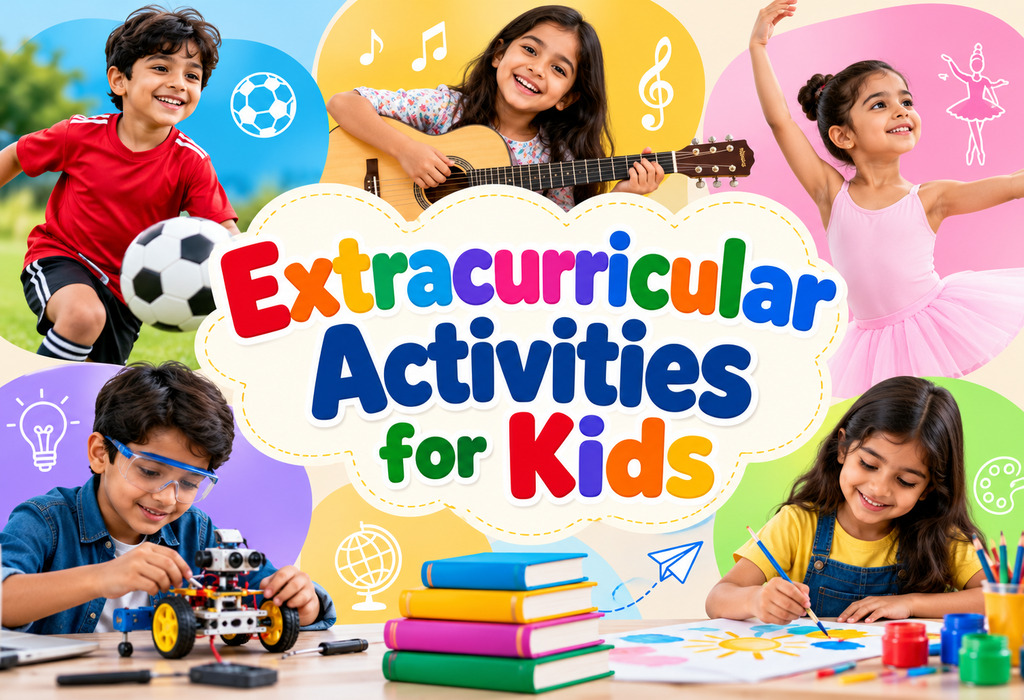
Every parent wants their child to grow up confident, curious, and capable. Classroom learning builds a strong base, but it is often the time spent outside the classroom that helps children discover who they are. Extra curricular activities for kids give them a chance to try new things, make friends, and build skills that textbooks alone cannot teach. They also help children learn patience, teamwork, and how to handle both wins and mistakes.
The good news is that you do not need a packed schedule to see the benefits. Even one or two activities that match your child’s interests can make a real difference. Here are ten options to consider, along with tips on choosing what suits your child’s age and personality.
1. Swimming
Swimming is a wonderful starting point for young children because it builds strength, balance, and water safety all at once. Many pools offer parent and child classes, which makes it one of the easiest extracurricular activities for 2 year olds. Toddlers get comfortable in the water while bonding with a parent. As children grow, they can move on to stroke technique and even friendly races.
2. Art and Craft
Painting, drawing, clay modeling, and paper craft let children express feelings they may not yet have words for. These activities improve fine motor skills, color recognition, and imagination. Art is also one of the most flexible extracurricular activities for 3 year olds, since it needs only simple supplies and can be done at home or in a class. Do not worry about the final result. The joy is in the making.
3. Music and Singing
Learning to sing or play an instrument supports memory, listening skills, and discipline. Little ones can start with rhythm games, simple songs, and shakers or small drums. Older children may enjoy the piano, guitar, ukulele, or violin. Regular practice teaches them that effort leads to progress, which is a lesson that stays with them for life.
4. Dance
Dance combines movement, music, and creativity in one lively package. Whether your child picks ballet, hip hop, folk, or freestyle, they build coordination, flexibility, and body awareness. It is also a great confidence builder, especially for shy children who gain courage by performing in a group. Many studios offer beginner classes designed for preschoolers, which keeps lessons short, playful, and age appropriate.
5. Team Sports
Football, cricket, basketball, and similar games teach children how to cooperate, follow rules, and support teammates. Among structured extracurricular activities for children, team sports stand out for building social skills and resilience. Losing a match gracefully is just as valuable as winning one. For younger kids, choose programs that focus on fun and basic skills instead of strict competition.
6. Martial Arts
Martial arts such as karate, taekwondo, and judo teach focus, respect, and self control. Classes follow a clear structure, with belts and goals that give children something to work toward. Children learn to listen carefully, move with purpose, and stay calm under pressure. Parents often notice improved confidence and better behavior at home after a few months of regular training.
7. Chess and Board Games
Chess is a quiet but powerful activity that sharpens logical thinking, planning, and concentration. Children learn to think ahead, weigh options, and accept the results of their choices. Many schools and community centers run chess clubs where kids can meet peers with similar interests. Even simple board games at home can build these habits for younger players.
8. Reading and Storytelling Clubs
A love of books is one of the best gifts you can give a child. Reading clubs and storytelling sessions build vocabulary, listening skills, and imagination. They are especially suitable as extracurricular activities for preschoolers, because story time feels like play rather than study. Children can act out characters, retell stories in their own words, or even invent their own endings.
9. Gardening and Nature Clubs
Time outdoors helps children become more observant and caring toward the world around them. Planting seeds, watering saplings, and spotting insects or birds turns science into a hands on adventure. Nature activities also suit extracurricular activities for kindergarteners, since they combine curiosity with gentle physical movement. Children learn patience as they wait for a seed to sprout and responsibility as they care for it each day.
10. Coding and Robotics
For children who love puzzles and building things, beginner coding and robotics classes open the door to modern problem solving. Kids as young as five can start with block based programming games and simple robot kits. These extracurricular activities for 5 year olds teach logic, sequencing, and creativity in a playful way. They also prepare children for a future where technology plays a big role in almost every career.
How to Choose the Right Activity
With so many choices, it helps to keep a few simple points in mind.
- Start with your child’s interests. A child who loves to move may enjoy dance or swimming, while a quiet thinker may prefer chess or art. Ask your child what looks fun and let them try a trial class before committing.
- Keep the schedule balanced. Children need free play, rest, and family time just as much as they need classes. Two or three activities a week is plenty for most young learners.
- Match the activity to the age. Toddlers do best with short, play based sessions, while older kids can handle longer lessons and more practice. If your child loses interest, it is perfectly fine to switch. The goal is to build skills and enjoyment, not to create pressure.
- Finally, celebrate effort over results. When children feel supported, they are far more willing to try new things and keep going when it gets hard.
Extracurricular activities give children a space to explore their talents, build friendships, and grow in confidence. From swimming and art to chess and coding, there is something to suit every age and personality. The best choice is the one your child genuinely enjoys, so be patient and let them sample a few options. Remember to keep their schedule balanced so they still have time to rest and play. With your encouragement, these experiences can shape skills and memories that last well beyond childhood.