Monday, May 25, 2026
HomeLearning & EducationBilly Boy Nursery Rhyme With Lyrics

Billy Boy Nursery Rhyme With Lyrics

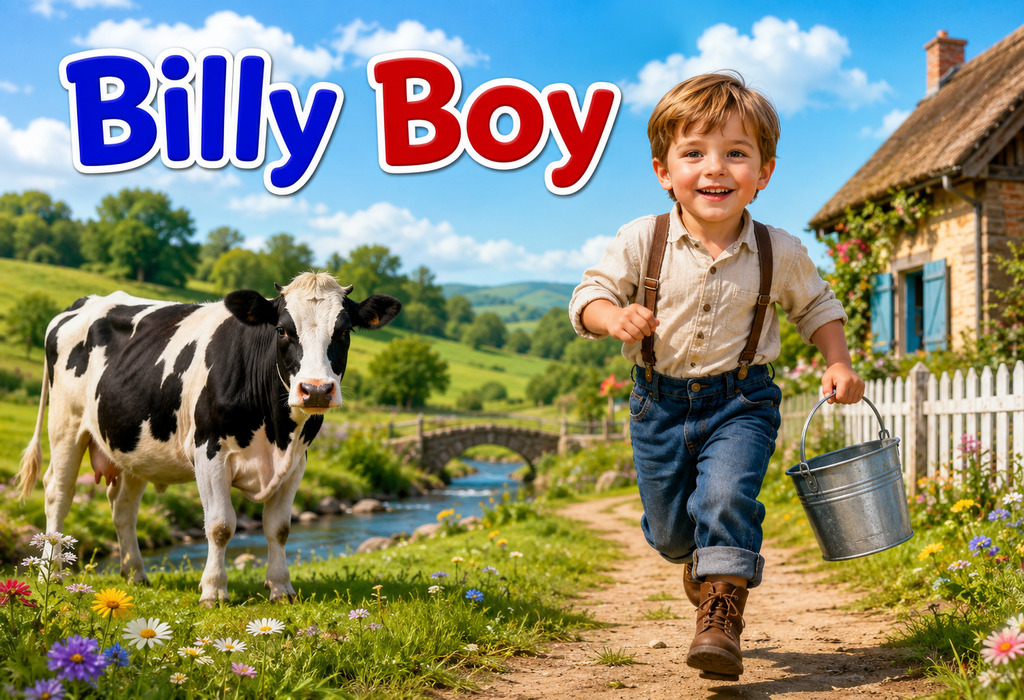
“Billy Boy” is a classic nursery rhyme filled with playful questions, funny answers, and a catchy rhythm that children love to sing along with. The rhyme tells the story of Billy Boy and his amusing conversation about a young lady and her unusual talents. Kids enjoy the repetition and cheerful tune because it makes the song easy to remember and fun to perform with family or friends. Parents and teachers often use this rhyme during sing-along activities to help children improve listening, speaking, and memory skills. The repeated phrases also support language development and build confidence in early communication. “Billy Boy” introduces young learners to storytelling, rhyme patterns, and musical rhythm in a gentle and entertaining way. Its simple words and playful style make it a timeless favorite for preschool and kindergarten learning activities.

Billy Boy Song Lyrics

Children enjoy the playful Billy Boy rhyme because its catchy tune and repeating lines make singing fun and easy for young learners.

Advertisements

Other Versions of Billy Boy Song

Many versions of the “Billy Boy” rhyme have been sung over the years, with small changes in lyrics, tune, and character descriptions depending on the country or teaching style.

  • Some traditional versions include extra funny verses about the young lady’s cooking, sewing, or household skills.
  • In a few classroom versions, teachers shorten the rhyme to make it easier for preschool children to memorize and sing.
  • Certain modern adaptations use simpler language so younger kids can understand the story more easily.
  • Folk music collections sometimes include longer versions of “Billy Boy” with additional question-and-answer verses.
  • In American folk traditions, the rhyme is often sung with a slightly faster and more playful tune.
  • Some children’s music albums add hand-clapping or action movements to create an interactive singing experience for kids.

Gestures – How to Teach Billy Boy to Kids

Using simple actions while singing “Billy Boy” helps children stay active, understand the story better, and enjoy the rhyme even more. Fun gestures also improve listening skills, coordination, and memory as kids follow each movement with the song.

  • Ask children to point around the room with curious expressions when singing “Where have you been, Billy Boy?” to show they are asking a question.
  • Encourage kids to place both hands on their hearts during “She’s the joy of my life” to express happiness and affection in the rhyme.
  • Let children pretend to knock on a door with their fists when singing “Did she bid you to come in?” to make the story more interactive.
  • Tell kids to touch their chin and smile during the line about the “dimple in her chin” so they connect actions with the lyrics.
  • Have children mime stirring a pot or cooking food when the rhyme mentions baking or household tasks to keep them engaged in the story.
  • Finish the rhyme by clapping hands together and gently swaying side to side so children end the activity with rhythm and excitement.

History & Quick Facts

History

“Billy Boy” is a traditional folk song and nursery rhyme that is believed to have originated in Scotland many years ago. The rhyme became popular in England and later spread to the United States through folk music and children’s song collections. The exact author of the rhyme is unknown because it was passed down orally from generation to generation before being written down. One of the earliest known printed versions appeared in the 19th century in folk song collections. Over time, the catchy tune and humorous question-and-answer style helped the rhyme become a favorite among children, parents, and teachers. Today, “Billy Boy” is still sung in homes, schools, and music classes around the world as a fun and educational nursery rhyme.

Interesting Facts

  • “Billy Boy” was originally a folk song before it became widely known as a nursery rhyme for children.
  • The rhyme is popular in both the United Kingdom and the United States, where children sing slightly different versions.
  • Many music teachers use “Billy Boy” to help children practice rhythm, listening, and repetition skills during group singing activities.
  • The tune of the rhyme is cheerful and easy to remember, which makes it perfect for classroom sing-alongs and musical games.
  • Some versions of the rhyme include funny extra verses that describe the young lady’s unusual talents and household skills.
  • “Billy Boy” has appeared in folk music books, children’s albums, and school performances for many generations around the world.

Suitable Age & Learnings

“Billy Boy” is best suited for children between the ages of 3 and 7 years because the rhyme uses simple language, repetition, and a playful musical rhythm that young learners can easily follow. The song helps children develop early learning skills while keeping them entertained through storytelling and singing activities.

  • Children improve their listening skills by paying attention to the repeated questions and answers throughout the rhyme.
  • The rhyme supports memory development because kids remember the repeating lines and sing them again with confidence.
  • Young learners build vocabulary by hearing and understanding simple words such as “wife,” “mother,” “dimple,” and “charming.”
  • The catchy rhythm and rhyme pattern help children strengthen pronunciation and early language skills while singing aloud.
  • Kids learn social interaction and turn-taking when they sing the rhyme together in groups, classrooms, or family activities.
  • The playful storytelling encourages imagination and creativity as children picture the funny characters and events in the song.

FAQs

1. What is the rhyming scheme of Billy Boy?

“Billy Boy” mainly follows a simple repeating rhyme pattern with rhythmic question-and-answer lines that make the song easy and enjoyable for children to remember.

2. Why do children enjoy the Billy Boy rhyme?

Children enjoy “Billy Boy” because it has a catchy tune, funny storytelling, and repeated phrases that make singing interactive and entertaining.

3. How does Billy Boy help in early learning?

The rhyme helps children improve listening, memory, vocabulary, rhythm, and communication skills through repetition and musical learning activities.

“Billy Boy” is a timeless nursery rhyme that continues to bring smiles to children and families around the world. Its playful lyrics, simple rhythm, and cheerful storytelling make it a wonderful choice for early childhood learning and fun sing-along sessions. Children not only enjoy the catchy tune but also develop important language, listening, and memory skills while singing the rhyme. Parents and teachers can make the experience even more engaging by adding gestures, actions, and group activities. The rhyme’s long history and different versions also make it an interesting part of traditional folk music for young learners to explore. With its warm humor and easy words, “Billy Boy” remains a delightful classic that children can enjoy again and again.

RELATED ARTICLES

LEAVE A REPLY

Please enter your comment!
Please enter your name here

- Advertisment -

Most Popular