

Learning the alphabet becomes so much more exciting when it’s paired with real creatures from around the world. If your child has ever asked you to name an animal begin with a, you’re about to have plenty of answers ready. This article introduces 40 fascinating animals whose names start with the letter A, from the tiny ant to the towering African elephant. Each one comes with simple facts about where it lives, what kind of animal it is and something fun to remember it by, making this a handy resource for curious young learners and the parents who read alongside them.
Animals Names Beginning With A
From the plains of Africa to the icy Arctic, here is a full list of animals starting with letter a that children love to learn about. This list of animals starting with a covers wild animals, birds, fish, reptiles and even a few farm and pet favourites. Each animal below comes with simple, easy-to-remember facts perfect for young readers.
1. Aardvark
A nocturnal, burrowing mammal native to Africa, known for its long snout and love of ants and termites. Despite its pig-like name, it isn’t related to pigs at all and instead belongs to its very own animal family.
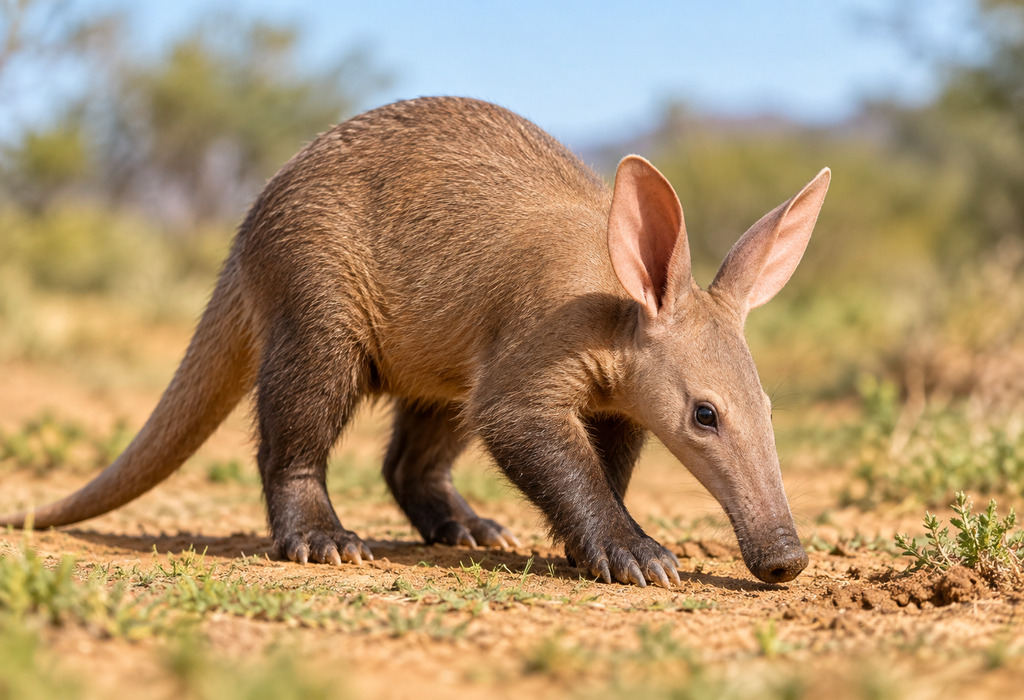
Scientific Name – Orycteropus afer
Type of Animal – Mammal
Where They Live – Sub-Saharan Africa, in grasslands and woodlands
Fun Facts
- It digs deep, complex burrows using its strong front claws, sometimes tunnelling several metres in a single night. These burrows also give shelter to other animals like warthogs and mongooses once the aardvark moves on.
- Its long, sticky tongue can be up to 30 centimetres long, letting it lap up thousands of ants and termites in one feeding session.
2. African Elephant
The largest land animal on Earth, instantly recognisable by its enormous ears and long, muscular trunk. It roams the plains and forests of Africa in close family groups led by an experienced female.
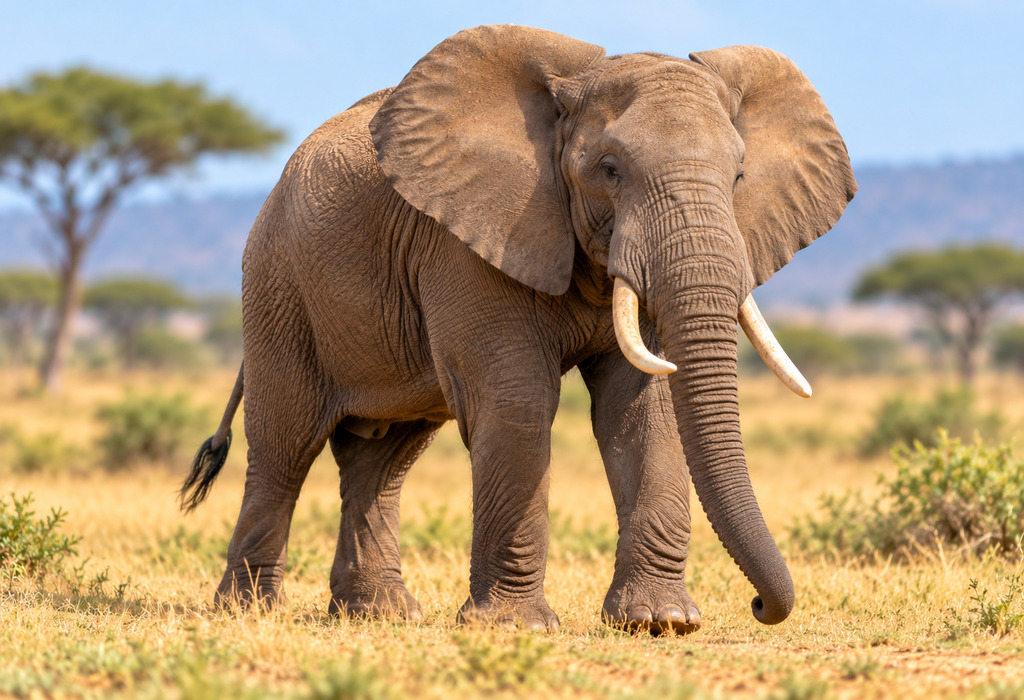
Scientific Name – Loxodonta africana
Type of Animal – Mammal
Where They Live – African savannas, forests and grasslands
Fun Facts
- It is the largest land animal alive today, with adult males weighing as much as six tonnes.
- Its trunk contains over 40,000 muscles and can be used for breathing, drinking and grabbing food.
3. Albatross
A magnificent seabird known for having the longest wingspan of any bird alive. It spends most of its life soaring over the open ocean, only coming ashore to breed.
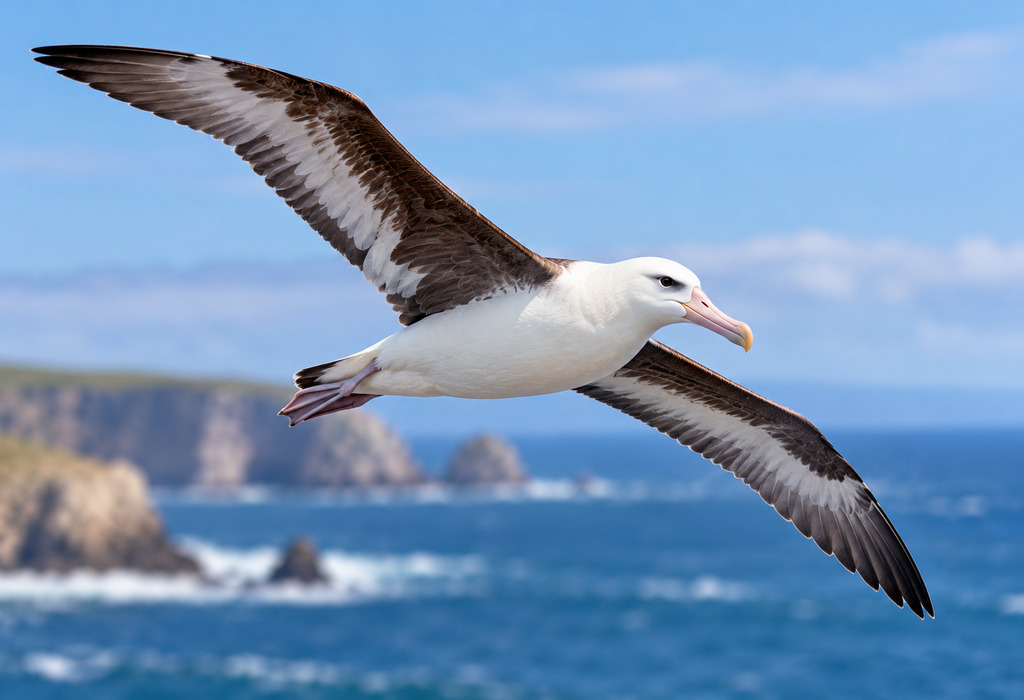
Scientific Name – Diomedea exulans
Type of Animal – Bird
Where They Live – The open waters of the Southern Ocean
Fun Facts
- It has the longest wingspan of any living bird, stretching over three metres from tip to tip.
- This wingspan lets it glide for hours over the ocean without flapping, using rising air currents to save energy.
4. Alligator
A powerful reptile with a broad snout, found lurking in the swamps and rivers of the southeastern United States. It is an ambush predator that can stay almost completely still for long stretches while waiting for prey.
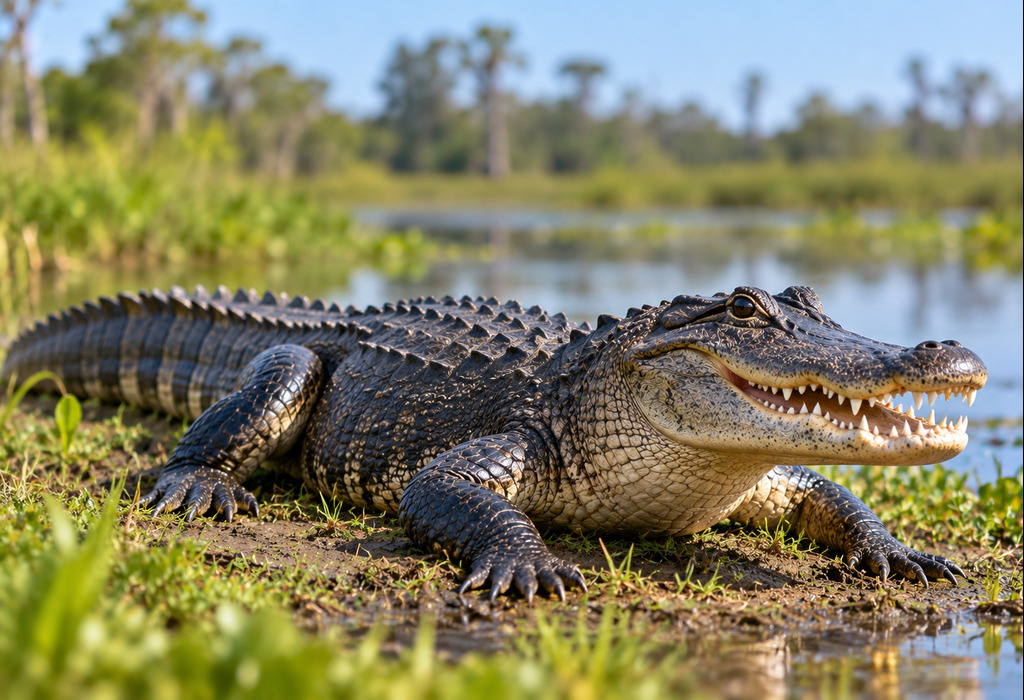
Scientific Name – Alligator mississippiensis
Type of Animal – Reptile
Where They Live – Freshwater swamps, rivers and lakes in the southeastern United States
Fun Facts
- It can hold its breath underwater for over an hour while lying completely still, waiting for prey to come close.
- Its powerful jaws can snap shut with tremendous force, though the muscles that open its mouth are surprisingly weak.
5. Alpaca
A gentle, wool-bearing mammal from the high Andes mountains of South America. It is closely related to the llama and is prized for its soft, warm fleece.
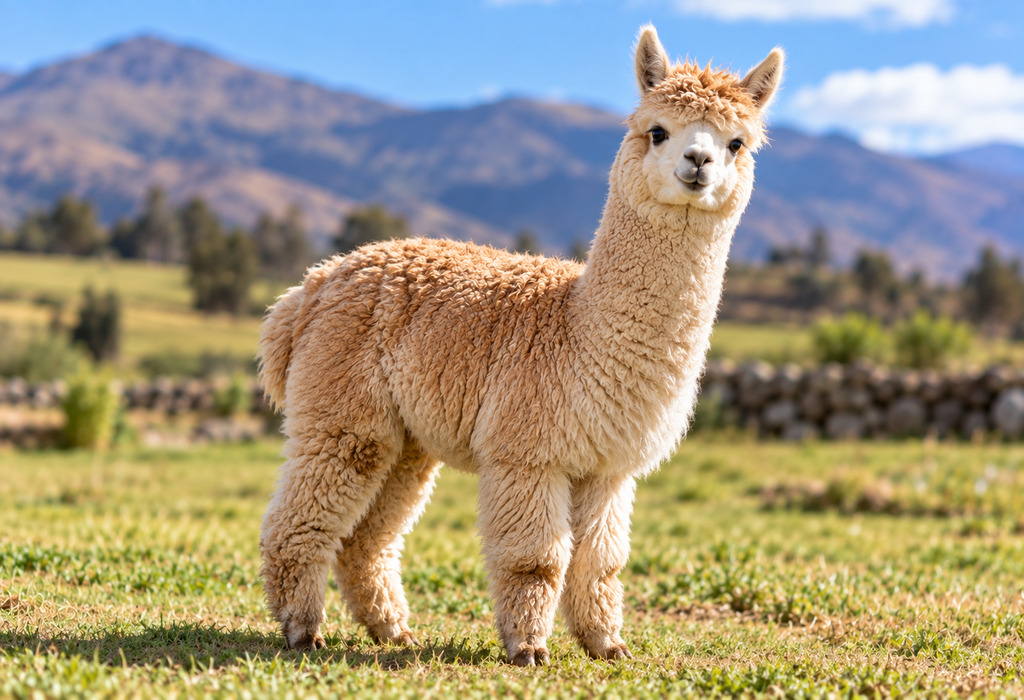
Scientific Name – Vicugna pacos
Type of Animal – Mammal
Where They Live – The high mountains of the Andes in South America
Fun Facts
- It is raised mainly for its soft, warm wool, which comes in over 20 natural colours.
- Alpacas hum softly to communicate with each other, especially when they feel curious or worried.
6. American Robin
A familiar songbird found in gardens and parks across North America, easily spotted by its orange-red chest. Its cheerful song is often one of the first signs of spring.
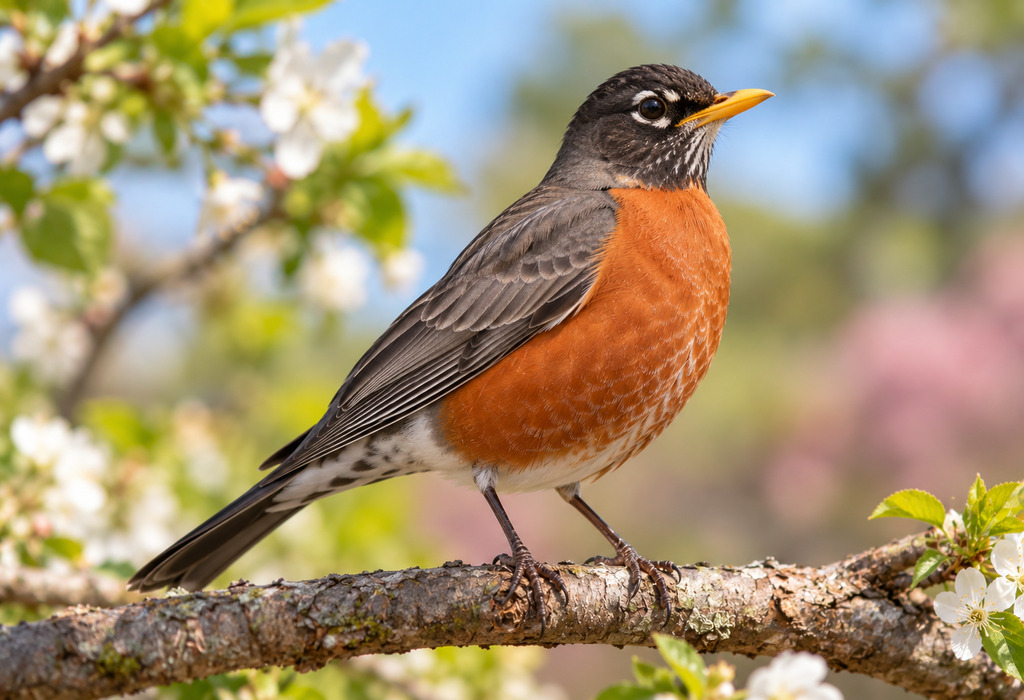
Scientific Name – Turdus migratorius
Type of Animal – Bird
Where They Live – Gardens, parks and woodlands across North America
Fun Facts
- Its cheerful morning song and bright orange-red chest make it easy to recognise in gardens and parks.
- It is often seen as one of the first signs that spring has arrived in North America.
7. Anaconda
A massive, non-venomous snake that lives in the rivers and swamps of South America. It kills its prey by wrapping around it tightly rather than biting with venom.
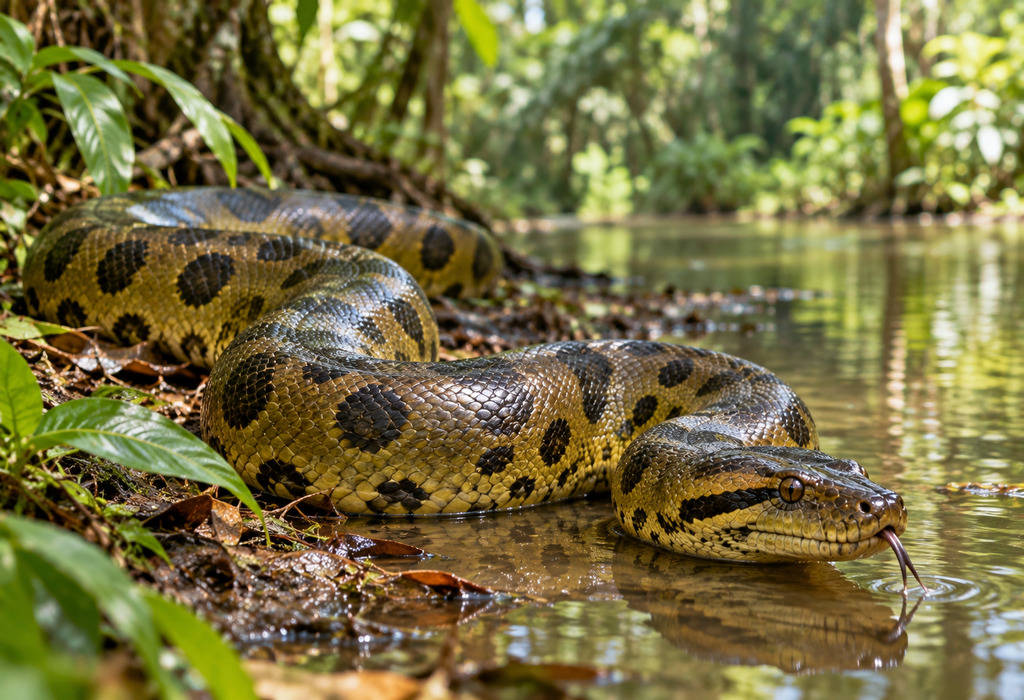
Scientific Name – Eunectes murinus
Type of Animal – Reptile
Where They Live – Rivers, swamps and marshes of South America
Fun Facts
- It is one of the heaviest snakes in the world, with some green anacondas weighing over 90 kilograms.
- Unlike venomous snakes, it kills by squeezing its prey tightly until it can no longer breathe.
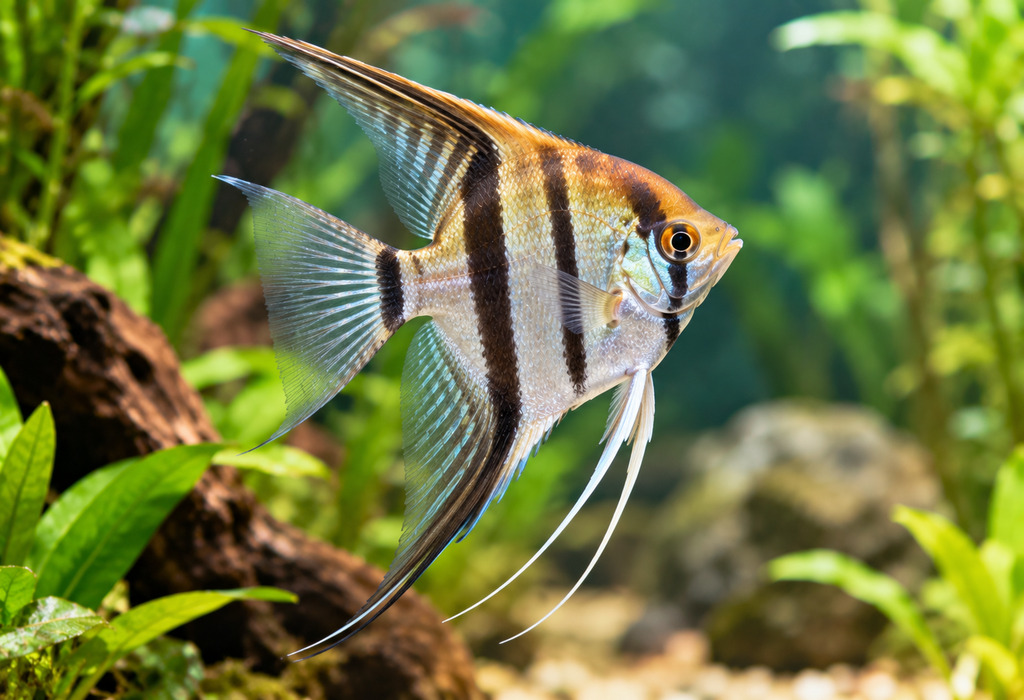
8. Angelfish
A graceful freshwater fish named for its tall, triangular fins that resemble wings. It is native to the calm rivers of the Amazon basin and is a popular choice for home aquariums.
Scientific Name – Pterophyllum scalare
Type of Animal – Fish
Where They Live – The slow-moving rivers of the Amazon basin
Fun Facts
- It gets its name from its graceful, triangular fins that resemble the wings of an angel.
- Angelfish are known for forming close pairs, and both parents often help guard their eggs.
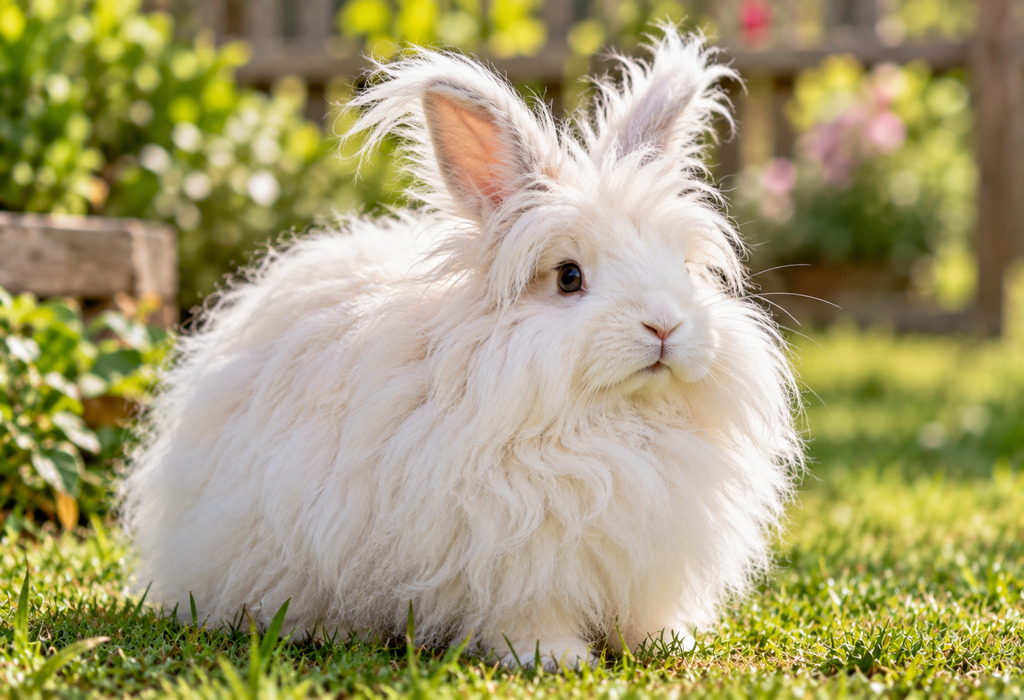
9. Angora Rabbit
A fluffy pet rabbit best known for its exceptionally long, soft wool coat. It needs regular grooming to keep its fur from becoming tangled or matted.
Scientific Name – Oryctolagus cuniculus
Type of Animal – Mammal
Where They Live – Kept as a pet worldwide, originally bred near Turkey
Fun Facts
- It grows an extremely long, fluffy wool coat that can reach lengths of over 12 centimetres if left ungroomed.
- Owners need to brush Angora rabbits regularly to stop their fur from matting or tangling.
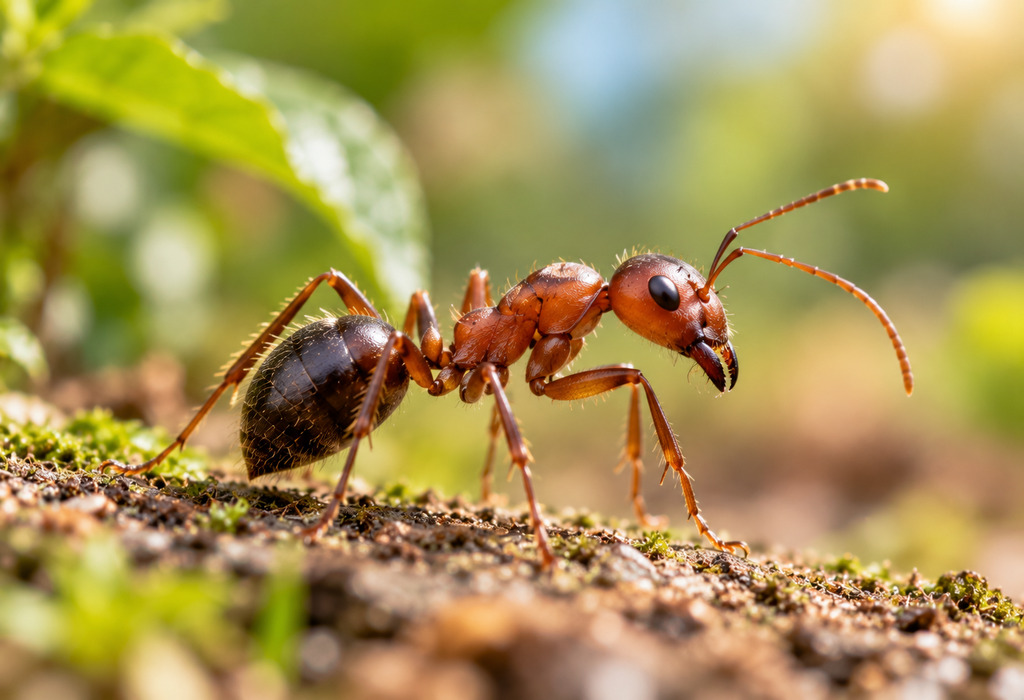
10. Ant
A tiny but incredibly strong insect that lives in large, highly organised colonies. It can be found in almost every environment on Earth except Antarctica.
Scientific Name – Family Formicidae
Type of Animal – Insect
Where They Live – Almost every corner of the world except Antarctica
Fun Facts
- It can carry an object many times heavier than its own body, making it one of nature’s strongest workers for its size.
- Ants live in large colonies with different jobs, including workers, soldiers and a queen who lays all the eggs.
11. Anteater
A distinctive mammal with a long snout and no teeth, found in the grasslands and forests of Central and South America. It survives entirely on ants and termites, which it licks up with its extremely long tongue.
Scientific Name – Myrmecophaga tridactyla
Type of Animal – Mammal
Where They Live – Grasslands and forests of Central and South America
Fun Facts
- It has no teeth at all, relying entirely on its long, sticky tongue to eat.
- A giant anteater’s tongue can flick in and out up to 150 times a minute while feeding on ants and termites.
12. Antelope
A fast, graceful grazing mammal found across the grasslands of Africa and Asia. It usually lives in herds and relies on speed and agility to escape predators.
Scientific Name – Antilope cervicapra
Type of Animal – Mammal
Where They Live – The open grasslands of Africa and Asia
Fun Facts
- It is an incredibly fast runner, with some species able to reach speeds of over 80 kilometres an hour.
- Antelopes often leap high into the air in a movement called “pronking” to confuse predators.
13. Arabian Horse
An elegant and ancient horse breed originally from the deserts of the Arabian Peninsula. It is prized worldwide for its speed, endurance and gentle temperament.
Scientific Name – Equus ferus caballus
Type of Animal – Mammal
Where They Live – Originally the deserts of the Arabian Peninsula
Fun Facts
- It is one of the oldest horse breeds in the world, with a history stretching back thousands of years.
- Arabian horses are known for their speed, stamina and ability to cope well in hot desert climates.
14. Arctic Fox
A small, hardy fox adapted to survive the freezing conditions of the Arctic tundra. Its coat changes colour with the seasons to help it blend into its snowy or rocky surroundings.
Scientific Name – Vulpes lagopus
Type of Animal – Mammal
Where They Live – The frozen tundra of the Arctic Circle
Fun Facts
- Its thick fur changes colour with the seasons, turning snowy white in winter and brownish grey in summer.
- This colour change helps it blend into its surroundings and hide from predators all year round.
15. Arctic Hare
A large, fast-running hare that lives on the Arctic tundra of North America and Greenland. It changes the colour of its fur through the year to stay camouflaged from predators.
Scientific Name – Lepus arcticus
Type of Animal – Mammal
Where They Live – The Arctic tundra of North America and Greenland
Fun Facts
- It can sprint at speeds of up to 60 kilometres an hour to escape hungry foxes and wolves.
- Arctic hares often stand upright on their back legs like a small kangaroo to look out for danger.
16. Arctic Wolf
A pack-hunting predator that lives in the far north of Canada and Greenland. Its thick, white fur helps it survive extremely cold temperatures and blend into the snow.
Scientific Name – Canis lupus arctos
Type of Animal – Mammal
Where They Live – The Canadian Arctic and northern Greenland
Fun Facts
- Its thick, all-white coat helps it stay warm and blend into the snow through long polar winters.
- Arctic wolves live in small packs and hunt together to catch prey like muskoxen and Arctic hares.
17. Armadillo
A small, armoured mammal covered in tough, bony plates for protection. It is an excellent digger and uses burrows for shelter across the grasslands and forests of the Americas.
Scientific Name – Dasypus novemcinctus
Type of Animal – Mammal
Where They Live – Grasslands and forests across the Americas
Fun Facts
- Its body is protected by tough, bony plates that act like natural armour.
- Some species, like the three-banded armadillo, can curl into a tight ball when frightened.
18. Asian Elephant
A highly intelligent elephant species found across the forests and grasslands of South and Southeast Asia. It has smaller ears than the African elephant, and typically only males grow visible tusks.
Scientific Name – Elephas maximus
Type of Animal – Mammal
Where They Live – Forests and grasslands of South and Southeast Asia
Fun Facts
- It has smaller ears than its African cousin, and usually only the males grow long tusks.
- Asian elephants are highly intelligent and can use tools, such as branches, to swat away flies.
19. Atlantic Puffin
A small, colourful seabird nicknamed the sea parrot for its bright beak. It nests in burrows along the rocky coastlines of the North Atlantic.
Scientific Name – Fratercula arctica
Type of Animal – Bird
Where They Live – Rocky coastal cliffs around the North Atlantic
Fun Facts
- Its bright, colourful beak has earned it the cheerful nickname of the sea parrot.
- Puffins are strong swimmers and use their wings to “fly” underwater while chasing small fish.
20. Axolotl
A unique salamander that spends its entire life living underwater in a few lakes near Mexico City. It is famous for its ability to regrow lost body parts, including limbs and organs.
Scientific Name – Ambystoma mexicanum
Type of Animal – Amphibian
Where They Live – A few lakes and canals near Mexico City
Fun Facts
- It can regrow lost legs, its tail, and even parts of its own heart and brain.
- Unlike most amphibians, an axolotl usually keeps its feathery gills and stays in water for its whole life.
21. Aye-Aye
An unusual, nocturnal primate found only in the rainforests of Madagascar. It uses one long, thin finger to tap on tree bark and fish out grubs hiding inside.
Scientific Name – Daubentonia madagascariensis
Type of Animal – Mammal
Where They Live – The rainforests of Madagascar
Fun Facts
- It taps on tree bark with one long, thin finger to find grubs hiding underneath.
- Once it hears movement, it gnaws a small hole in the bark and uses the same finger to hook the grub out.
22. Abyssinian Cat
One of the oldest known domestic cat breeds, admired for its warm, ticked coat and playful personality. It is an energetic, curious cat that loves to climb and explore.
Scientific Name – Felis catus
Type of Animal – Mammal
Where They Live – Kept as a pet worldwide, believed to originate near the Red Sea
Fun Facts
- It is one of the oldest known cat breeds, with a history that may stretch back thousands of years.
- Abyssinian cats have a distinctive coat where each hair is banded with several colours, giving a shimmering look.
23. Akita
A loyal and dignified dog breed originally bred in the mountains of Japan for hunting. It became internationally famous through the true story of the faithful dog Hachiko.
Scientific Name – Canis lupus familiaris
Type of Animal – Mammal
Where They Live – Originally the mountains of northern Japan
Fun Facts
- This loyal dog breed became famous worldwide through the true story of a devoted Akita named Hachiko.
- Akitas were originally bred in Japan to hunt large game, including wild boar and even bears.
24. Airedale Terrier
The largest of all terrier breeds, often called the King of Terriers. It was originally bred in England to hunt otters and rats near rivers.
Scientific Name – Canis lupus familiaris
Type of Animal – Mammal
Where They Live – Originally the Aire Valley in Yorkshire, England
Fun Facts
- It is nicknamed the King of Terriers because it is the largest of all the terrier breeds.
- Airedale Terriers were originally bred in England to hunt otters and rats near rivers.
25. Angus Cattle
A hardy breed of black cattle originally from Scotland, now raised on farms worldwide. It is valued for producing high-quality beef and for coping well in a wide range of climates.
Scientific Name – Bos taurus
Type of Animal – Mammal
Where They Live – Farms and pastures worldwide, originally from Scotland
Fun Facts
- It is easy to recognise thanks to its solid black coat, and it does not grow horns.
- Angus cattle originally come from Scotland and are now raised on farms all over the world.
26. African Grey Parrot
A highly intelligent parrot native to the rainforests of West and Central Africa. It is famous for its remarkable ability to learn and use human words.
Scientific Name – Psittacus erithacus
Type of Animal – Bird
Where They Live – The rainforests of West and Central Africa
Fun Facts
- It is considered one of the smartest birds in the world and can learn to say hundreds of words.
- African grey parrots can also learn to associate words with objects, not just repeat sounds.
27. African Wild Dog
A highly social pack hunter found across the savannas of sub-Saharan Africa. Each individual has a unique blotchy coat pattern, making every dog easy to tell apart.
Scientific Name – Lycaon pictus
Type of Animal – Mammal
Where They Live – The savannas and woodlands of sub-Saharan Africa
Fun Facts
- Every single one has a different blotchy coat pattern, so no two African wild dogs ever look alike.
- They live and hunt in packs, working together closely to chase down prey over long distances.
28. Amur Leopard
One of the rarest big cats on Earth, found only in the cold forests of the Russian Far East. It has thick, pale fur that helps it survive freezing winter temperatures.
Scientific Name – Panthera pardus orientalis
Type of Animal – Mammal
Where They Live – The cold forests of the Russian Far East
Fun Facts
- It is considered one of the rarest big cats left on Earth, with only a small number surviving in the wild.
- Amur leopards have thick fur that grows even longer and paler in winter to cope with the cold.
29. Amur Tiger
The largest tiger subspecies alive today, also known as the Siberian tiger. It lives a solitary life in the cold forests of eastern Russia and parts of China.
Scientific Name – Panthera tigris altaica
Type of Animal – Mammal
Where They Live – Forests of eastern Russia and parts of China
Fun Facts
- Also called the Siberian tiger, it is the largest tiger subspecies alive today.
- Amur tigers have thicker fur and a layer of fat to help them survive freezing winters.
30. Amazon River Dolphin
A freshwater dolphin found in the Amazon and Orinoco river basins of South America. Its skin can turn a striking pink colour as the dolphin grows older.
Scientific Name – Inia geoffrensis
Type of Animal – Mammal
Where They Live – The Amazon and Orinoco river basins in South America
Fun Facts
- Its skin can slowly turn a bright pink colour as the dolphin grows older.
- It is also known as the boto and is one of the largest freshwater dolphin species in the world.
31. American Bison
The largest land mammal in North America, once found roaming the plains in enormous herds. Its numbers dropped sharply in the 1800s but have since recovered thanks to conservation efforts.
Scientific Name – Bison bison
Type of Animal – Mammal
Where They Live – Grasslands and plains across North America
Fun Facts
- It is the largest land mammal in North America and can weigh nearly as much as a small car.
- Bison can run surprisingly fast for their size, reaching speeds of up to 55 kilometres an hour.
32. Anglerfish
A strange-looking deep-sea fish that uses a glowing lure to attract prey in the dark ocean depths. Its huge mouth and stretchy stomach allow it to swallow prey larger than itself.
Scientific Name – Melanocetus johnsonii
Type of Animal – Fish
Where They Live – The dark, deep waters of the ocean
Fun Facts
- It dangles a glowing lure above its head to attract curious prey in the pitch-black deep sea.
- The glow comes from bacteria living inside the lure, which produce their own light.
33. Ant Lion
An insect whose larva digs a cone-shaped pit trap in sandy soil to catch passing ants. As an adult, it transforms into a delicate, winged insect that looks a little like a dragonfly.
Scientific Name – Family Myrmeleontidae
Type of Animal – Insect
Where They Live – Sandy soil in warm regions around the world
Fun Facts
- As a larva, it digs a cone-shaped pit in the sand and waits at the bottom to ambush wandering ants.
- When an ant slips into the pit, the ant lion flicks sand to stop it from escaping.
34. Asian Water Buffalo
A large, strong mammal found across the wetlands and rice paddies of South and Southeast Asia. It is often used by farmers to plough fields and pull heavy loads.
Scientific Name – Bubalus bubalis
Type of Animal – Mammal
Where They Live – Wetlands, rivers and rice paddies across South and Southeast Asia
Fun Facts
- It loves wallowing in cool mud and water, which helps protect its skin from the hot sun and insect bites.
- Asian water buffalo have wide, curved horns that can span over a metre from tip to tip.
35. Australian Shepherd
A clever, energetic herding dog breed that, despite its name, actually originated in the United States. It is known for its intelligence and striking, sometimes multi-coloured eyes.
Scientific Name – Canis lupus familiaris
Type of Animal – Mammal
Where They Live – Originally developed on ranches in the United States
Fun Facts
- Despite its name, this clever herding dog did not actually originate in Australia.
- Australian Shepherds were developed on ranches in the United States to help herd sheep and cattle.
36. Avocet
An elegant wading bird known for its long, upturned beak and striking black-and-white feathers. It feeds by sweeping its beak through shallow water in wetlands and lagoons.
Scientific Name – Recurvirostra avosetta
Type of Animal – Bird
Where They Live – Wetlands, mudflats and shallow lagoons
Fun Facts
- It sweeps its long, upturned beak from side to side through shallow water to feel for food.
- Avocets mainly eat small insects, crustaceans and worms found in mud and shallow lagoons.
37. Axis Deer
A spotted deer species, also known as the chital, found in the forests and grasslands of India and Sri Lanka. It lives in herds and often shares its habitat with other animals that help warn of nearby predators.
Scientific Name – Axis axis
Type of Animal – Mammal
Where They Live – Forests and grasslands of India and Sri Lanka
Fun Facts
- Also known as the chital, it is easily spotted thanks to the white markings scattered across its coat.
- Axis deer live in herds and are most active during the cooler parts of the day.
38. Asiatic Black Bear
A forest-dwelling bear found across parts of Asia, nicknamed the moon bear for the pale crescent mark on its chest. It is a skilled climber that feeds on a wide variety of fruit, nuts and small animals.
Scientific Name – Ursus thibetanus
Type of Animal – Mammal
Where They Live – Forests across Asia, from Iran to Japan
Fun Facts
- A pale, crescent-shaped patch of fur on its chest gives it the nickname of the moon bear.
- Asiatic black bears are strong climbers and often rest or feed in trees.
39. Andean Condor
One of the largest flying birds in the world, found soaring above the Andes mountains of South America. It is a scavenger that can glide for hours on rising air currents.
Scientific Name – Vultur gryphus
Type of Animal – Bird
Where They Live – The high mountains of the Andes in South America
Fun Facts
- It is among the largest flying birds on Earth, with a wingspan that can stretch beyond three metres.
- Andean condors can soar for hours using rising air currents, barely flapping their enormous wings.
40. Arowana
A striking freshwater fish nicknamed the dragon fish for its large, metallic scales. It is considered a symbol of good luck and prosperity in several Asian cultures.
Scientific Name – Osteoglossum bicirrhosum
Type of Animal – Fish
Where They Live – Rivers of the Amazon basin and parts of Asia
Fun Facts
- Nicknamed the dragon fish, it can leap clean out of the water to snatch insects off low branches.
- Arowanas have large, metallic scales that shimmer in the light, adding to their dragon-like appearance.
Still wondering what animal start with letter a might become your child’s new favourite? There is no shortage of choice: every animal name start with alphabet a on this list is real, fascinating and fun to say out loud. Whichever one your little one picks, learning about animals with the letter a at the beginning is a wonderful way to build vocabulary while sparking curiosity about the natural world. Best of all, many of these are common animals that start with a that children may already recognise from picture books, zoos and everyday life.
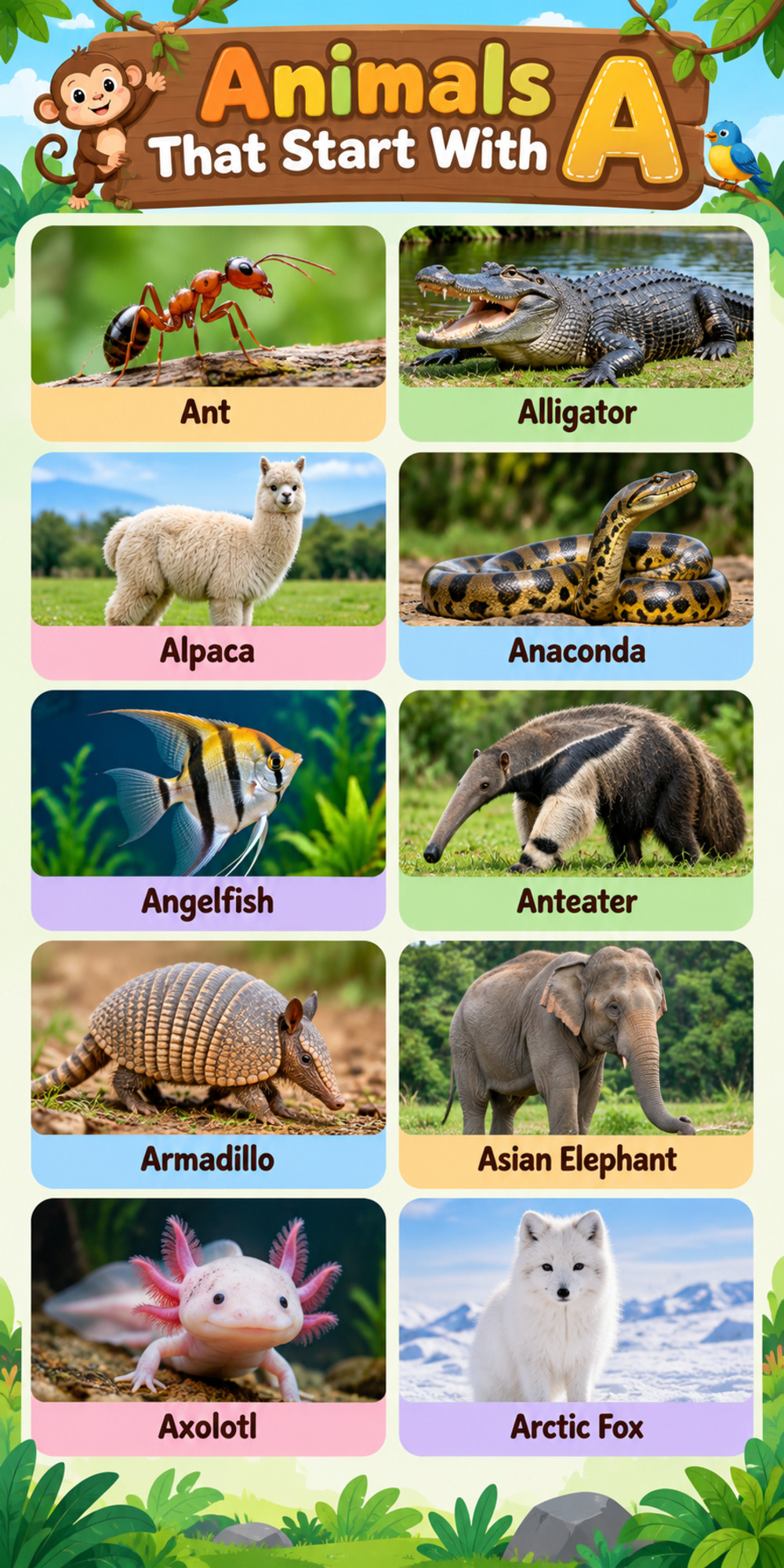
Infographic – Animals Starting With Letter A
Also Read: Animals That Begin With Letter A to Z