

From the bouncing kangaroo to the flightless kiwi, K introduces children to some of the animal kingdom’s most memorable creatures. This animal begin with k list takes young readers on a journey across continents, from Australian marsupials to African antelope and rivers across Asia. Children up to eight years old will meet mammals, birds, reptiles, fish and insects, each with its own story worth telling. Every entry below shares where the animal lives, what kind of creature it is, and two fun facts to enjoy.
Animal Names Beginning With K
This list features animals whose names start with K, chosen to be familiar to young children, with quick facts on species, habitat and traits for animals starting with letter k learning activities.
1. Kangaroo
Kangaroos are marsupials hopping on strong hind legs.
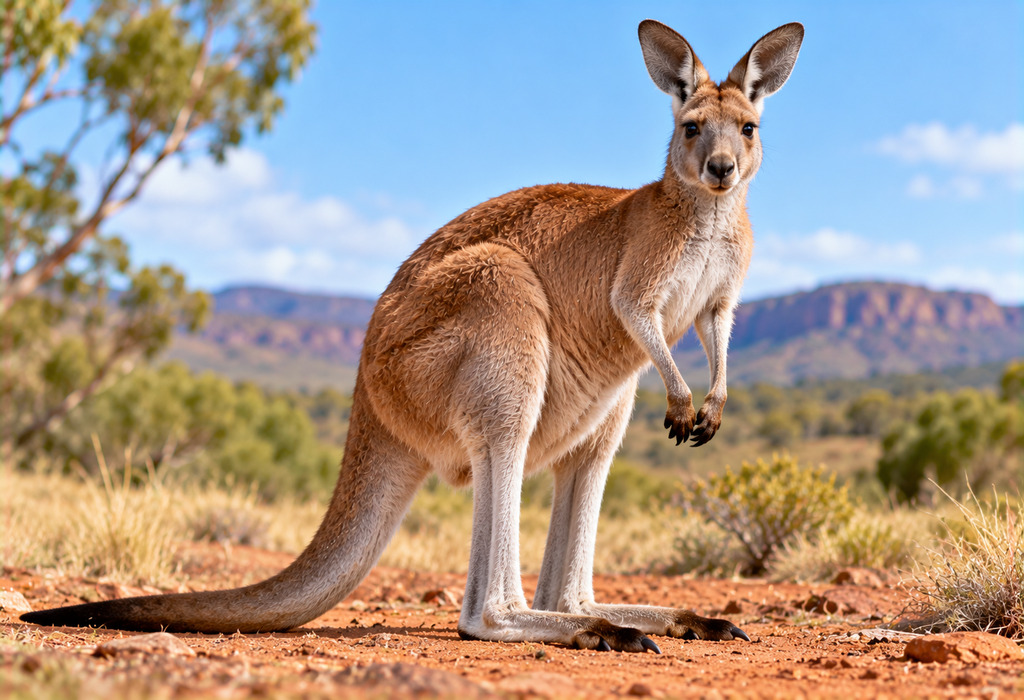
Scientific Name – Macropus giganteus
Type of Animal – Mammal
Where They Live – Australian grasslands
Fun Facts
- Kangaroos can leap over three metres in one hop.
- A baby kangaroo is called a joey.
2. Koala
Koalas are sleepy marsupials resting in eucalyptus trees.
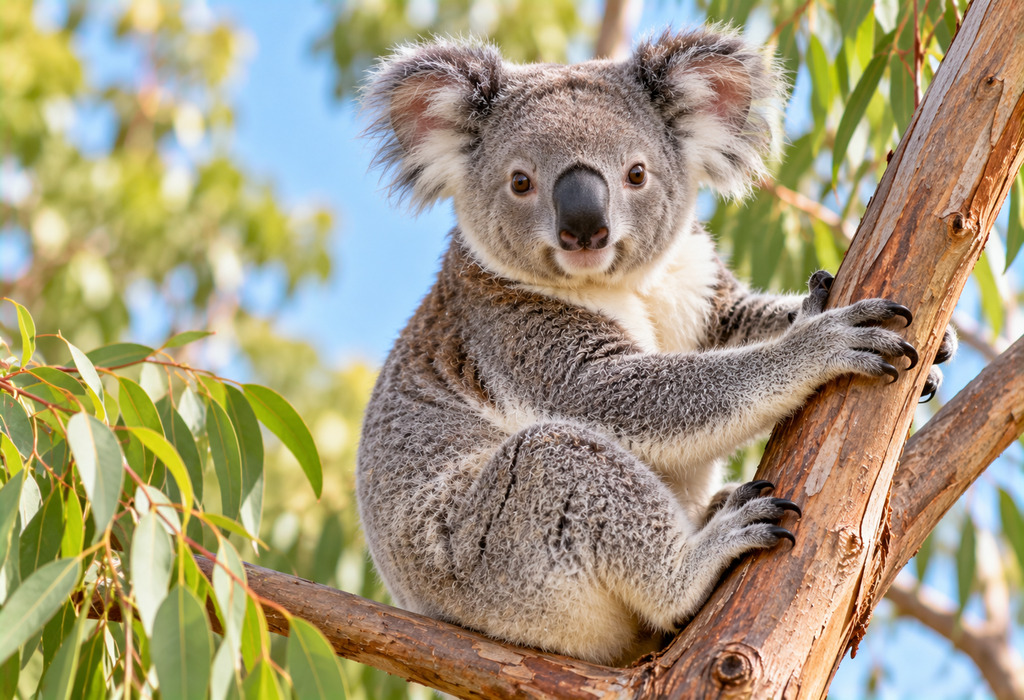
Scientific Name – Phascolarctos cinereus
Type of Animal – Mammal
Where They Live – Eastern Australian forests
Fun Facts
- Koalas sleep up to 20 hours a day.
- They eat mostly eucalyptus leaves.
3. Kiwi
The kiwi is a small flightless bird with a long beak.
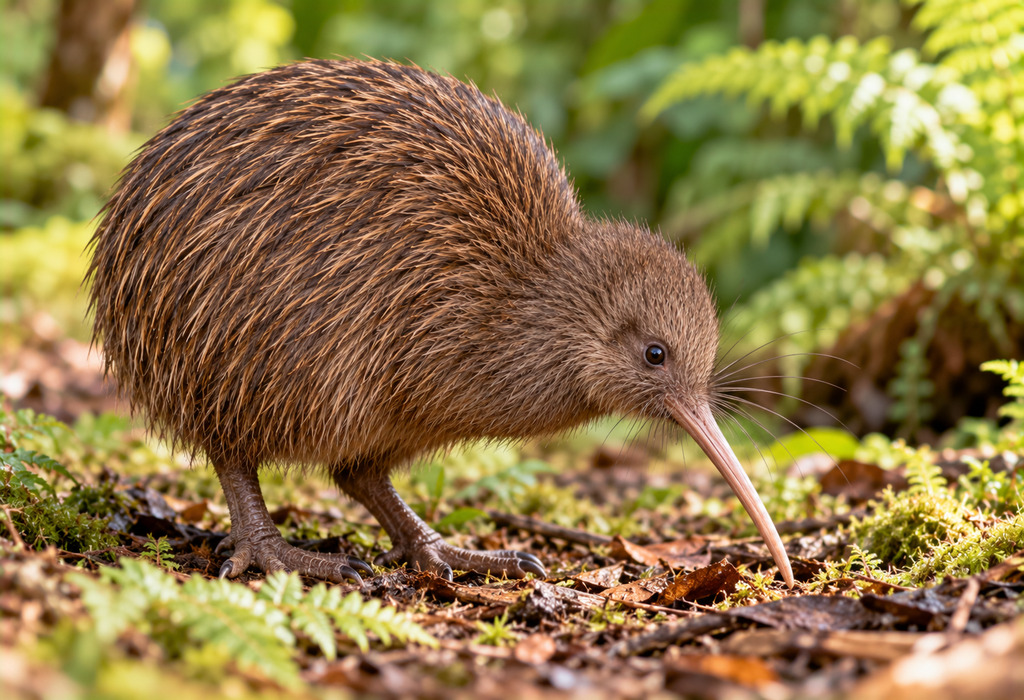
Scientific Name – Apteryx mantelli
Type of Animal – Bird
Where They Live – New Zealand forests
Fun Facts
- Kiwis lay unusually large eggs.
- They are nocturnal and rarely seen by day.
4. Killer Whale
Killer whales, or orcas, are ocean predators travelling in pods.
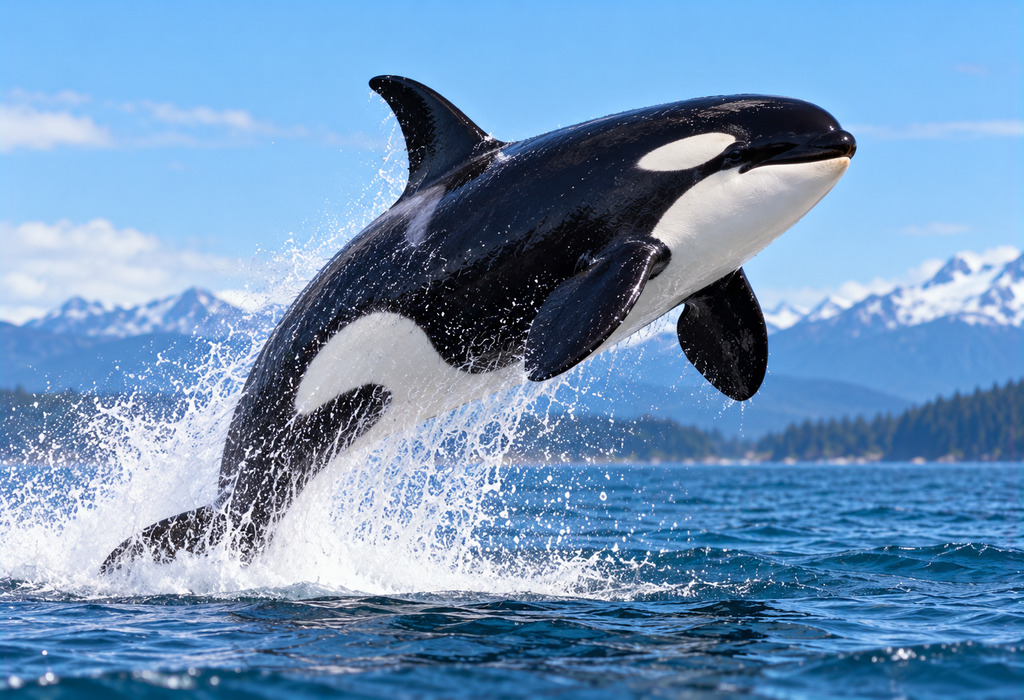
Scientific Name – Orcinus orca
Type of Animal – Mammal
Where They Live – Oceans worldwide
Fun Facts
- Orcas can swim up to 54 kilometres per hour.
- Each pod has its own calls.
5. King Cobra
The king cobra is the world’s longest venomous snake.
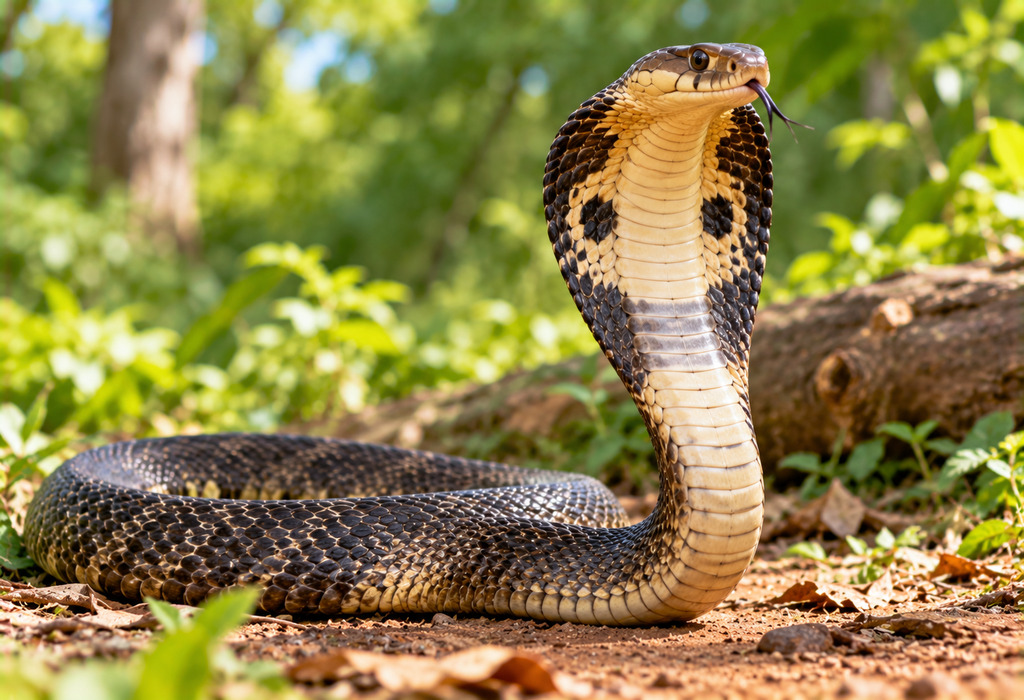
Scientific Name – Ophiophagus hannah
Type of Animal – Reptile
Where They Live – South and Southeast Asia
Fun Facts
- King cobras can grow over five metres long.
- They mainly eat other snakes.
6. Kingfisher
Kingfishers are colourful birds diving into water for fish.
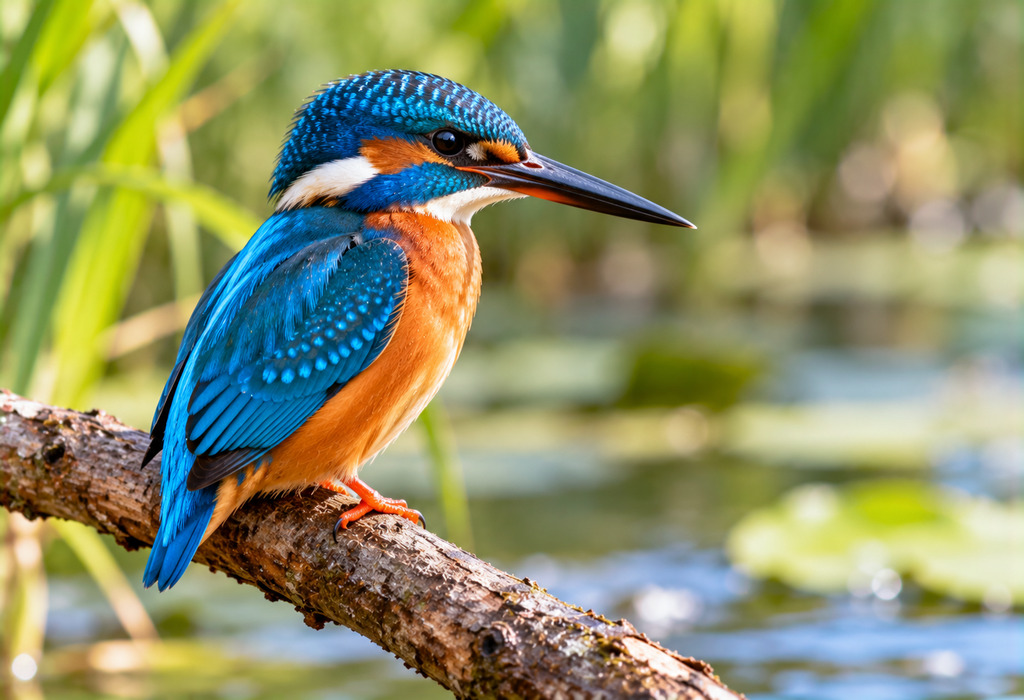
Scientific Name – Alcedo atthis
Type of Animal – Bird
Where They Live – Rivers and wetlands
Fun Facts
- They spot fish from metres above the water.
- Some dig nesting burrows in riverbanks.
7. Komodo Dragon
The komodo dragon is the largest living lizard.
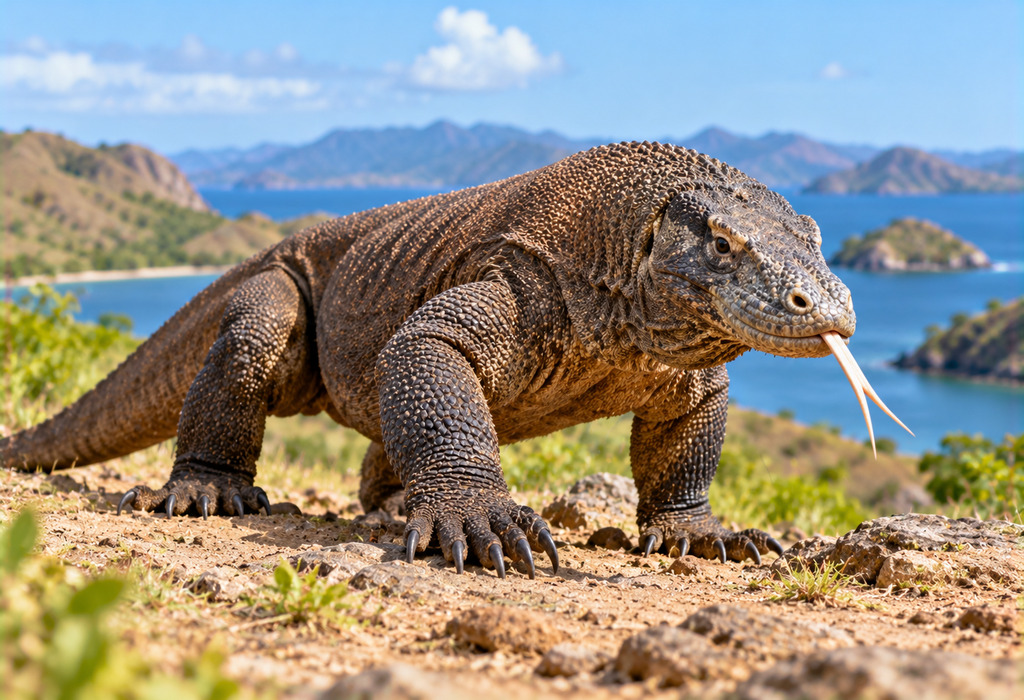
Scientific Name – Varanus komodoensis
Type of Animal – Reptile
Where They Live – Indonesian islands
Fun Facts
- Komodo dragons can grow up to three metres long.
- Saliva helps weaken their prey.
8. Kudu
Kudus are African antelope with spiral horns.
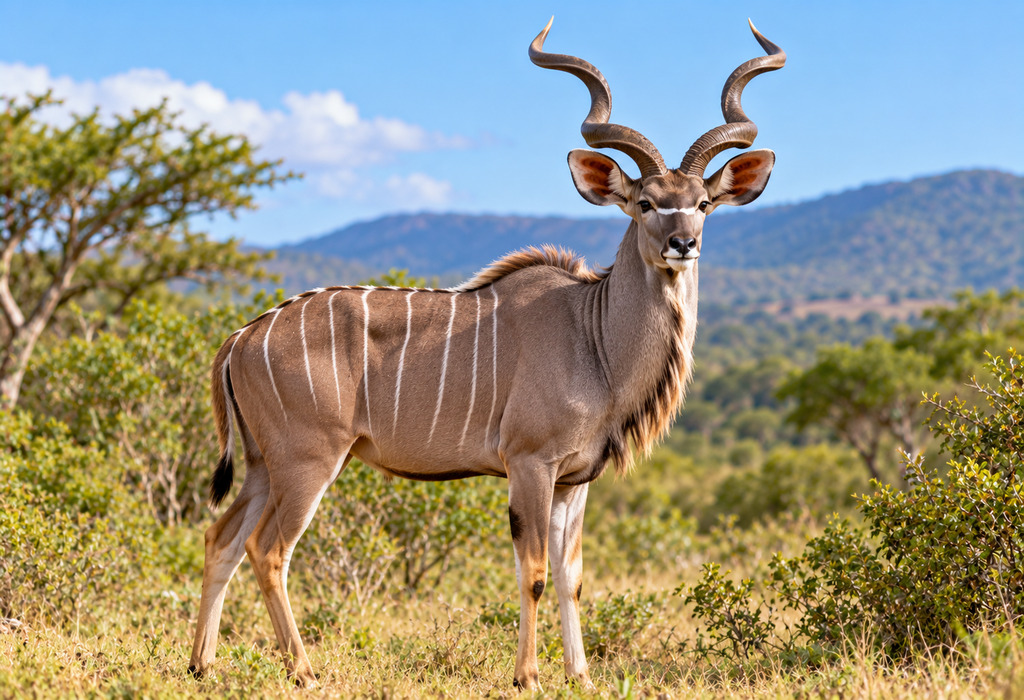
Scientific Name – Tragelaphus strepsiceros
Type of Animal – Mammal
Where They Live – Southern and eastern Africa
Fun Facts
- Kudu horns can grow over a metre long.
- Kudus can jump two-metre fences.
9. Kit Fox
The kit fox is a small desert fox with large ears.
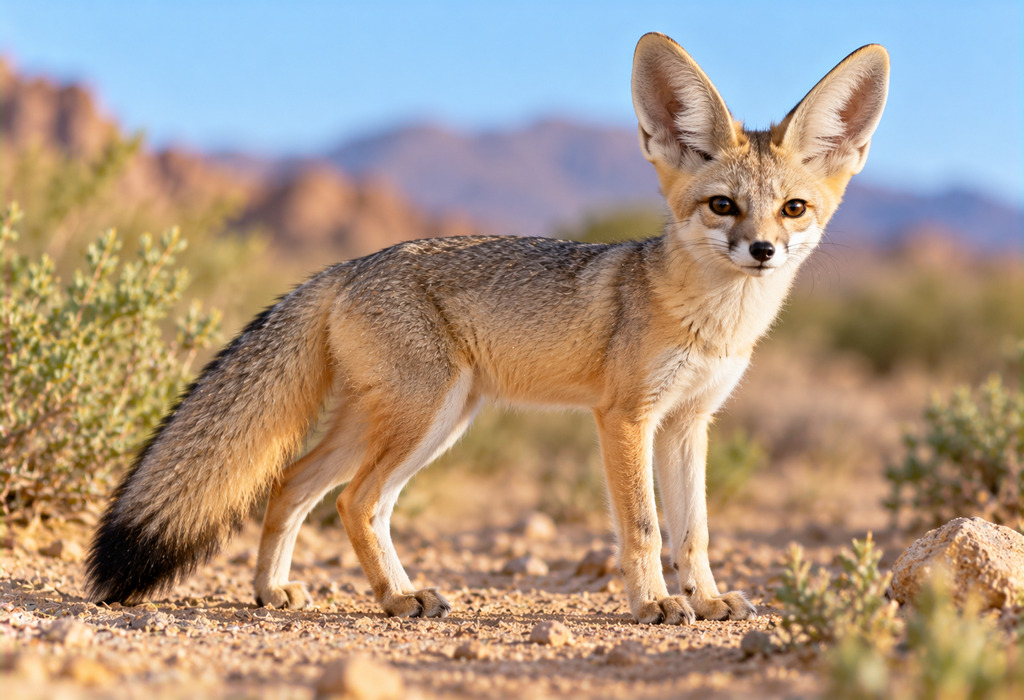
Scientific Name – Vulpes macrotis
Type of Animal – Mammal
Where They Live – North American deserts
Fun Facts
- Kit foxes hunt at night.
- Big ears help find buried prey.
10. King Penguin
King penguins are tall seabirds with orange neck patches.
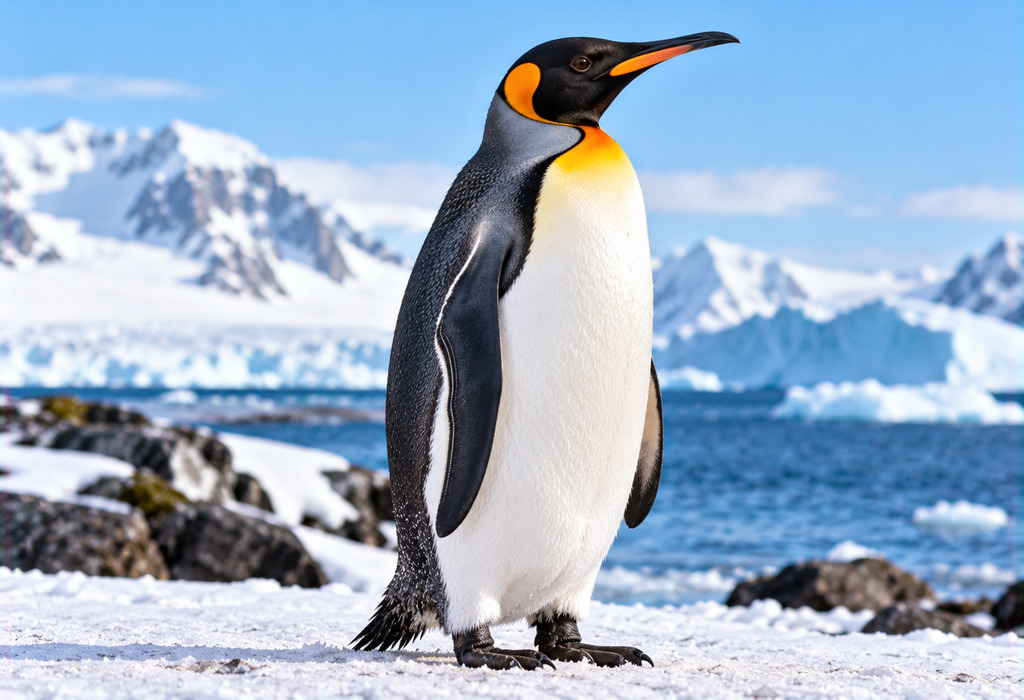
Scientific Name – Aptenodytes patagonicus
Type of Animal – Bird
Where They Live – Sub-Antarctic islands
Fun Facts
- They are the second-largest penguin.
- Chicks wear brown down.
11. Kookaburra
The kookaburra is an Australian bird with a laughing call.
Scientific Name – Dacelo novaeguineae
Type of Animal – Bird
Where They Live – Australian woodlands
Fun Facts
- Kookaburras eat snakes, lizards, and insects.
- Their call sounds like laughing.
12. Klipspringer
The klipspringer is a small antelope on rocky cliffs.
Scientific Name – Oreotragus oreotragus
Type of Animal – Mammal
Where They Live – Rocky hills of Africa
Fun Facts
- They walk on the tips of their hooves.
- They leap easily between rocks.
13. Koi Fish
Koi are colourful ornamental fish kept in garden ponds.
Scientific Name – Cyprinus rubrofuscus
Type of Animal – Fish
Where They Live – Ponds worldwide
Fun Facts
- Koi can live for several decades.
- No two koi look alike.
14. Katydid
Katydids are green insects related to grasshoppers, with leaf-like wings.
Scientific Name – Tettigoniidae
Type of Animal – Insect
Where They Live – Forests and grasslands
Fun Facts
- Katydids sing by rubbing their wings together.
- Their wings resemble real leaves.
15. Krill
Krill are tiny shrimp-like creatures at the base of ocean food chains.
Scientific Name – Euphausia superba
Type of Animal – Crustacean
Where They Live – Oceans near Antarctica
Fun Facts
- Huge krill swarms can stretch for kilometres.
- Whales and penguins eat krill.
16. Kite
Kites are birds of prey that soar high while hunting.
Scientific Name – Milvus milvus
Type of Animal – Bird
Where They Live – Skies over Europe and Africa
Fun Facts
- Kites steer with forked tails.
- They scavenge as well as hunt.
17. Kangaroo Rat
The kangaroo rat is a tiny rodent that hops on its back legs.
Scientific Name – Dipodomys
Type of Animal – Mammal
Where They Live – North American deserts
Fun Facts
- Kangaroo rats rarely drink water.
- They store seeds in pouches.
18. Kinkajou
The kinkajou is a small rainforest mammal with a long tail.
Scientific Name – Potos flavus
Type of Animal – Mammal
Where They Live – Central and South American rainforests
Fun Facts
- Kinkajous sleep in tree hollows.
- Their long tongue reaches honey.
19. Karakul Sheep
Karakul sheep are a hardy breed with curly wool.
Scientific Name – Ovis aries
Type of Animal – Mammal
Where They Live – Central Asian grasslands
Fun Facts
- Karakul is an ancient sheep breed.
- They thrive in dry climates.
20. Keel-Billed Toucan
The keel-billed toucan has a huge, colourful beak.
Scientific Name – Ramphastos sulfuratus
Type of Animal – Bird
Where They Live – Central and South American rainforests
Fun Facts
- Its beak nears its body length.
- The beak is very light.
21. King Crab
King crabs are large crustaceans with spiny shells in cold seas.
Scientific Name – Paralithodes camtschaticus
Type of Animal – Crustacean
Where They Live – North Pacific seas
Fun Facts
- Leg span can reach 1.5 metres.
- They grow by shedding their shell.
22. King Vulture
The king vulture is a striking bird soaring over tropical forests.
Scientific Name – Sarcoramphus papa
Type of Animal – Bird
Where They Live – Central and South American forests
Fun Facts
- Its head has no feathers at all.
- It cleans forests of dead animals.
23. Kestrel
The kestrel is a small falcon that hovers while hunting.
Scientific Name – Falco tinnunculus
Type of Animal – Bird
Where They Live – Fields across Europe and Africa
Fun Facts
- Kestrels spot mice from far above.
- They can see ultraviolet light.
24. King Snake
King snakes are non-venomous reptiles that eat other snakes.
Scientific Name – Lampropeltis getula
Type of Animal – Reptile
Where They Live – North and Central America
Fun Facts
- They resist many snake venoms.
- They squeeze prey to subdue it.
25. Kori Bustard
The kori bustard is one of the heaviest flying birds.
Scientific Name – Ardeotis kori
Type of Animal – Bird
Where They Live – Eastern and southern Africa
Fun Facts
- Kori bustards can weigh up to 19 kilograms.
- Males puff feathers to attract mates.
26. Kagu
The kagu is a rare, grey bird preferring walking to flying.
Scientific Name – Rhynochetos jubatus
Type of Animal – Bird
Where They Live – Forests of New Caledonia
Fun Facts
- Kagus have a feathery head crest.
- It symbolises New Caledonia.
27. Kiang
The kiang is the largest wild ass, roaming plateaus in herds.
Scientific Name – Equus kiang
Type of Animal – Mammal
Where They Live – Tibetan Plateau
Fun Facts
- Kiangs run fast across grassland.
- Herds follow an experienced female.
28. Kaka
The kaka is a forest parrot playful and curious.
Scientific Name – Nestor meridionalis
Type of Animal – Bird
Where They Live – New Zealand forests
Fun Facts
- Kakas dig into wood for grubs.
- They are close relatives of keas.
29. Kea
The kea is a clever mountain parrot that solves puzzles.
Scientific Name – Nestor notabilis
Type of Animal – Bird
Where They Live – New Zealand mountains
Fun Facts
- Keas rank among the smartest birds.
- They often investigate cars and gear.
30. King Eider
The king eider is a striking sea duck with a colourful face.
Scientific Name – Somateria spectabilis
Type of Animal – Bird
Where They Live – Arctic coasts
Fun Facts
- Males show an orange beak shield.
- They dive deep for shellfish.
31. Krait
The krait is a venomous, nocturnal snake found across Asia.
Scientific Name – Bungarus
Type of Animal – Reptile
Where They Live – South and Southeast Asia
Fun Facts
- Kraits hunt at night.
- Their venom outpowers a cobra’s.
32. Kob
The kob is a reddish-brown antelope grazing near rivers.
Scientific Name – Kobus kob
Type of Animal – Mammal
Where They Live – African river grasslands
Fun Facts
- Male kobs display to attract mates.
- Kobs outrun most predators.
33. Kangaroo Mouse
The kangaroo mouse is a tiny desert rodent that hops.
Scientific Name – Microdipodops
Type of Animal – Mammal
Where They Live – Western US deserts
Fun Facts
- They get water mostly from seeds.
- They store fat in their tails.
34. Kissing Gourami
The kissing gourami is a fish with a kiss-like mouth.
Scientific Name – Helostoma temminckii
Type of Animal – Fish
Where They Live – Southeast Asian rivers
Fun Facts
- The “kiss” tests rival strength.
- They are popular aquarium fish.
35. Kelpie
The kelpie is an energetic Australian herding dog.
Scientific Name – Canis lupus familiaris
Type of Animal – Mammal
Where They Live – Australian farms
Fun Facts
- Kelpies run along sheep flock backs.
- They herd livestock for hours.
36. King Charles Spaniel
The King Charles Spaniel is a small, affectionate companion dog.
Scientific Name – Canis lupus familiaris
Type of Animal – Mammal
Where They Live – Homes worldwide
Fun Facts
- It is named after King Charles II.
- The breed has a gentle nature.
37. Kingfish
Kingfish are fast-swimming ocean fish prized by anglers.
Scientific Name – Scomberomorus cavalla
Type of Animal – Fish
Where They Live – Warm coastal oceans
Fun Facts
- Kingfish swim in fast bursts.
- Also known as king mackerel.
38. Killdeer
The killdeer is a plover faking a broken wing to protect its nest.
Scientific Name – Charadrius vociferus
Type of Animal – Bird
Where They Live – North American fields
Fun Facts
- Nests are simple scrapes on bare ground.
- Parents fake injury to lure predators.
39. Knifefish
Knifefish are slender freshwater fish swimming with a long belly fin.
Scientific Name – Gymnotiformes
Type of Animal – Fish
Where They Live – Central and South American rivers
Fun Facts
- Some sense prey via electric fields.
- They swim backwards just as easily.
40. King Salmon
King salmon, or chinook salmon, are the largest Pacific salmon.
Scientific Name – Oncorhynchus tshawytscha
Type of Animal – Fish
Where They Live – North Pacific waters
Fun Facts
- King salmon can weigh over 40kg.
- They swim upstream to spawn.
Learning about every animal name start with alphabet k helps children build vocabulary while exploring the natural world. From tiny katydids to massive komodo dragons, this list shows how varied K life can be. Parents and teachers can use these facts to spark curiosity about wildlife and science. Encourage children to pick a favourite and learn more about it.
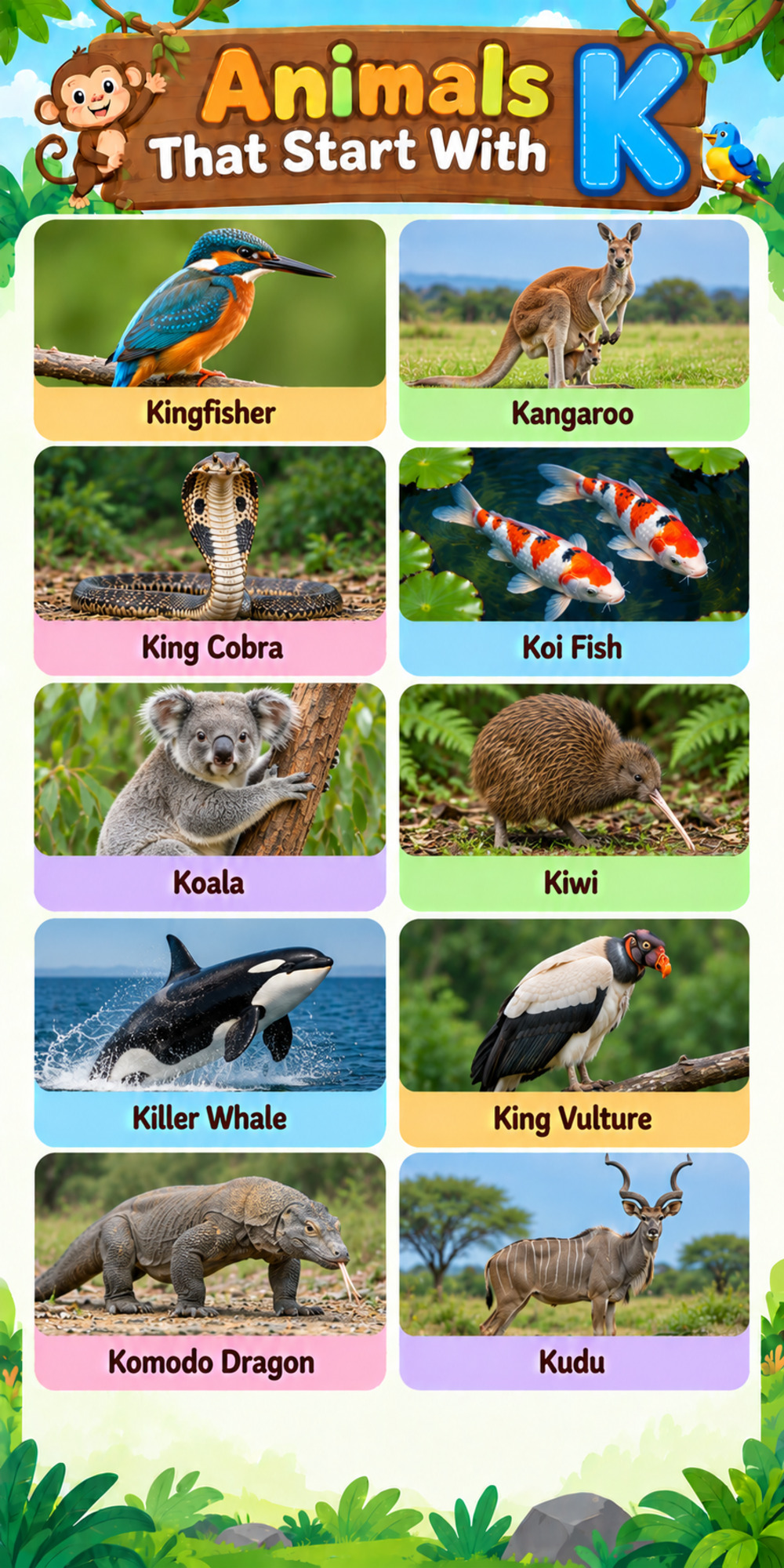
Infographic – Animals Starting With Letter K
Also Read: Animals That Begin With Letter A to Z