

Have you ever wondered how many creatures have names beginning with the letter N? From the tusked narwhal to the tiny newt, the animal kingdom is full of surprises. If you are searching for every animal begin with n, you are in the right place. This fun list is perfect for young learners and curious kids who love discovering new species. Get ready to explore amazing animals, one at a time.
Animals Names Beginning With N
Learning about animals starting with letter n is a great way to build vocabulary while having fun. Below is an animal name start with alphabet n for every entry, with fun facts kids will enjoy.
1. Narwhal
A whale known for the long, spiral tusk on its head.
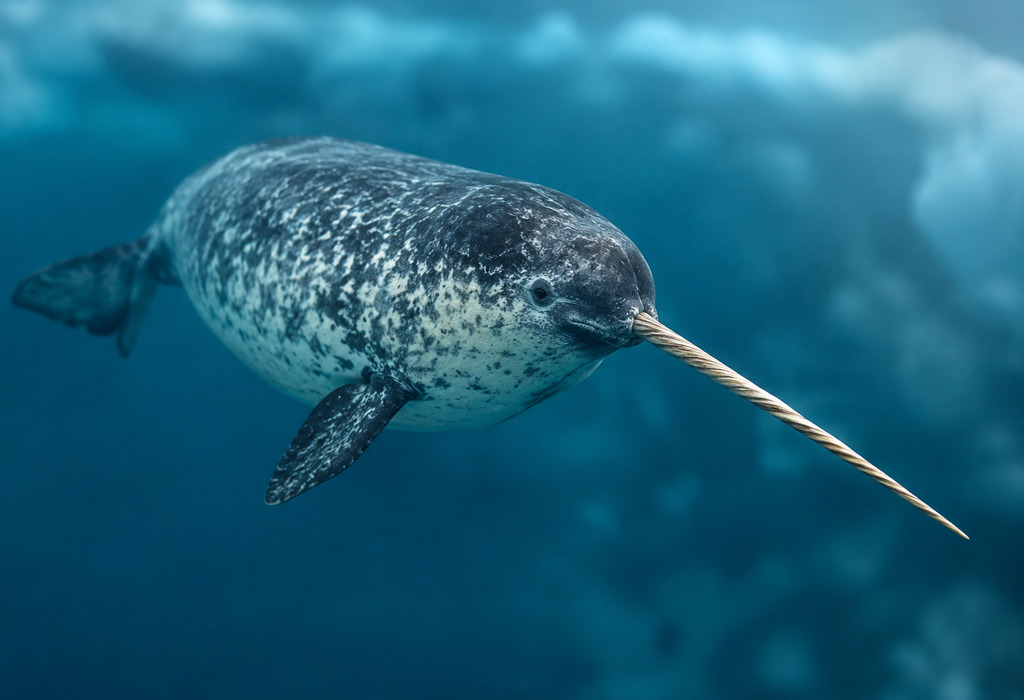
Scientific Name – Monodon monoceros
Type of Animal – Mammal
Where They Live – Arctic Ocean waters
Fun Facts
- Its tusk is really a long tooth, growing up to 10 feet.
- Narwhals are called “unicorns of the sea.”
2. Newt
A small, colorful amphibian that lives in water and on land.
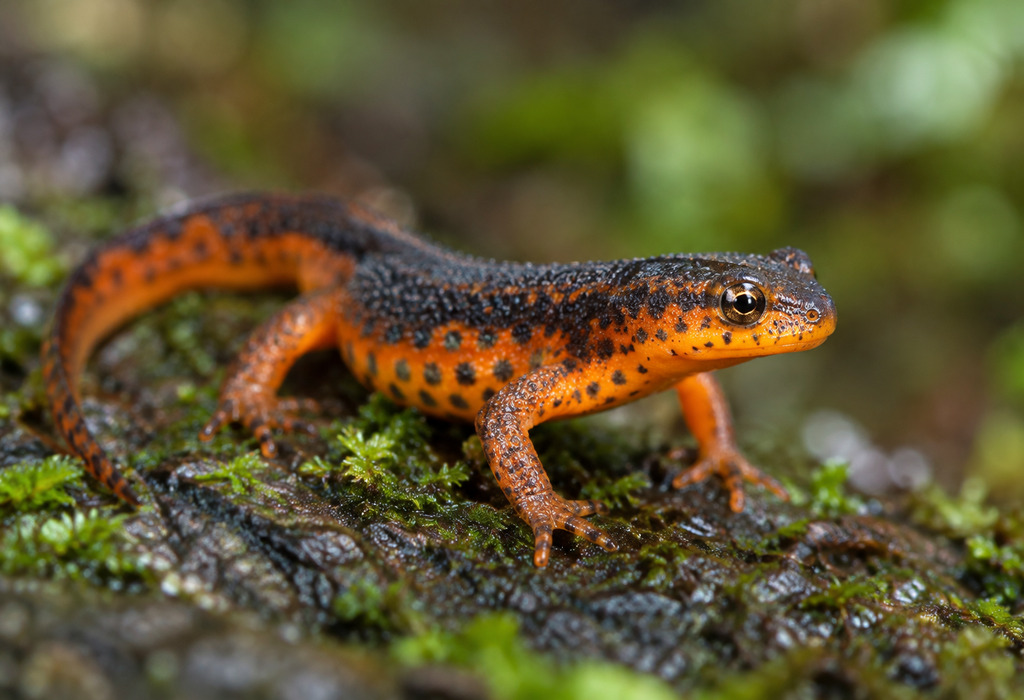
Scientific Name – Pleurodelinae
Type of Animal – Amphibian
Where They Live – Ponds and damp forests
Fun Facts
- Newts can regrow lost limbs and parts of their heart.
- Bright colors warn predators that some newts are toxic.
3. Nightingale
A small brown bird famous for its beautiful, powerful song.
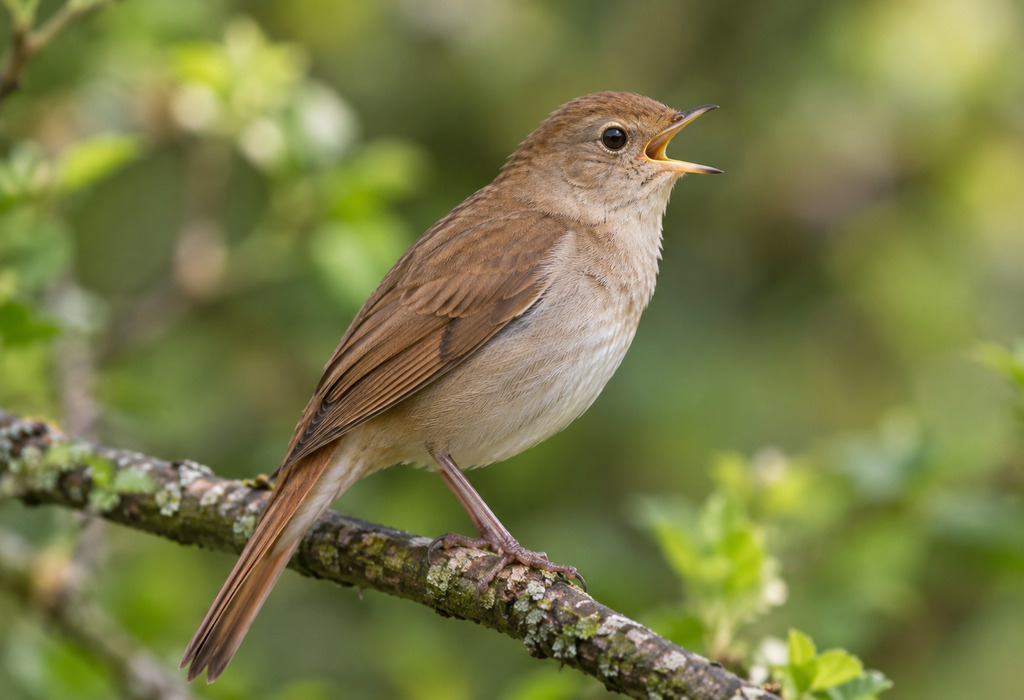
Scientific Name – Luscinia megarhynchos
Type of Animal – Bird
Where They Live – Woodlands across Europe and Asia
Fun Facts
- It often sings at night, which gave it its name.
- One bird can know over 200 different songs.
4. Numbat
A small, striped marsupial that loves eating termites.
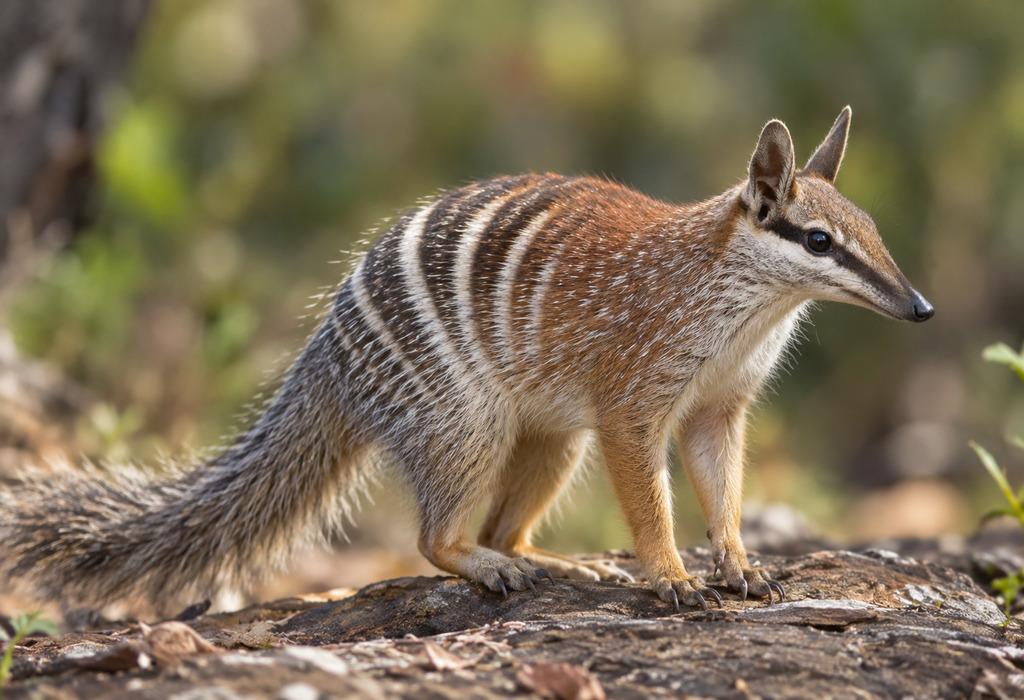
Scientific Name – Myrmecobius fasciatus
Type of Animal – Mammal
Where They Live – Forests in Western Australia
Fun Facts
- It can eat up to 20,000 termites in one day.
- Unlike most marsupials, numbats are active in daylight.
5. Nurse Shark
A calm, slow-moving shark that rests on the ocean floor.
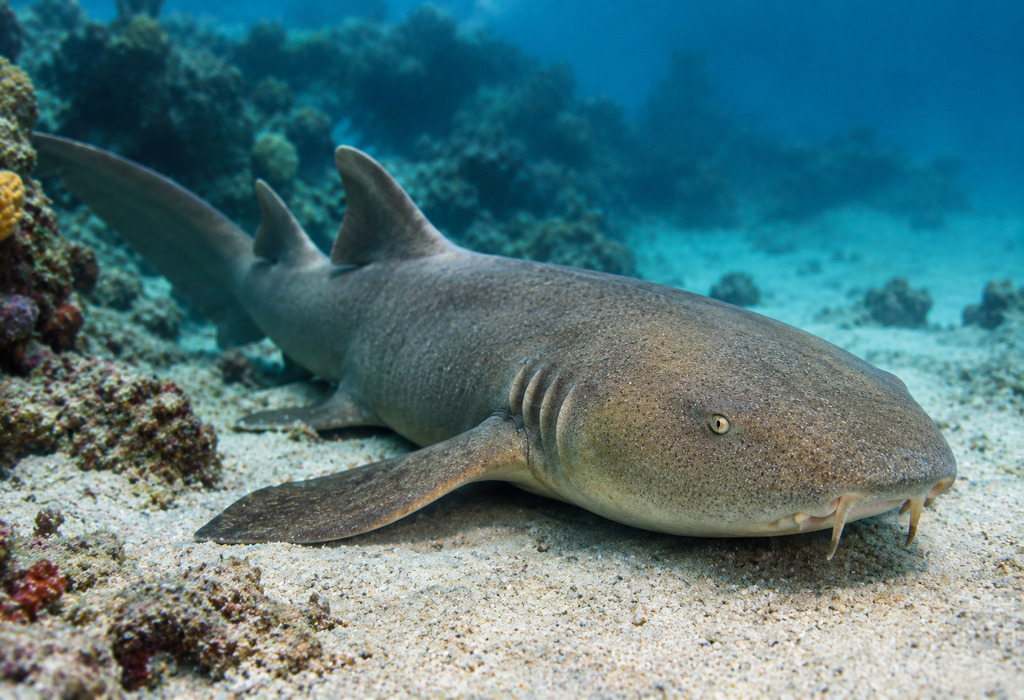
Scientific Name – Ginglymostoma cirratum
Type of Animal – Fish
Where They Live – Warm, shallow ocean waters
Fun Facts
- It can breathe while lying perfectly still.
- Whisker-like barbels help it find food in the sand.
6. Nile Crocodile
One of the largest and most powerful reptiles in Africa.
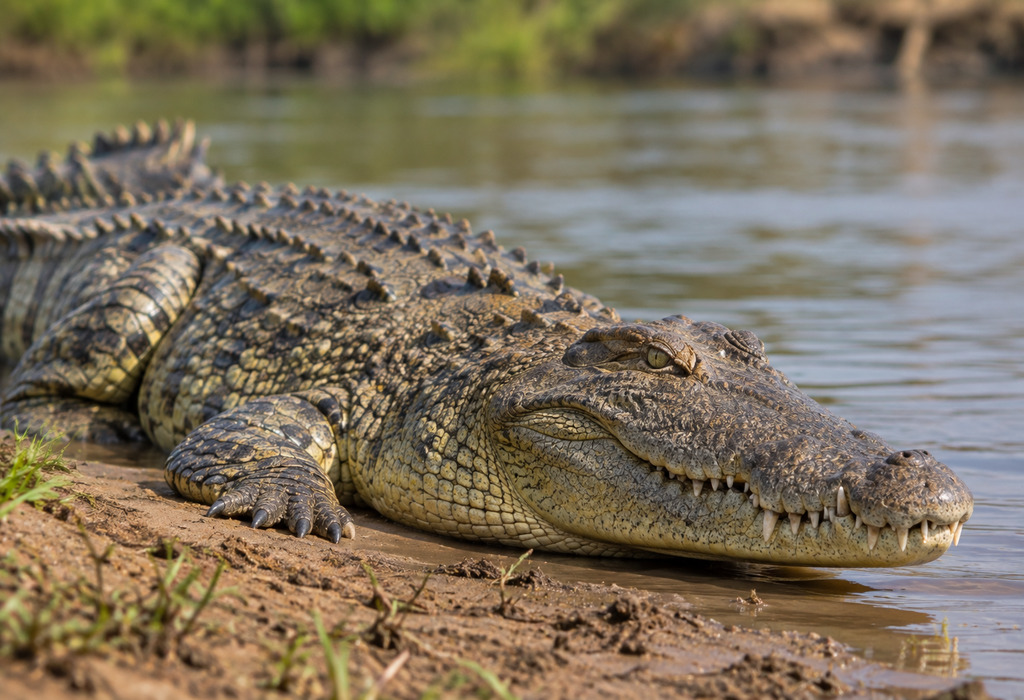
Scientific Name – Crocodylus niloticus
Type of Animal – Reptile
Where They Live – Rivers and lakes in Africa
Fun Facts
- It can hold its breath underwater for over an hour.
- Some Nile crocodiles live for more than 70 years.
7. Northern Cardinal
A bright red songbird often seen at backyard feeders.
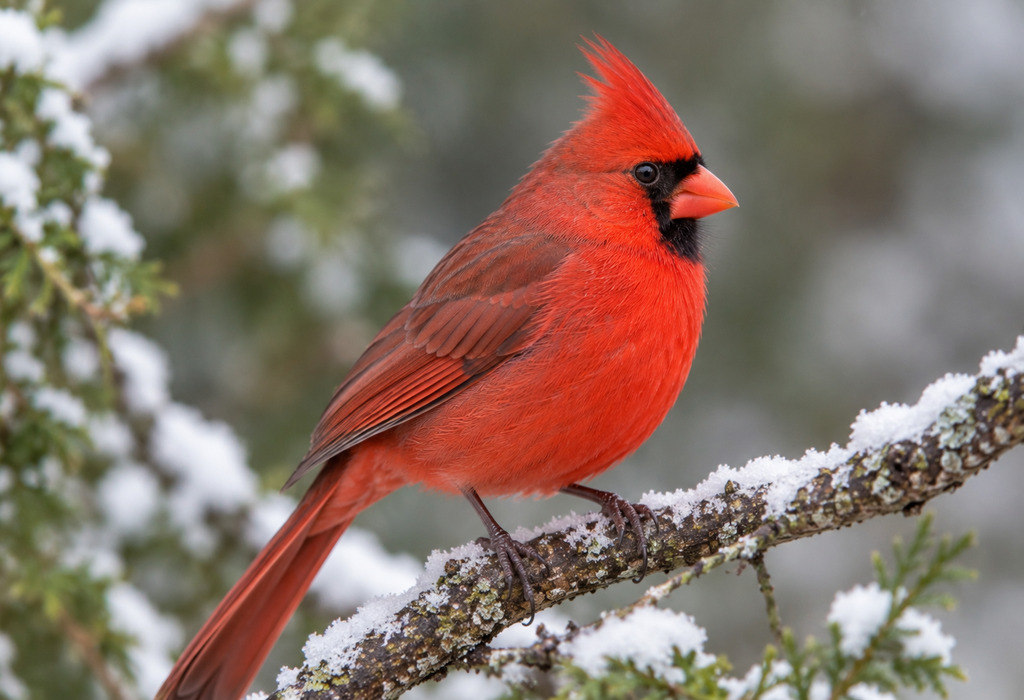
Scientific Name – Cardinalis cardinalis
Type of Animal – Bird
Where They Live – Gardens across North America
Fun Facts
- Only males are bright red; females are soft brown.
- Cardinals stay put through winter instead of migrating.
8. Nine-Banded Armadillo
An armadillo with a hard, bony shell made of nine bands.
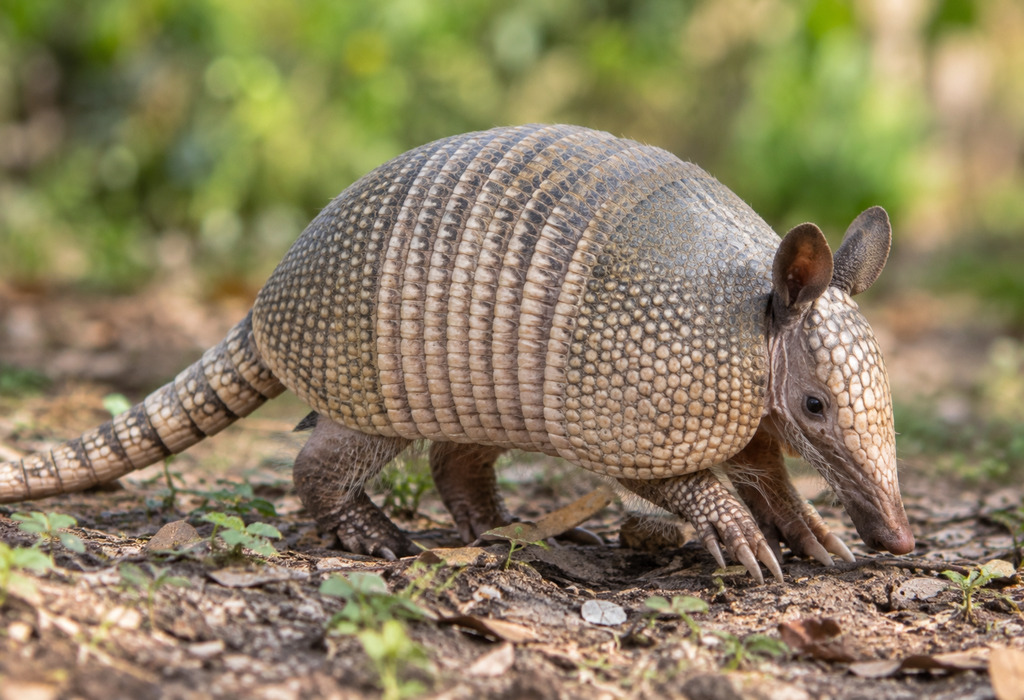
Scientific Name – Dasypus novemcinctus
Type of Animal – Mammal
Where They Live – Grasslands across the Americas
Fun Facts
- It can hold its breath for several minutes while digging.
- It almost always gives birth to four identical babies.
9. Newfoundland Dog
A giant, gentle dog breed famous for loving water.
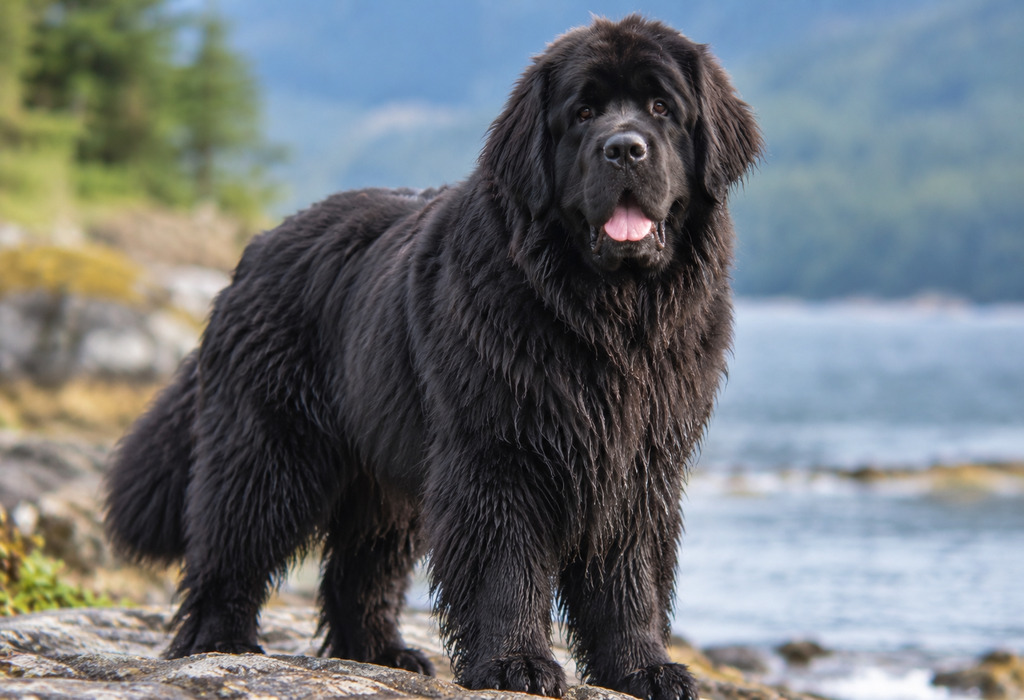
Scientific Name – Canis lupus familiaris
Type of Animal – Mammal
Where They Live – Kept as pets worldwide
Fun Facts
- Webbed feet make it an excellent swimmer.
- It was bred to help fishermen pull nets from water.
10. Naked Mole Rat
A wrinkly, nearly hairless rodent that lives underground.
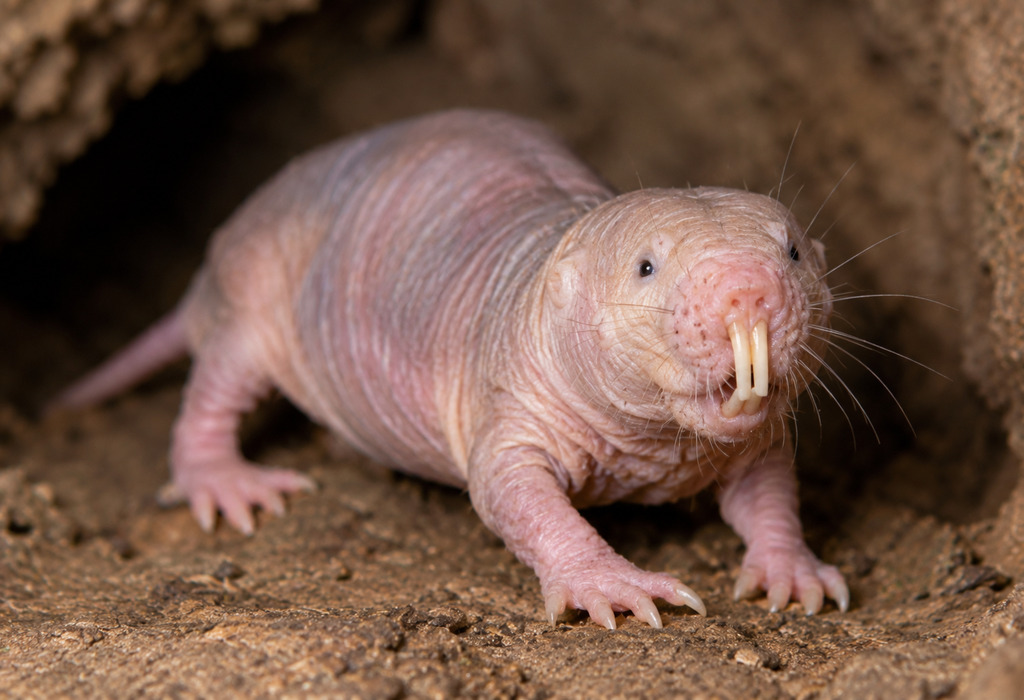
Scientific Name – Heterocephalus glaber
Type of Animal – Mammal
Where They Live – Underground burrows in East Africa
Fun Facts
- It can live over 30 years, unusual for a rodent.
- Scientists are fascinated that it rarely gets cancer.
11. North American Beaver
A hardworking rodent known for building dams from sticks and mud.
Scientific Name – Castor canadensis
Type of Animal – Mammal
Where They Live – Rivers and streams in North America
Fun Facts
- Its front teeth never stop growing.
- Some beaver dams are large enough to see from space.
12. Nautilus
An ocean creature with a beautiful spiral-shaped shell.
Scientific Name – Nautilus pompilius
Type of Animal – Mollusk
Where They Live – Deep Indian and Pacific waters
Fun Facts
- It can have up to 90 small tentacles.
- Gas-filled shell chambers help it float in the water.
13. Nyala
A graceful African antelope with spiral horns and striped fur.
Scientific Name – Tragelaphus angasii
Type of Animal – Mammal
Where They Live – Woodlands in southern Africa
Fun Facts
- Only male nyalas grow long, twisted horns.
- They can leap high in the air when startled.
14. Northern Saw-Whet Owl
One of the smallest owls found in North America.
Scientific Name – Aegolius acadicus
Type of Animal – Bird
Where They Live – Forests across the U.S. and Canada
Fun Facts
- It is about the size of a soda can.
- Its call sounds like a saw being sharpened.
15. Norwegian Forest Cat
A fluffy cat breed built to survive cold, snowy climates.
Scientific Name – Felis catus
Type of Animal – Mammal
Where They Live – Kept as pets worldwide
Fun Facts
- A thick double coat keeps it warm in the cold.
- It is an excellent climber that loves high places.
16. Nubian Goat
A goat known for its long, floppy ears and friendly nature.
Scientific Name – Capra aegagrus hircus
Type of Animal – Mammal
Where They Live – Farms around the world
Fun Facts
- It is known for producing extra creamy milk.
- It has a curved “Roman nose” shape.
17. Needlefish
A long, thin fish with a narrow, tooth-filled jaw.
Scientific Name – Belonidae
Type of Animal – Fish
Where They Live – Warm coastal waters worldwide
Fun Facts
- It can leap from the water and glide briefly.
- Its bones are green, a rare trait among fish.
18. Northern Fur Seal
A seal species with one of the thickest fur coats around.
Scientific Name – Callorhinus ursinus
Type of Animal – Mammal
Where They Live – North Pacific Ocean
Fun Facts
- Its fur has up to 300,000 hairs per square inch.
- Pups can recognize their mother’s voice in a crowd.
19. Nutria
A large, semi-aquatic rodent with orange-colored front teeth.
Scientific Name – Myocastor coypus
Type of Animal – Mammal
Where They Live – Wetlands in South America
Fun Facts
- Webbed hind feet help it swim quickly.
- Its fur is naturally waterproof.
20. Northern Pike
A fast, sharp-toothed predator found in freshwater lakes.
Scientific Name – Esox lucius
Type of Animal – Fish
Where They Live – Lakes across the Northern Hemisphere
Fun Facts
- It can grow over four feet long.
- It is nicknamed the “water wolf” for its hunting skill.
21. Nile Perch
One of the largest freshwater fish in the world.
Scientific Name – Lates niloticus
Type of Animal – Fish
Where They Live – Rivers and lakes in Africa
Fun Facts
- It can weigh over 400 pounds when fully grown.
- Strong night vision helps it hunt after dark.
22. Nile Monitor
A large, powerful lizard found near African waterways.
Scientific Name – Varanus niloticus
Type of Animal – Reptile
Where They Live – Rivers and swamps in Africa
Fun Facts
- It is a strong swimmer that can hold its breath.
- Its forked tongue helps it smell out food.
23. Neon Tetra
A tiny, brightly colored fish popular in home aquariums.
Scientific Name – Paracheirodon innesi
Type of Animal – Fish
Where They Live – Amazon rainforest streams
Fun Facts
- Its blue and red stripes glow under aquarium light.
- It swims in groups called schools for safety.
24. Nightjar
A nocturnal bird known for its camouflaged feathers.
Scientific Name – Caprimulgidae
Type of Animal – Bird
Where They Live – Woodlands on most continents
Fun Facts
- It rests flat on the ground, blending in like a leaf.
- It catches insects in midair with its wide mouth.
25. Northern Goshawk
A powerful hawk known for its speed and sharp eyesight.
Scientific Name – Accipiter gentilis
Type of Animal – Bird
Where They Live – Forests across the Northern Hemisphere
Fun Facts
- It can chase prey through dense trees at high speed.
- Females are noticeably larger than males.
26. Northern Flicker
A colorful woodpecker often seen feeding on the ground.
Scientific Name – Colaptes auratus
Type of Animal – Bird
Where They Live – Parks and forests in North America
Fun Facts
- Unlike most woodpeckers, it often eats ants on the ground.
- Its wings flash bright yellow or red in flight.
27. New Zealand Sea Lion
One of the rarest and most endangered sea lion species.
Scientific Name – Phocarctos hookeri
Type of Animal – Mammal
Where They Live – Coasts of New Zealand
Fun Facts
- It is one of the rarest sea lions in the world.
- Mothers care closely for pups for almost a year.
28. Nazca Booby
A large seabird known for its bright orange beak.
Scientific Name – Sula granti
Type of Animal – Bird
Where They Live – Pacific islands like the Galápagos
Fun Facts
- It dives into the ocean at high speed for fish.
- It has bright white feathers with black wingtips.
29. Numbfish
A type of electric ray that can produce a mild shock.
Scientific Name – Narcinidae
Type of Animal – Fish
Where They Live – Shallow warm coastal waters
Fun Facts
- It uses electric shocks to stun prey and predators.
- It often buries itself in sand on the seafloor.
30. Nubian Ibex
A wild goat known for its long, curved horns.
Scientific Name – Capra nubiana
Type of Animal – Mammal
Where They Live – Rocky deserts in the Middle East
Fun Facts
- It can climb steep, rocky cliffs with amazing balance.
- Its horns can grow longer than its whole body.
31. North American Porcupine
A spiky rodent covered in thousands of sharp quills.
Scientific Name – Erethizon dorsatum
Type of Animal – Mammal
Where They Live – Forests across North America
Fun Facts
- It can carry around 30,000 quills on its body.
- It is a surprisingly skilled tree climber.
32. Norwegian Lemming
A small, round rodent known for sudden population booms.
Scientific Name – Lemmus lemmus
Type of Animal – Mammal
Where They Live – Mountains of Scandinavia
Fun Facts
- Its population can grow extremely fast in a few years.
- It is more brightly colored than most small rodents.
33. Night Monkey
The only truly nocturnal monkey species in the world.
Scientific Name – Aotus
Type of Animal – Mammal
Where They Live – Rainforests of Central and South America
Fun Facts
- Huge eyes help it see clearly in the dark.
- It often forms close pairs that mate for life.
34. Netted Dragon
A small, patterned lizard found in dry, sandy regions.
Scientific Name – Ctenophorus nuchalis
Type of Animal – Reptile
Where They Live – Deserts across Australia
Fun Facts
- It can run quickly on its back legs to escape danger.
- Its skin pattern blends perfectly into sandy ground.
35. Nase
A freshwater fish with a distinctive downward-facing mouth.
Scientific Name – Chondrostoma nasus
Type of Animal – Fish
Where They Live – Rivers across Europe
Fun Facts
- Its mouth shape helps it scrape algae off rocks.
- It often swims together in large schools.
36. Noddy
A seabird known for nodding its head during courtship.
Scientific Name – Anous
Type of Animal – Bird
Where They Live – Tropical islands worldwide
Fun Facts
- Its name comes from its head-bobbing behavior.
- It often nests in large, noisy island colonies.
37. Night Heron
A stocky wading bird that hunts mostly after dark.
Scientific Name – Nycticorax nycticorax
Type of Animal – Bird
Where They Live – Wetlands on most continents
Fun Facts
- Bright red eyes help it see in low light.
- It stands still for long periods waiting to catch fish.
38. Nurse Hound
A small, spotted shark also known as the bull huss.
Scientific Name – Scyliorhinus stellaris
Type of Animal – Fish
Where They Live – Rocky seabeds off Europe
Fun Facts
- It lays eggs in tough, leathery cases.
- It rests by day and hunts by night.
39. Nubian Vulture
Also called the lappet-faced vulture, one of Africa’s largest scavengers.
Scientific Name – Torgos tracheliotos
Type of Animal – Bird
Where They Live – Savannas across Africa
Fun Facts
- Its powerful beak can tear through tough animal hide.
- Its wingspan can stretch nearly nine feet wide.
40. Northern Bobwhite
A small, round quail known for its whistling call.
Scientific Name – Colinus virginianus
Type of Animal – Bird
Where They Live – Grasslands in the eastern U.S.
Fun Facts
- Its name comes from its “bob-white” whistling sound.
- It often travels in small groups called coveys.
From icy Arctic waters to sunny African savannas, animals that start with N truly come from every corner of the world. This list shows how diverse nature can be, with mammals, birds, fish, reptiles, and amphibians all represented. Whether it is the tusked narwhal or the tiny neon tetra, each animal offers something special for young readers to discover. We hope this journey through the letter N has sparked curiosity and a love for wildlife in every child.
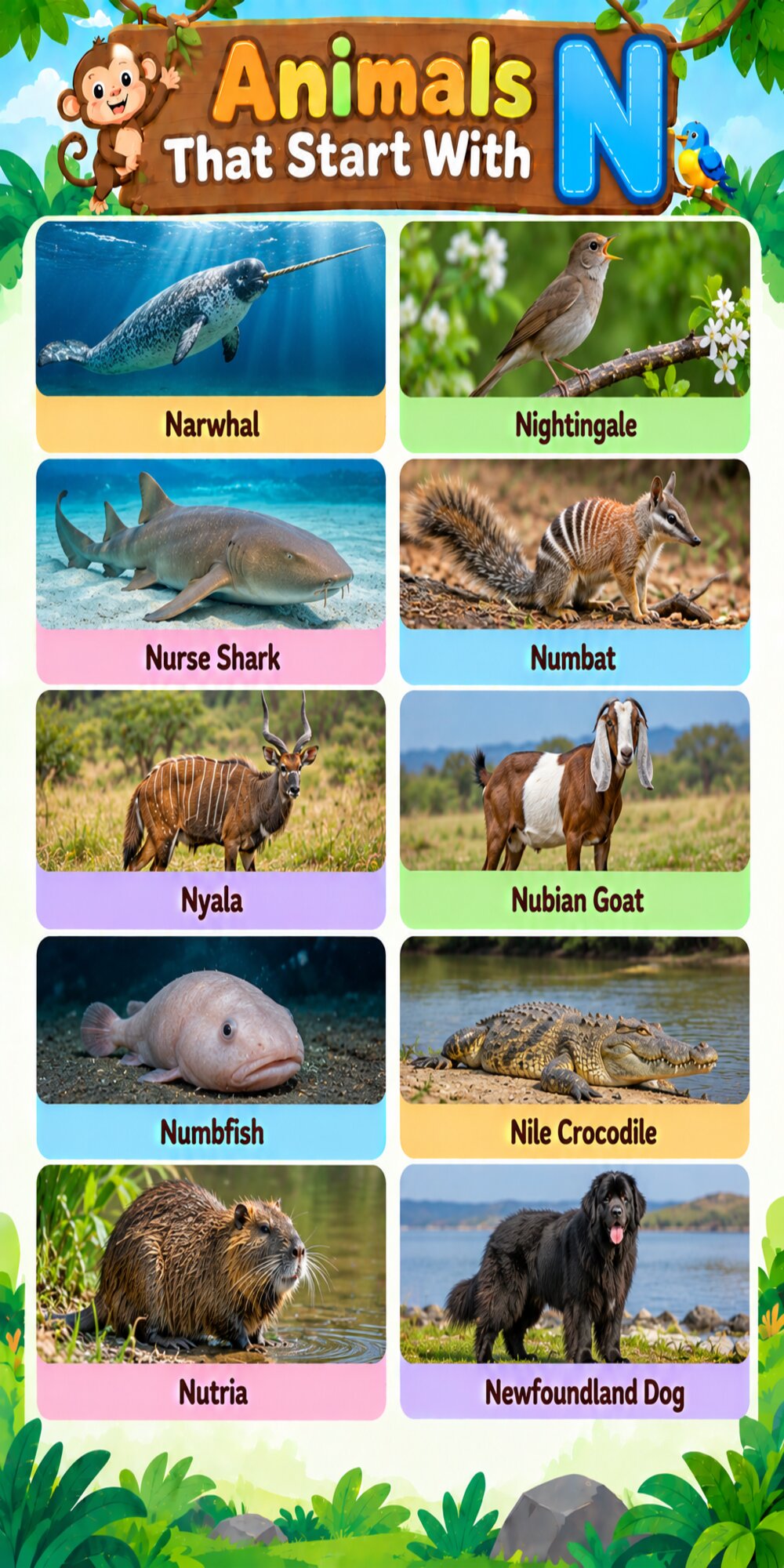
Infographic – Animals Starting With Letter N
Also Read: Animals That Begin With Letter A to Z