

Kids love learning fun new words, and animal names are always a great place to start! If your child is curious about every animal begin with p, you have come to the right place. From the icy penguin to the sneaky python, the letter P introduces us to some of the most fascinating creatures on the planet. This friendly, easy-to-read guide brings together 40 amazing animals, each with simple facts about where they live, what they look like, and why they are so special. Get ready for a fun animal adventure!
Animals Names Beginning With P
There are so many wonderful animals starting with letter p that live all across the world, from snowy poles to warm jungles. Below is a simple list of animals that children will enjoy discovering.
1. Panda
Pandas are gentle black-and-white bears that spend most of their day munching on bamboo.
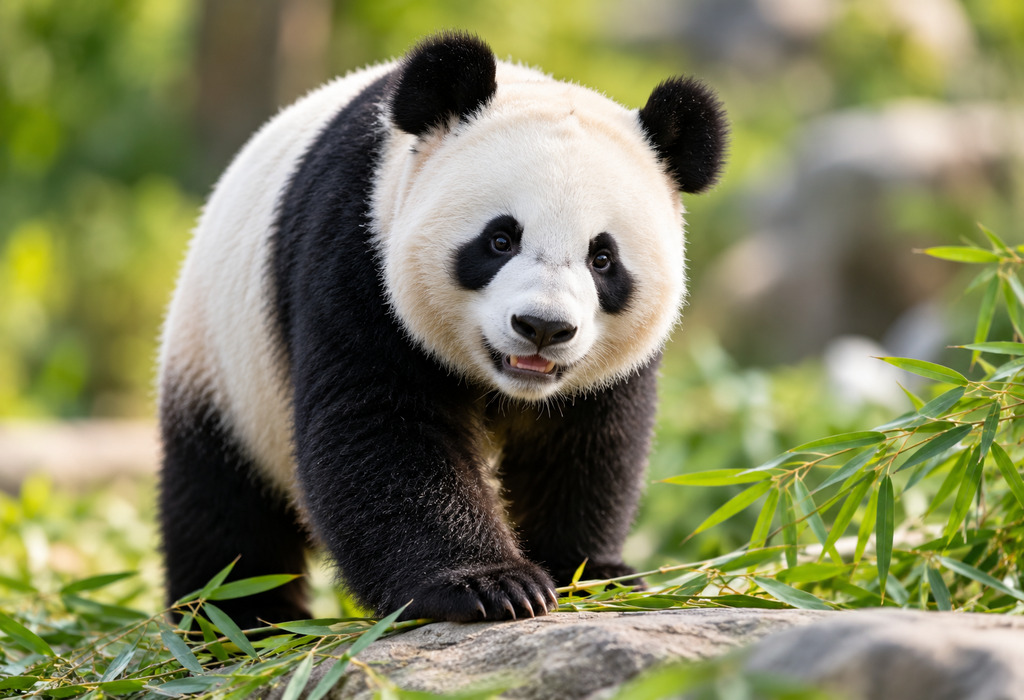
Scientific Name – Ailuropoda melanoleuca
Type of Animal – Mammal
Where They Live – Bamboo forests in the mountains of China
Fun Facts
- Pandas can eat up to 12 hours a day.
- A baby panda is smaller than a mouse when born.
2. Penguin
Penguins are flightless birds that waddle on land but swim gracefully underwater.
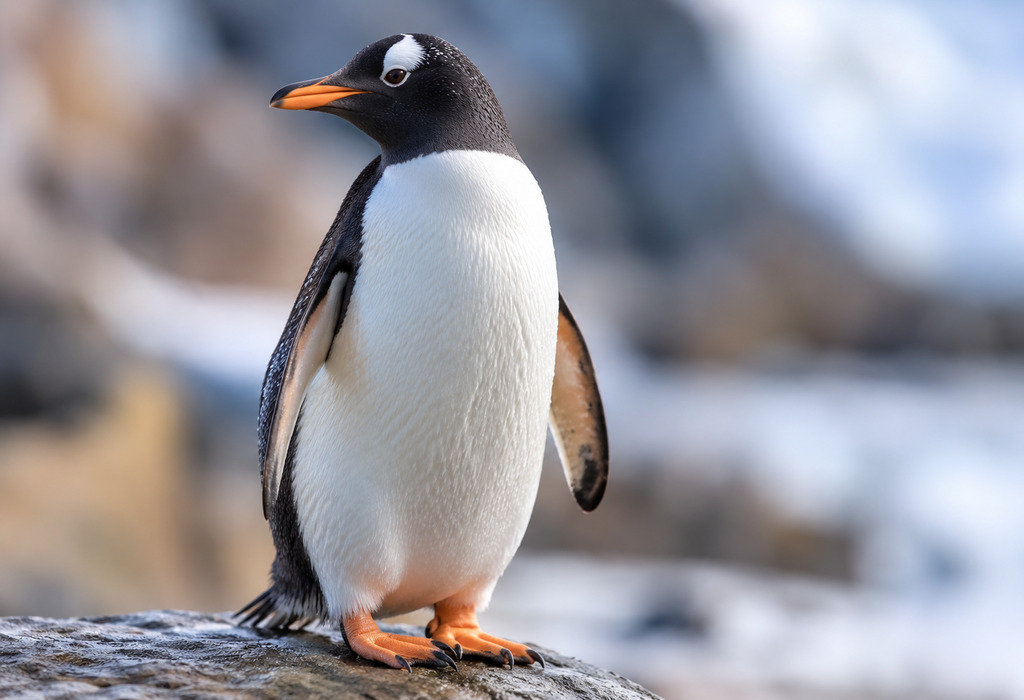
Scientific Name – Spheniscidae (family name)
Type of Animal – Bird
Where They Live – Antarctica and other cold southern coastlines
Fun Facts
- Penguins huddle together to stay warm.
- They can hold their breath for several minutes underwater.
3. Parrot
Parrots are colorful birds famous for their ability to copy human speech.
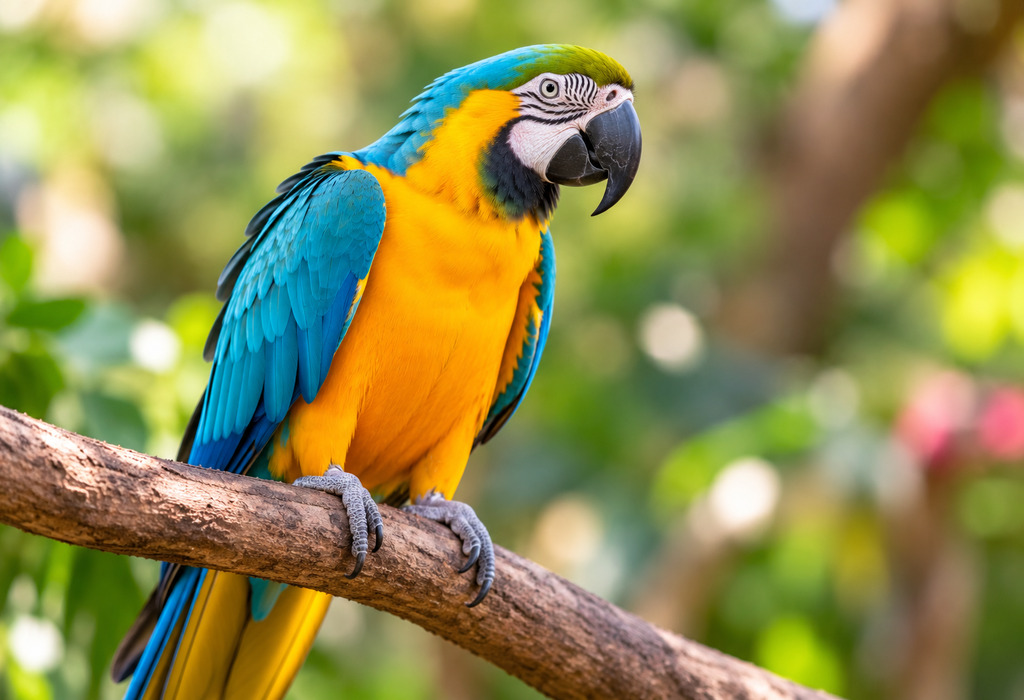
Scientific Name – Psittaciformes (order name)
Type of Animal – Bird
Where They Live – Tropical rainforests around the world
Fun Facts
- Some parrots can live for over 50 years.
- They use their strong beaks to crack open nuts.
4. Pig
Pigs are smart, curious farm animals that love to roll around in mud.
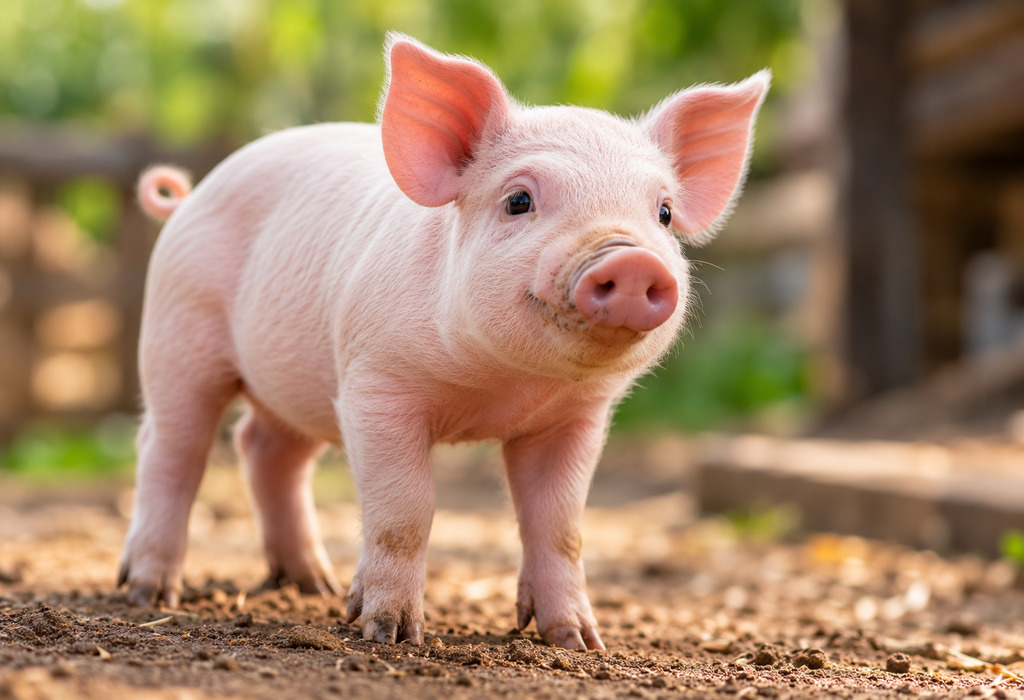
Scientific Name – Sus scrofa domesticus
Type of Animal – Mammal
Where They Live – Farms all over the world
Fun Facts
- Pigs are considered one of the smartest farm animals.
- Mud helps pigs cool down since they cannot sweat.
5. Peacock
Peacocks are known for their huge, colorful tail feathers that open like a fan.
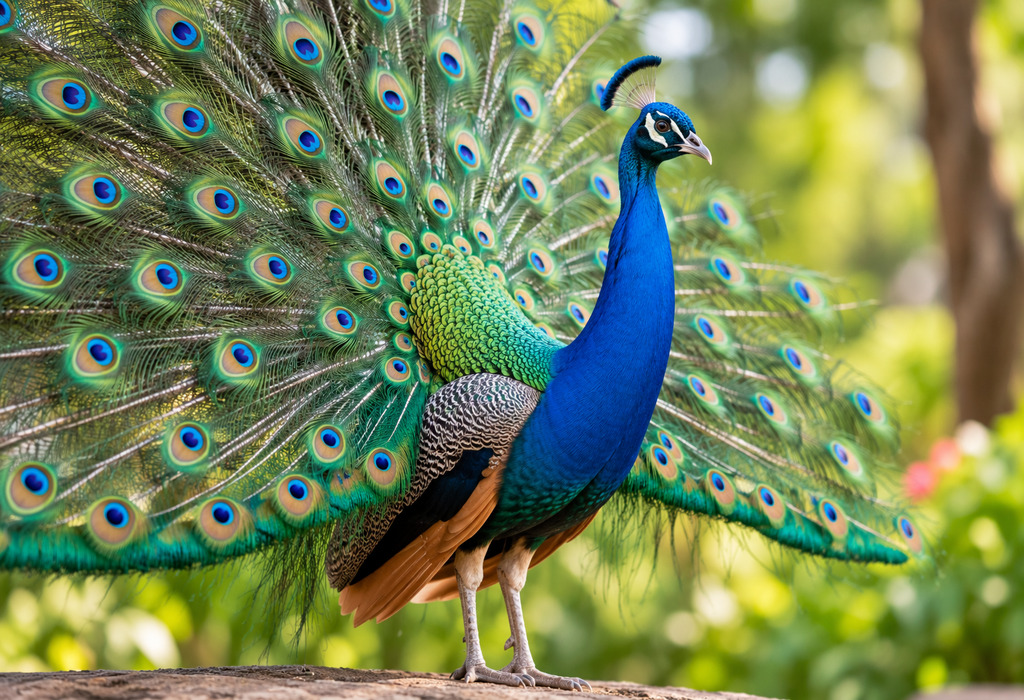
Scientific Name – Pavo cristatus
Type of Animal – Bird
Where They Live – Forests and farmland in South Asia
Fun Facts
- Only male peacocks have the colorful tail feathers.
- A peacock’s tail can have over 100 feathers.
6. Pony
Ponies are small, sturdy horses that are gentle and easy for children to ride.
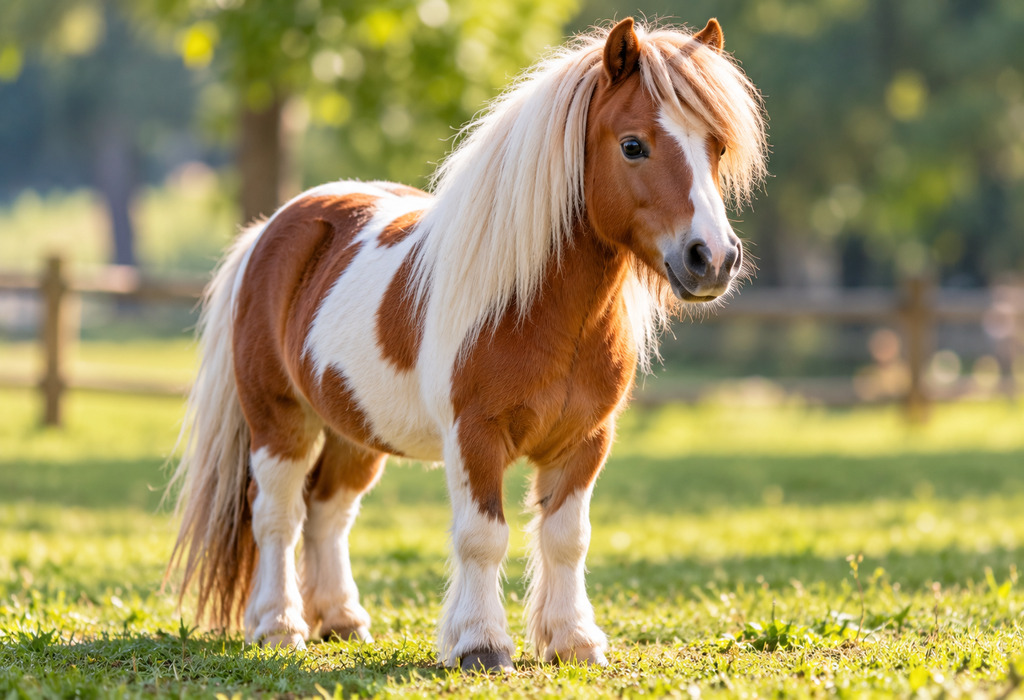
Scientific Name – Equus ferus caballus
Type of Animal – Mammal
Where They Live – Farms and grasslands worldwide
Fun Facts
- Ponies are usually shorter than 14.2 hands tall.
- They can be very strong for their small size.
7. Puffin
Puffins are seabirds with colorful beaks that look like they are wearing clown makeup.
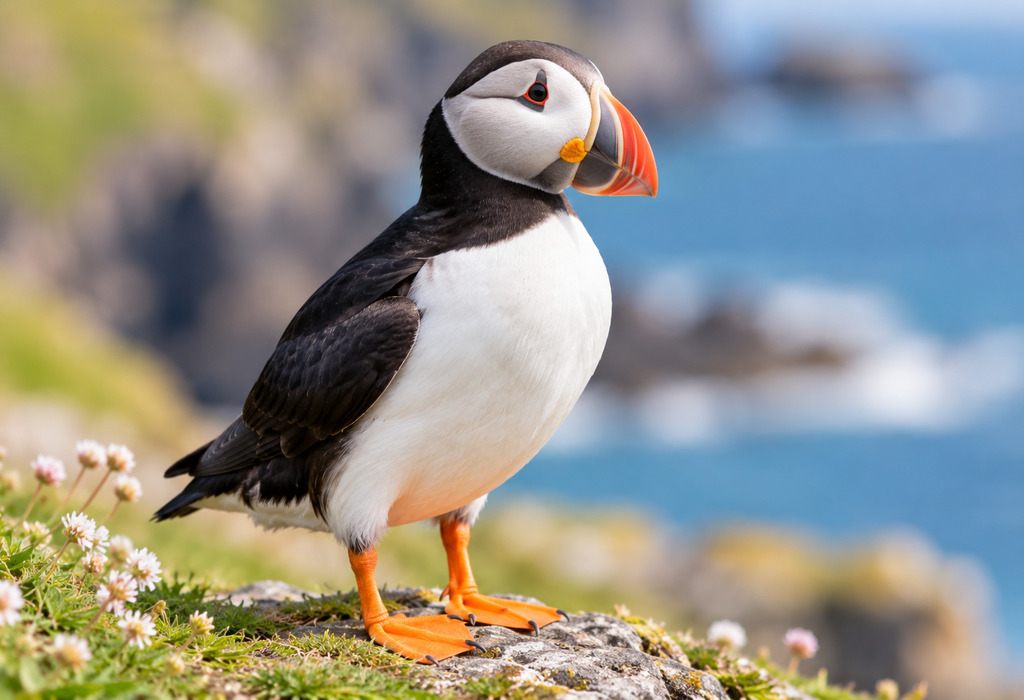
Scientific Name – Fratercula arctica
Type of Animal – Bird
Where They Live – Rocky cliffs near the North Atlantic Ocean
Fun Facts
- Puffins can flap their wings up to 400 times a minute.
- They dive underwater to catch small fish.
8. Python
Pythons are large snakes that squeeze their prey instead of using venom.
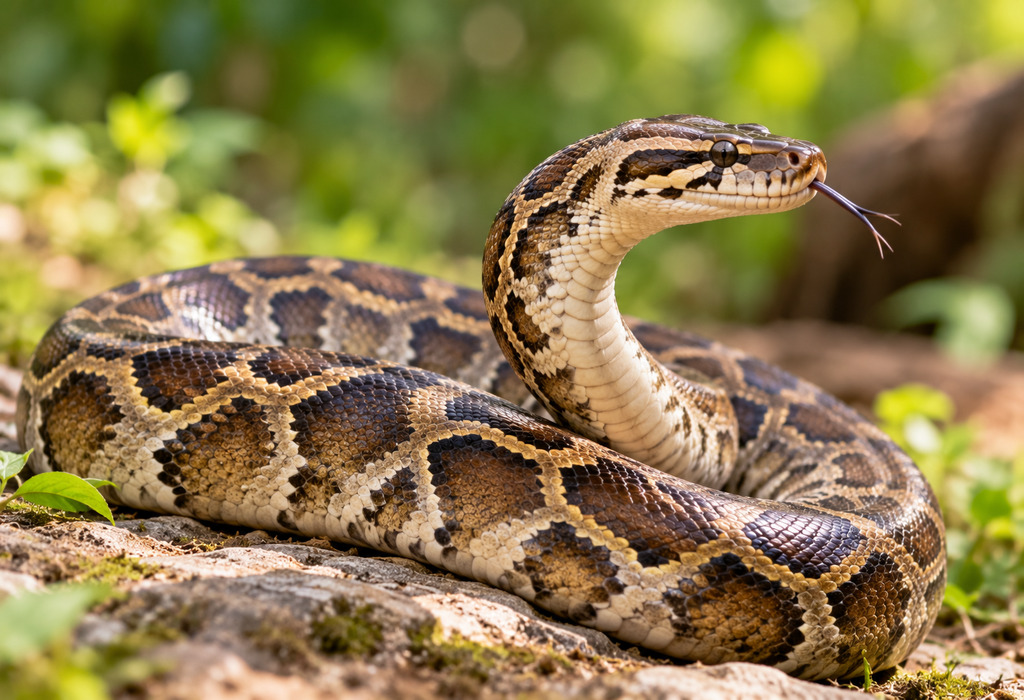
Scientific Name – Pythonidae (family name)
Type of Animal – Reptile
Where They Live – Jungles and grasslands in Asia, Africa, and Australia
Fun Facts
- Pythons can go weeks without eating after a big meal.
- Some pythons can grow longer than a school bus.
9. Pelican
Pelicans are large water birds with a giant pouch under their beak for scooping fish.
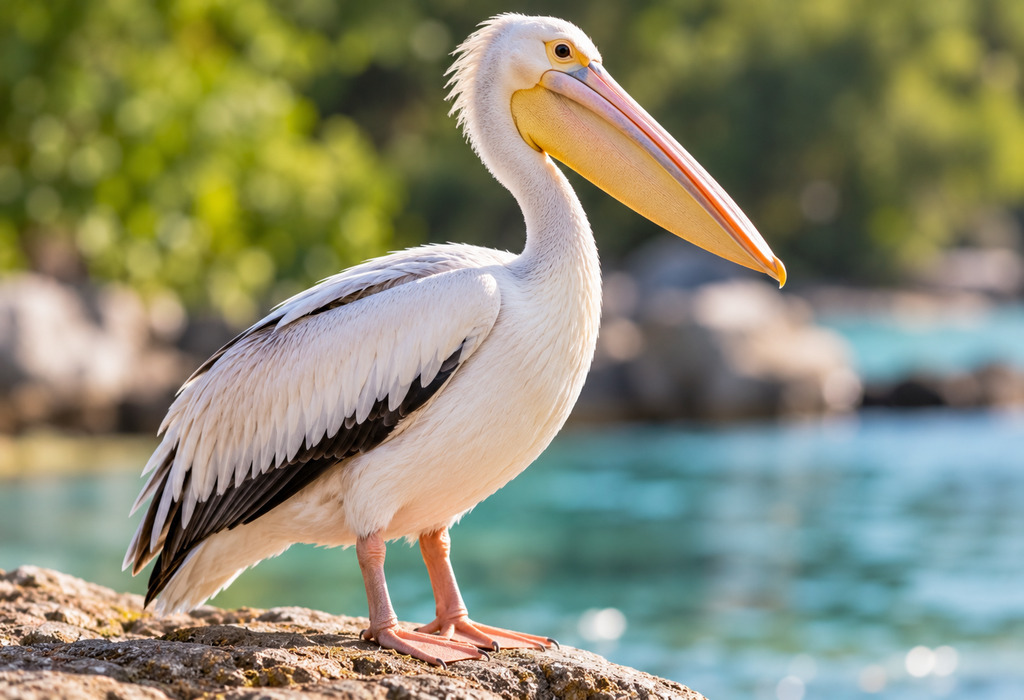
Scientific Name – Pelecanus (genus name)
Type of Animal – Bird
Where They Live – Lakes, rivers, and coastlines worldwide
Fun Facts
- A pelican’s pouch can hold more than its stomach can.
- They often fish together in groups.
10. Platypus
Platypuses are strange, egg-laying mammals with a duck-like bill and webbed feet.
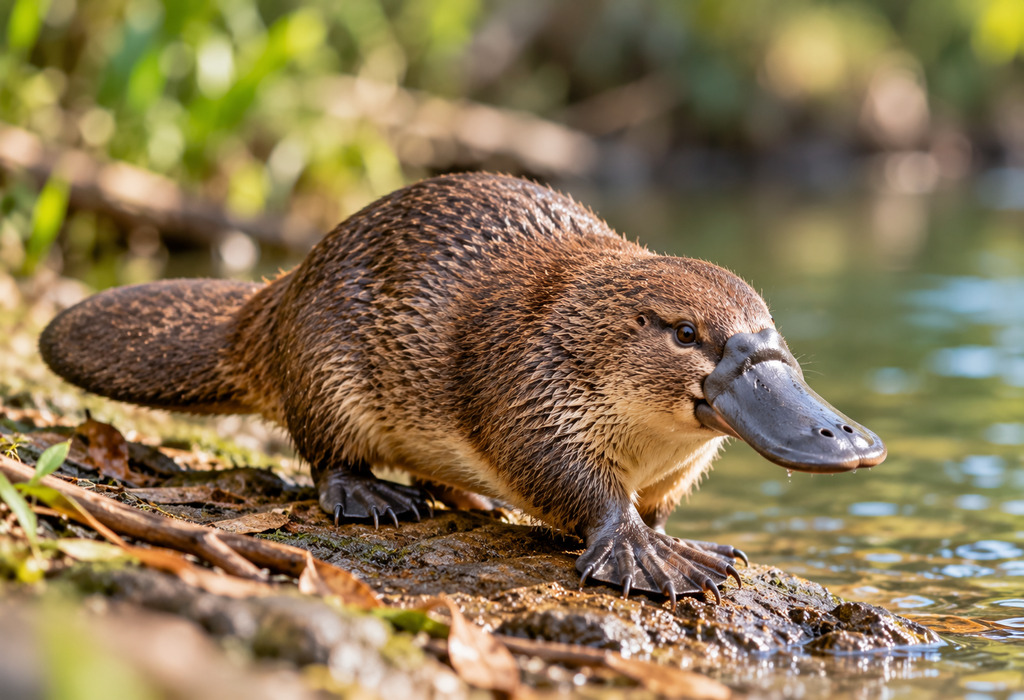
Scientific Name – Ornithorhynchus anatinus
Type of Animal – Mammal
Where They Live – Rivers and streams in Australia
Fun Facts
- Platypuses are one of the only mammals that lay eggs.
- Males have a venomous spur on their back legs.
11. Polar Bear
Polar bears are huge white bears built for surviving the freezing Arctic cold.
Scientific Name – Ursus maritimus
Type of Animal – Mammal
Where They Live – Arctic sea ice and snow
Fun Facts
- A polar bear’s fur looks white but its skin is black.
- They are strong swimmers and can swim for many miles.
12. Porcupine
Porcupines are rodents covered in sharp quills that protect them from predators.
Scientific Name – Hystricidae and Erethizontidae (families)
Type of Animal – Mammal
Where They Live – Forests, deserts, and grasslands worldwide
Fun Facts
- A porcupine can have over 30,000 quills.
- Quills detach easily but do not shoot out like arrows.
13. Prairie Dog
Prairie dogs are small, social rodents that live together in large underground towns.
Scientific Name – Cynomys (genus name)
Type of Animal – Mammal
Where They Live – Grasslands of North America
Fun Facts
- Prairie dogs bark to warn each other of danger.
- Their underground tunnels can stretch for many feet.
14. Piranha
Piranhas are freshwater fish known for their sharp teeth and strong bite.
Scientific Name – Pygocentrus (genus name)
Type of Animal – Fish
Where They Live – Rivers in South America
Fun Facts
- Piranhas usually eat insects and other fish, not people.
- They often swim together in large groups called shoals.
15. Pigeon
Pigeons are common birds found in cities that are known for finding their way home.
Scientific Name – Columba livia
Type of Animal – Bird
Where They Live – Cities and towns around the world
Fun Facts
- Pigeons can find their way home from very far away.
- They were once used to carry important messages.
16. Panther
Panthers are big wild cats, often referring to black leopards or jaguars.
Scientific Name – Panthera (genus name)
Type of Animal – Mammal
Where They Live – Forests and jungles in Africa, Asia, and the Americas
Fun Facts
- A panther’s black color comes from extra dark pigment.
- They are excellent climbers and often rest in trees.
17. Possum
Possums are small marsupials that are known for “playing dead” when scared.
Scientific Name – Didelphimorphia (order name)
Type of Animal – Mammal
Where They Live – Forests and neighborhoods in the Americas and Australia
Fun Facts
- Possums can hang upside down using their tails.
- Playing dead helps them trick predators into leaving.
18. Pug
Pugs are small dogs with wrinkly faces and a friendly, playful personality.
Scientific Name – Canis lupus familiaris
Type of Animal – Mammal
Where They Live – Homes around the world as pets
Fun Facts
- Pugs were once kept as pets by Chinese emperors.
- Their curly tails are a unique feature of the breed.
19. Poodle
Poodles are smart, curly-haired dogs that come in small, medium, and large sizes.
Scientific Name – Canis lupus familiaris
Type of Animal – Mammal
Where They Live – Homes around the world as pets
Fun Facts
- Poodles are considered one of the smartest dog breeds.
- Their curly coat sheds very little hair.
20. Parakeet
Parakeets are small, colorful parrots that are popular pets because of their cheerful chirping.
Scientific Name – Melopsittacus undulatus
Type of Animal – Bird
Where They Live – Grasslands in Australia, and homes worldwide as pets
Fun Facts
- Parakeets can learn to mimic simple words.
- They are very social and enjoy being around others.
21. Perch
Perch are freshwater fish with striped bodies that are common in lakes and rivers.
Scientific Name – Perca (genus name)
Type of Animal – Fish
Where They Live – Lakes and rivers in North America and Europe
Fun Facts
- Perch usually swim together in schools.
- They have spiny fins that help protect them from predators.
22. Pufferfish
Pufferfish can puff up into a spiky ball when they feel threatened by predators.
Scientific Name – Tetraodontidae (family name)
Type of Animal – Fish
Where They Live – Warm oceans and some rivers
Fun Facts
- Pufferfish gulp water to blow themselves up quickly.
- Many pufferfish species contain a dangerous poison.
23. Prawn
Prawns are small water creatures with long bodies and legs, related to shrimp.
Scientific Name – Palaemonidae (family name)
Type of Animal – Crustacean
Where They Live – Oceans, rivers, and lakes worldwide
Fun Facts
- Prawns can swim backward very quickly to escape danger.
- They shed their hard shell as they grow bigger.
24. Praying Mantis
Praying mantises are insects named for their front legs, which look like they are praying.
Scientific Name – Mantodea (order name)
Type of Animal – Insect
Where They Live – Gardens, forests, and grasslands worldwide
Fun Facts
- A praying mantis can turn its head almost all the way around.
- They are very patient hunters that wait for prey to come close.
25. Pika
Pikas are small, round mammals related to rabbits that live in cold, rocky mountains.
Scientific Name – Ochotona (genus name)
Type of Animal – Mammal
Where They Live – Rocky mountains in Asia and North America
Fun Facts
- Pikas collect and dry plants to eat during winter.
- They make a high-pitched squeak to warn others of danger.
26. Pangolin
Pangolins are unusual mammals covered in hard scales that roll into a ball when scared.
Scientific Name – Manis (genus name)
Type of Animal – Mammal
Where They Live – Forests and grasslands in Africa and Asia
Fun Facts
- Pangolins are the only mammals covered completely in scales.
- They use their long, sticky tongues to eat ants and termites.
27. Partridge
Partridges are plump, ground-dwelling birds often seen in fields and farmland.
Scientific Name – Perdix (genus name)
Type of Animal – Bird
Where They Live – Farmland and grasslands in Europe and Asia
Fun Facts
- Partridges prefer running over flying when escaping danger.
- They build their nests hidden in tall grass on the ground.
28. Pheasant
Pheasants are colorful birds known for the male’s bright feathers and long tail.
Scientific Name – Phasianus colchicus
Type of Animal – Bird
Where They Live – Farmland and woodlands in Asia, Europe, and North America
Fun Facts
- Male pheasants have much brighter colors than females.
- They can run very fast to escape from predators.
29. Persian Cat
Persian cats are fluffy, calm cats known for their long fur and flat faces.
Scientific Name – Felis catus
Type of Animal – Mammal
Where They Live – Homes around the world as pets
Fun Facts
- Persian cats need regular brushing to keep their long fur neat.
- They are known for their quiet, gentle personalities.
30. Pekingese
Pekingese dogs are small, fluffy companion dogs that originally came from China.
Scientific Name – Canis lupus familiaris
Type of Animal – Mammal
Where They Live – Homes around the world as pets
Fun Facts
- Pekingese dogs were once kept only by Chinese royalty.
- They have a confident personality despite their small size.
31. Pomeranian
Pomeranians are tiny, fluffy dogs known for their fox-like face and bold personality.
Scientific Name – Canis lupus familiaris
Type of Animal – Mammal
Where They Live – Homes around the world as pets
Fun Facts
- Pomeranians were named after the Pomerania region in Europe.
- Despite their small size, they are very energetic and alert.
32. Puma
Pumas, also called cougars or mountain lions, are large wild cats found across the Americas.
Scientific Name – Puma concolor
Type of Animal – Mammal
Where They Live – Mountains and forests across North and South America
Fun Facts
- Pumas can leap over 18 feet in a single jump.
- They are known by many names, including cougar and mountain lion.
33. Pronghorn
Pronghorns are fast-running mammals often mistaken for antelope, found in North America.
Scientific Name – Antilocapra americana
Type of Animal – Mammal
Where They Live – Grasslands and deserts in North America
Fun Facts
- Pronghorns are the fastest land animal in North America.
- They can run long distances without getting tired.
34. Petrel
Petrels are seabirds that spend most of their lives flying far out over the ocean.
Scientific Name – Procellariidae (family name)
Type of Animal – Bird
Where They Live – Open oceans worldwide
Fun Facts
- Petrels can smell fish from long distances away.
- They only come to land to lay their eggs.
35. Peafowl
Peafowl is the name for the bird family that includes peacocks and peahens.
Scientific Name – Pavo (genus name)
Type of Animal – Bird
Where They Live – Forests and farmland in South Asia
Fun Facts
- Female peafowl are called peahens and have duller colors.
- Baby peafowl are called peachicks.
36. Pit Bull
Pit bulls are strong, loyal dogs often known for being friendly family pets.
Scientific Name – Canis lupus familiaris
Type of Animal – Mammal
Where They Live – Homes around the world as pets
Fun Facts
- Pit bulls are known for their strength and muscular build.
- With proper training, they can be gentle and affectionate pets.
37. Papillon
Papillons are small dogs named for their butterfly-shaped ears.
Scientific Name – Canis lupus familiaris
Type of Animal – Mammal
Where They Live – Homes around the world as pets
Fun Facts
- “Papillon” means butterfly in French.
- They are one of the oldest toy dog breeds.
38. Peccary
Peccaries are pig-like mammals that live in groups in warm, dry regions.
Scientific Name – Tayassuidae (family name)
Type of Animal – Mammal
Where They Live – Deserts and forests in the Americas
Fun Facts
- Peccaries travel together in herds for safety.
- They use their strong snouts to dig up roots and food.
39. Pintail Duck
Pintail ducks are graceful ducks known for their long, pointed tail feathers.
Scientific Name – Anas acuta
Type of Animal – Bird
Where They Live – Lakes, ponds, and wetlands worldwide
Fun Facts
- Male pintail ducks have a striking brown-and-white pattern.
- They fly in large flocks during migration.
40. Porpoise
Porpoises are small sea mammals related to dolphins, known for their rounded snouts.
Scientific Name – Phocoenidae (family name)
Type of Animal – Mammal
Where They Live – Coastal oceans around the world
Fun Facts
- Porpoises have shorter snouts than dolphins.
- They use clicking sounds to find food and communicate.
From gentle pandas to speedy pronghorns, the letter P is home to an incredible variety of animals from land, sea, and sky. This list shows children that learning every animal name start with alphabet p can be both fun and educational. Whether it is a fluffy pet like a Pomeranian or a wild creature like a pangolin, there is a P animal for every young explorer to love. Keep exploring the alphabet, and who knows what amazing creature you will discover next!
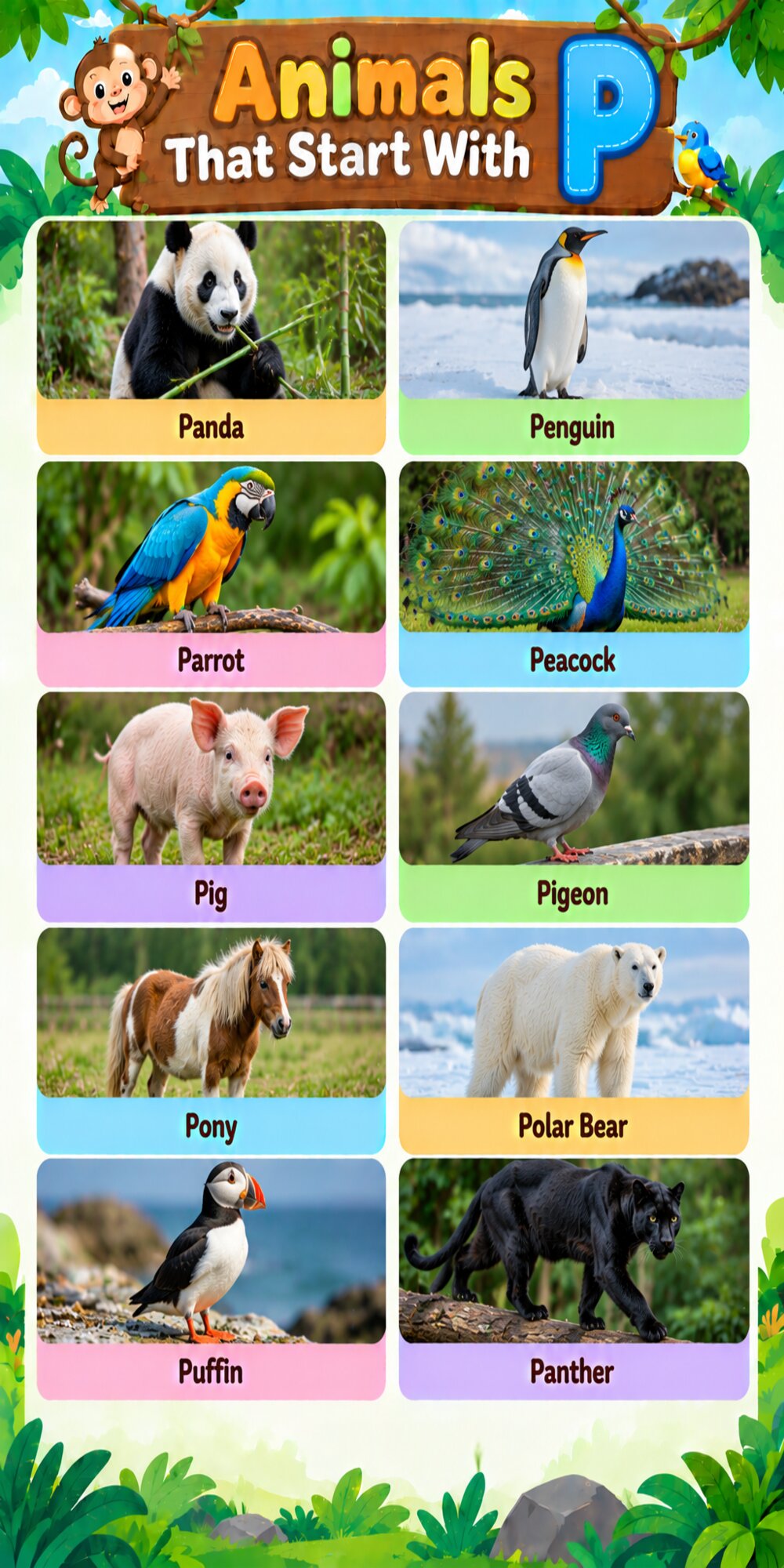
Infographic – Animals Starting With Letter P
Also Read: Animals That Begin With Letter A to Z