
Table of Contents
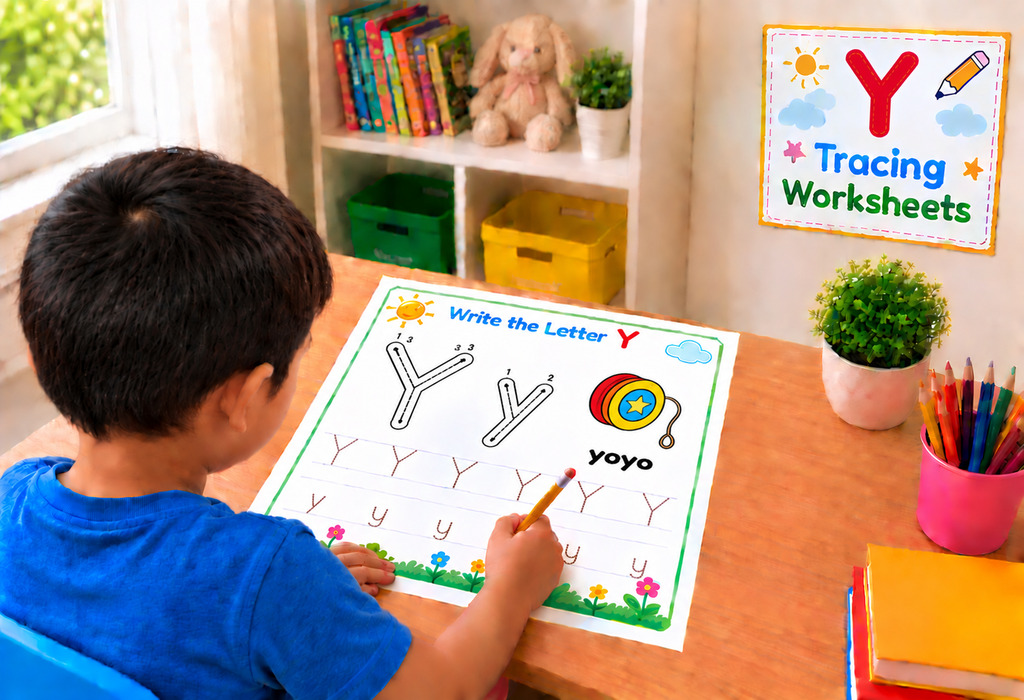
Learning to write the alphabet is a milestone every child works toward, one letter at a time. The letter Y often stands out to young learners because of its distinct diagonal strokes and the way it dips below the baseline in its lowercase form. Practising this letter through guided tracing helps children build the fine motor control needed for handwriting while also reinforcing letter recognition. These letter Y worksheets are designed to give children structured, repeated practice in a fun and approachable way. Whether your child is just starting to hold a pencil or is refining their writing skills, letter y tracing exercises offer a simple path to progress. This collection includes both uppercase and lowercase formats, along with tips to make practice sessions more effective at home or in the classroom.
Uppercase Y Letter Worksheet
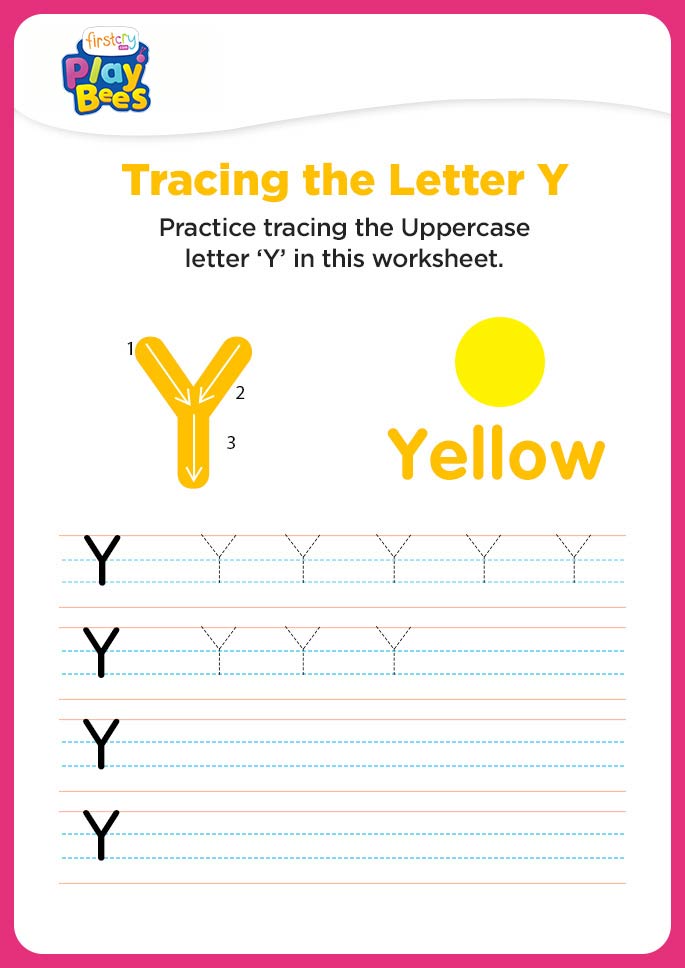
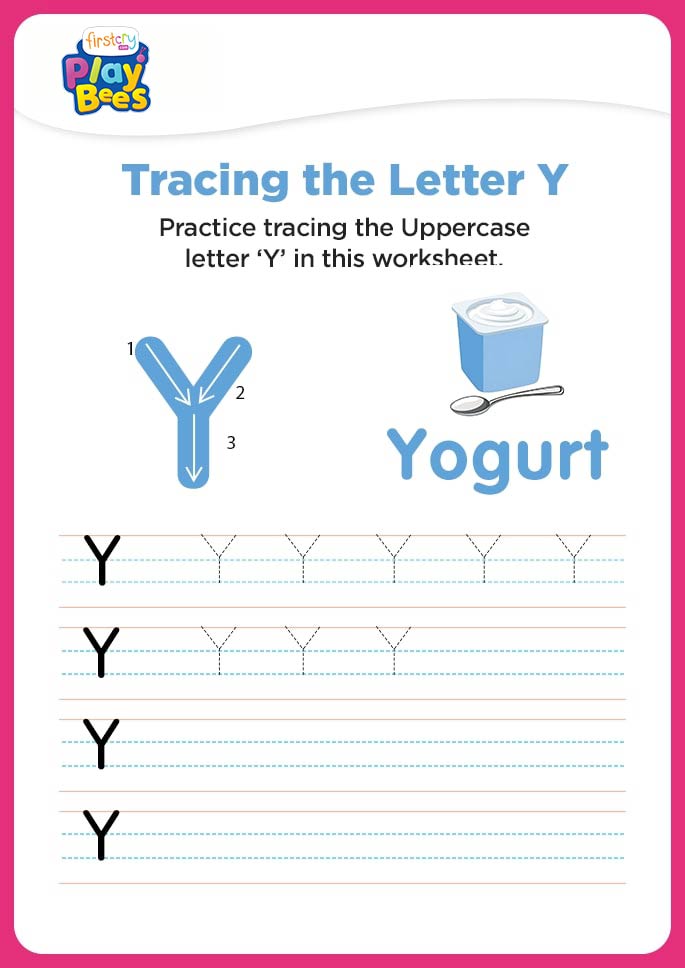
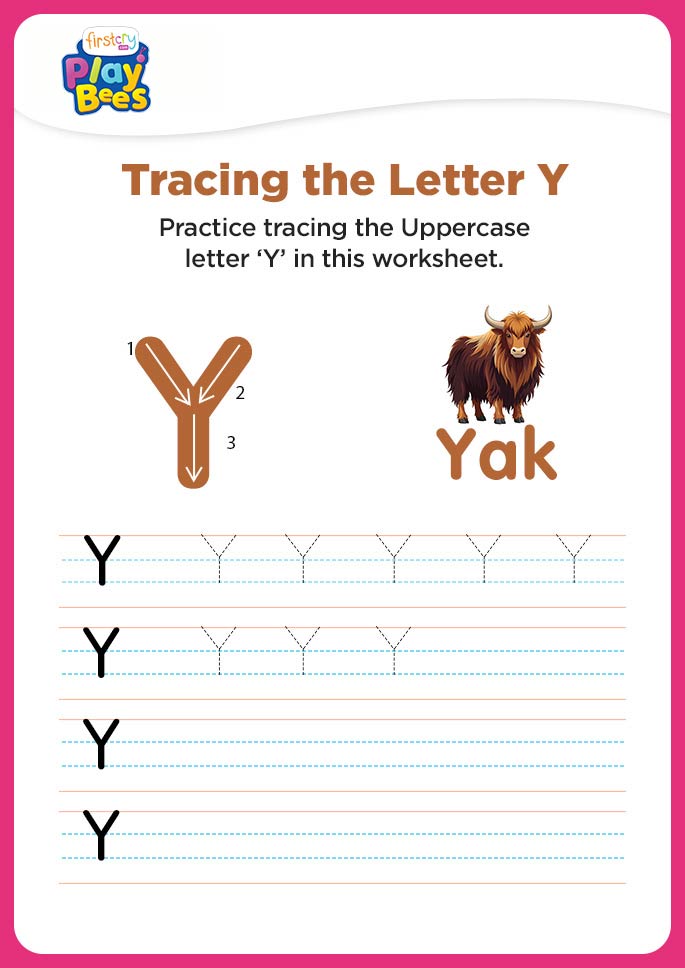
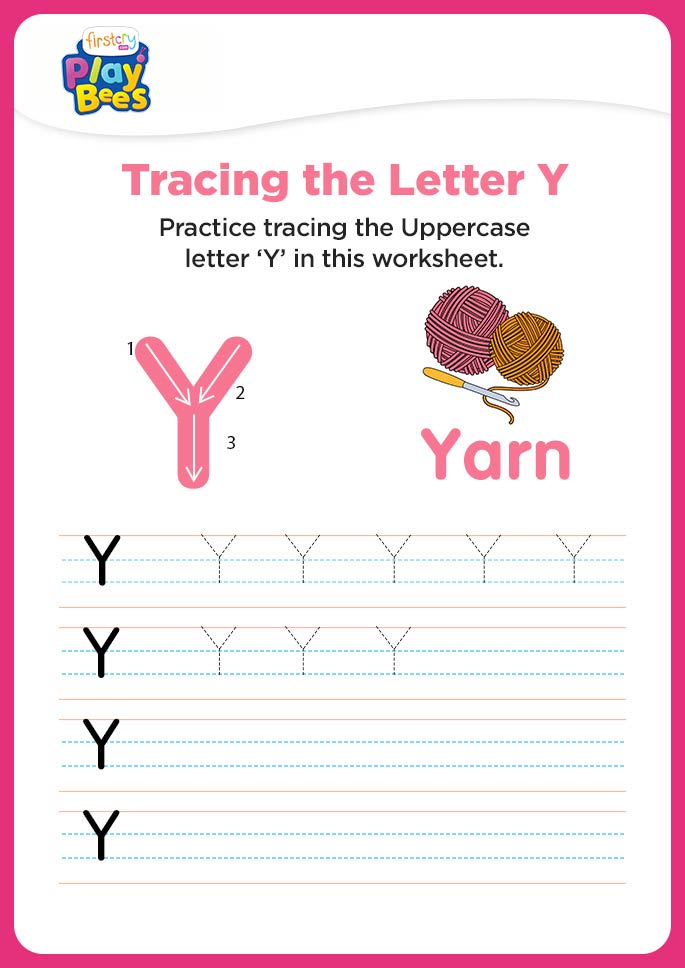
The capital Y is formed with two diagonal lines meeting at a central point, followed by a straight vertical line descending from that point. This shape can be tricky for beginners since it requires coordinating three distinct strokes in the correct sequence. These uppercase y tracing worksheets break the process down with dotted guides and directional arrows, allowing children to follow the natural stroke order. Regular practice with a capital y tracing worksheet helps children internalise the motion until it becomes automatic.
Lowercase y Letter Worksheet
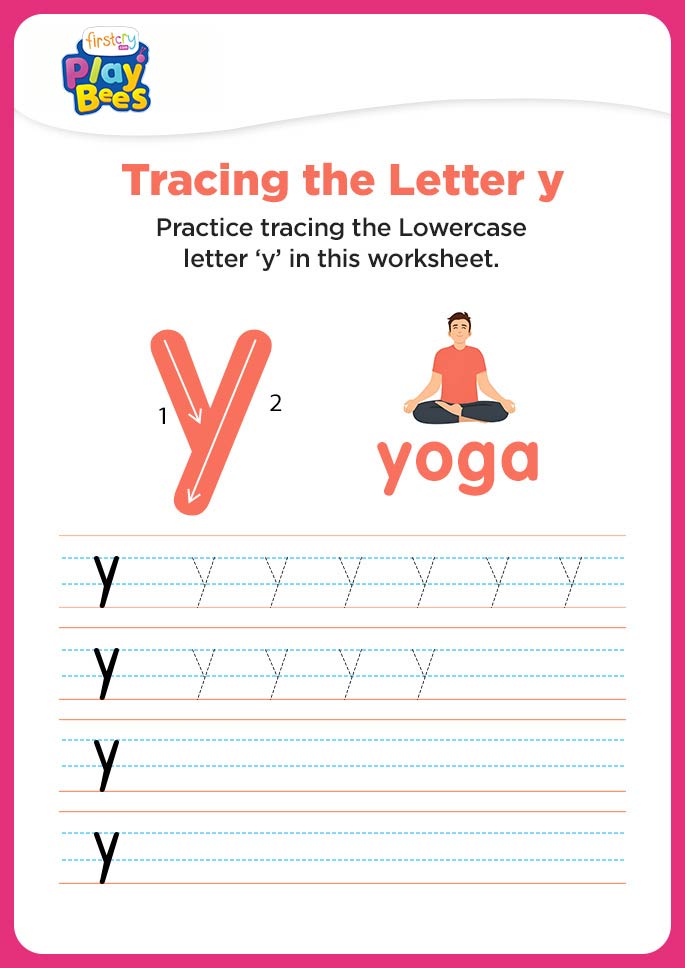
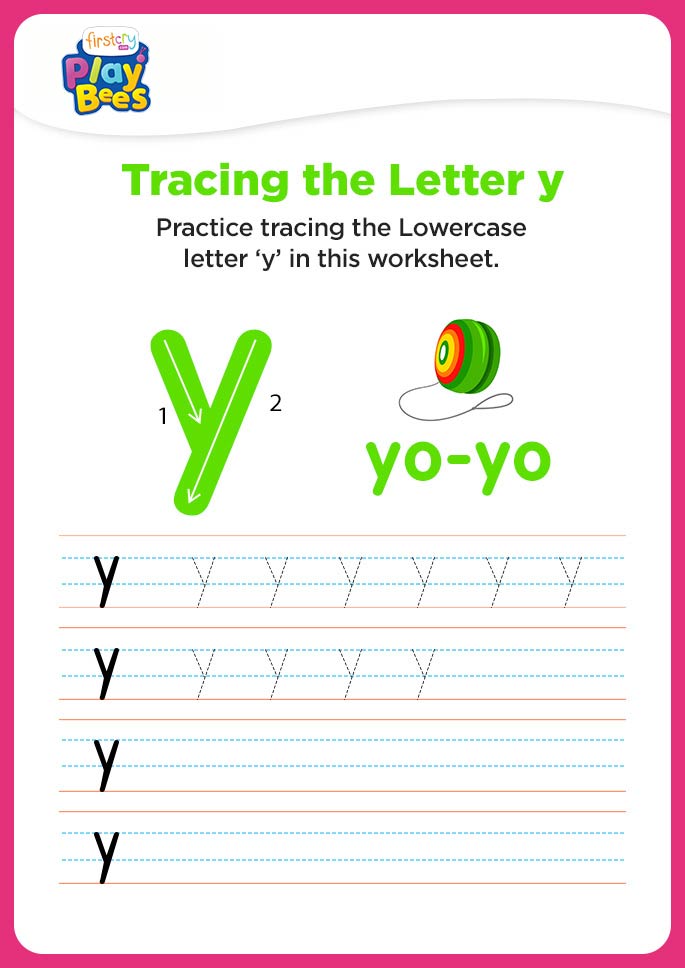
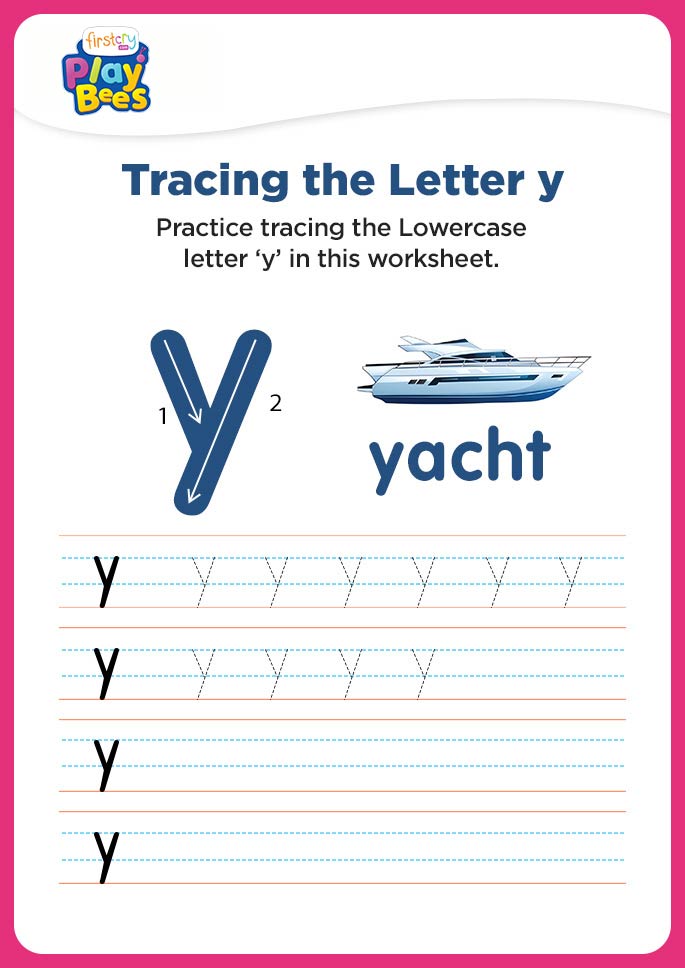
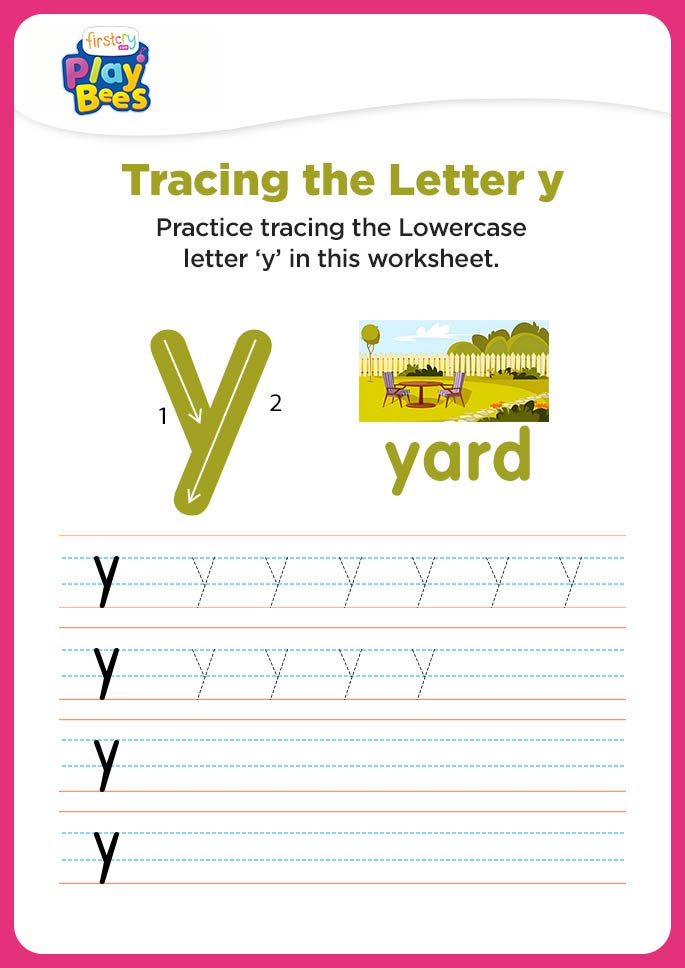
Unlike its uppercase counterpart, the lowercase y includes a descender that extends below the writing line, making it one of the more distinctive letters in the alphabet. This unique shape often needs extra attention since children are used to keeping most letters within the standard writing space. These lowercase letter y tracing worksheets guide learners through the curve and descender with clear visual cues. Practising with small letter y tracing worksheets regularly builds the muscle memory required for smooth, consistent handwriting.
Upper and Lowercase Yy Tracing Worksheet
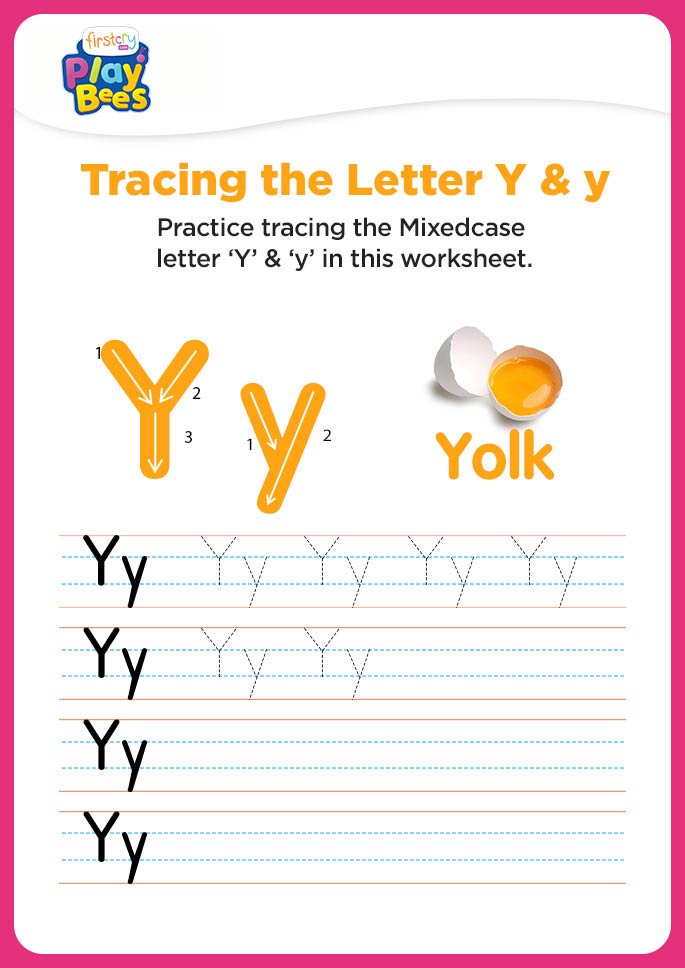
Once a child feels confident tracing each form individually, combining both cases on a single worksheet helps reinforce the relationship between them. Seeing “Y” and “y” side by side allows children to notice similarities and differences in shape, size, and stroke pattern, strengthening overall letter recognition alongside writing practice.
Printable Worksheets With Blank Lines
For children ready to move beyond guided tracing, worksheets with blank practice lines offer the next step. These pages encourage independent writing without dotted outlines, helping learners test what they’ve absorbed. Tracing the letter y for preschoolers works best when introduced gradually, starting with fully guided sheets before transitioning to these open practice lines.
Tips for Using the Letter Y Worksheets
A few simple strategies can make tracing practice more productive and enjoyable for young learners:
- Keep sessions short, around 10 to 15 minutes, to maintain focus and avoid frustration
- Use a comfortable pencil grip and check posture before starting
- Encourage your child to say the letter sound aloud while tracing
- Mix uppercase and lowercase practice within the same session for balance
- Praise effort and progress rather than focusing only on neatness
Mastering the letter Y takes patience, repetition, and the right tools. These worksheets offer a structured way for children to practise both uppercase and lowercase forms while building essential fine motor and pre-writing skills. From guided tracing to independent practice on blank lines, this set covers every stage of learning. Explore our free printable letter y worksheets to give your child engaging, consistent practice they can enjoy at their own pace.