

Do you know how many amazing creatures share the same first letter? From the household cat to the towering cassowary, the animal kingdom is full of examples of an animal begin with c. This list is perfect for curious kids, parents, and teachers looking for a fun way to learn the alphabet through nature. Each entry includes a scientific name, animal type, habitat, and simple fun facts for young readers. Get ready to explore wonderful creatures, one letter at a time!
Animals Names Beginning With C
This list is a great starting point if you’re curious about the cute animals that start with c that kids love learning about first. Each of the 40 entries below is written in simple, kid-friendly language and covers habitats, scientific names, and fun facts.
1. Cat
A gentle, popular house pet.
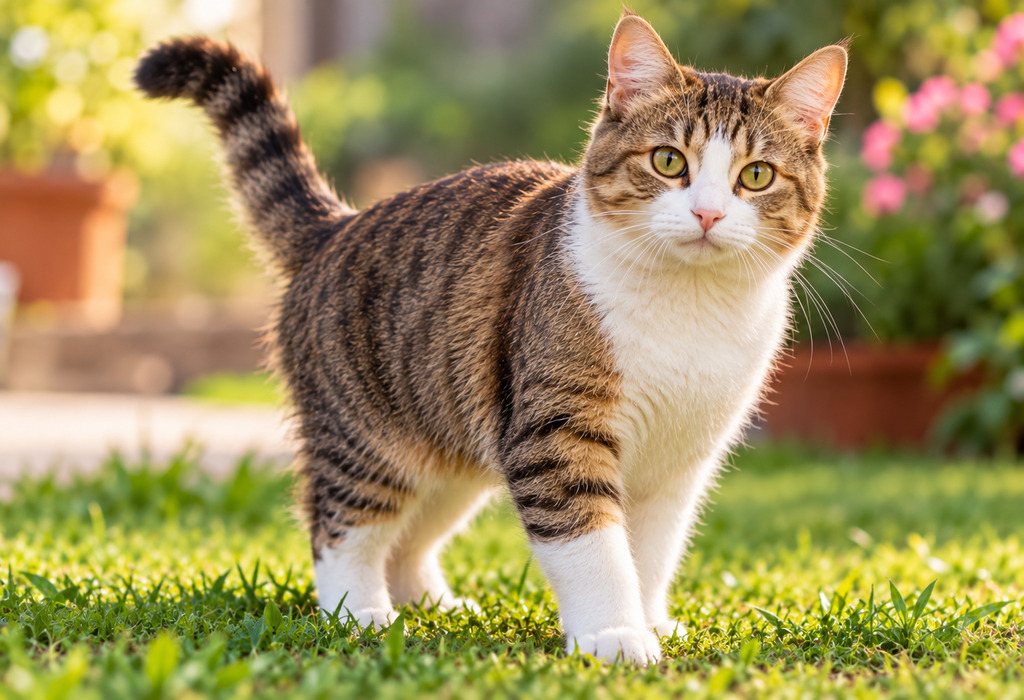
Scientific Name – Felis catus
Type of Animal – Mammal
Where They Live – Homes worldwide
Fun Facts
- Sleeps most of the day.
- Jumps six times its length.
- Senses surroundings with whiskers.
- A group is called a clowder.
2. Cow
A farm animal that gives milk.
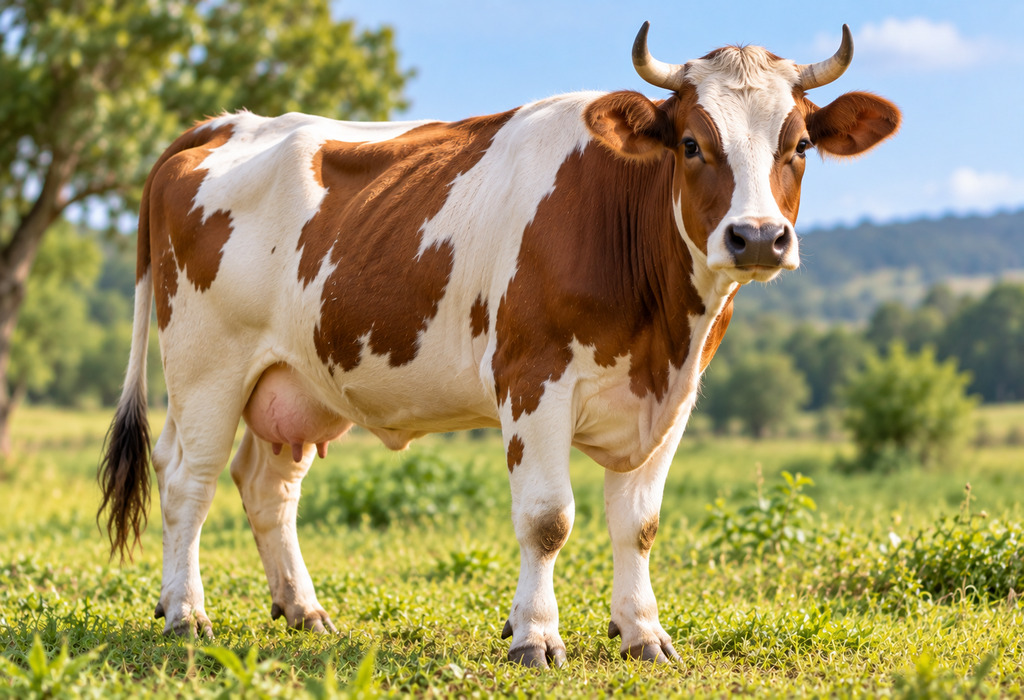
Scientific Name – Bos taurus
Type of Animal – Mammal
Where They Live – Farms worldwide
Fun Facts
- Has nearly 360-degree vision.
- Forms close friendships.
- Has a four-chambered stomach.
- Can sleep standing up.
3. Camel
Called the ship of the desert.
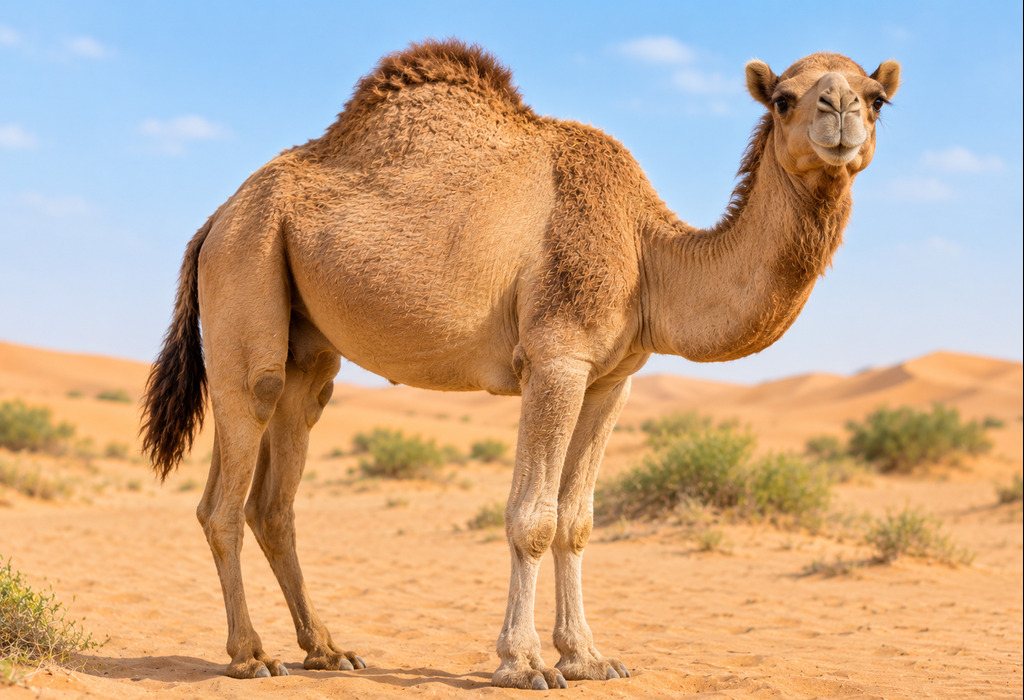
Scientific Name – Camelus dromedarius
Type of Animal – Mammal
Where They Live – Deserts of Africa & Middle East
Fun Facts
- Stores fat, not water, in humps.
- Closes nostrils against sand.
- Drinks 40 gallons at once.
- Long lashes block sand.
4. Cheetah
The fastest land animal alive.
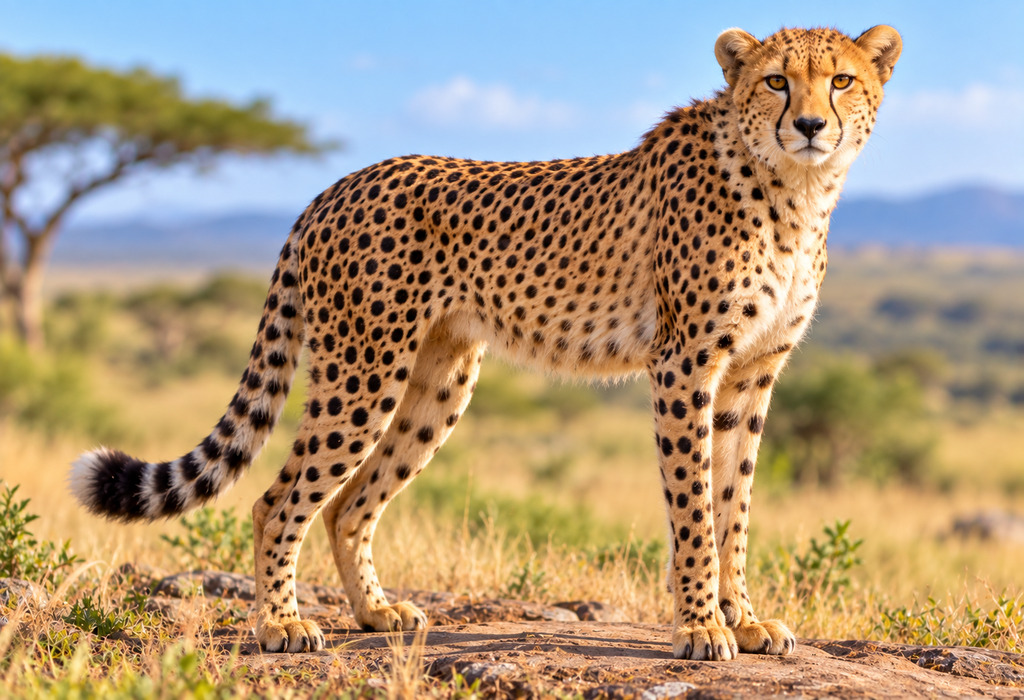
Scientific Name – Acinonyx jubatus
Type of Animal – Mammal
Where They Live – African grasslands
Fun Facts
- Runs 70 mph.
- Cannot roar like big cats.
- Spots aid grassland camouflage.
- Cubs have a silvery mane.
5. Chicken
A farm bird that lays eggs.
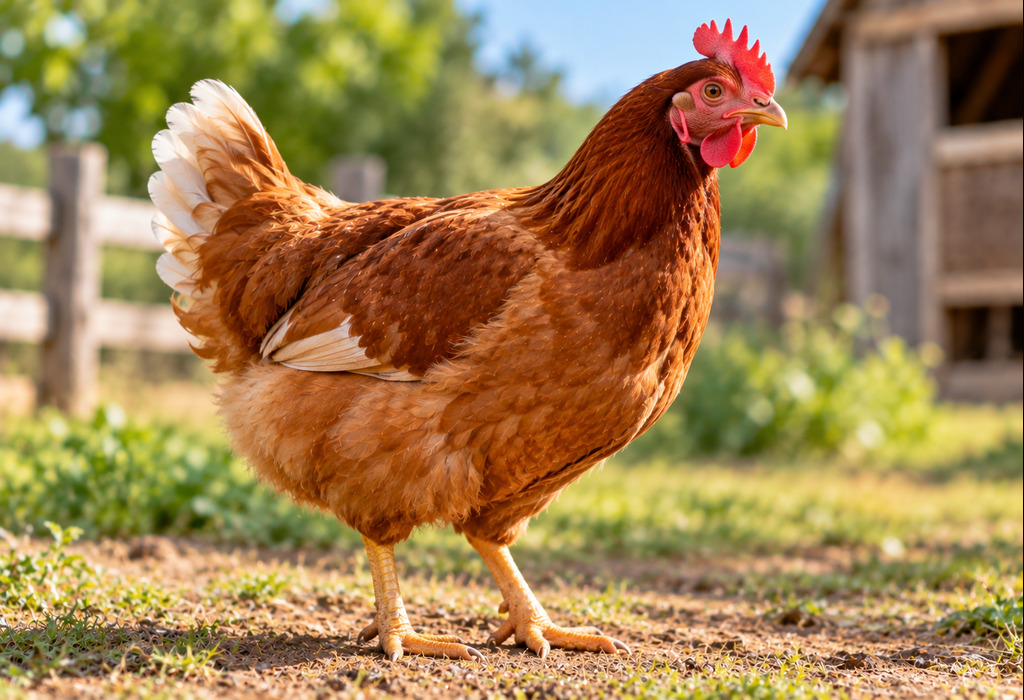
Scientific Name – Gallus gallus domesticus
Type of Animal – Bird
Where They Live – Farms worldwide
Fun Facts
- Recognizes over 100 faces.
- Lays about 300 eggs a year.
- Dreams while sleeping.
- Uses over 30 sounds.
6. Chimpanzee
A smart primate related to humans.
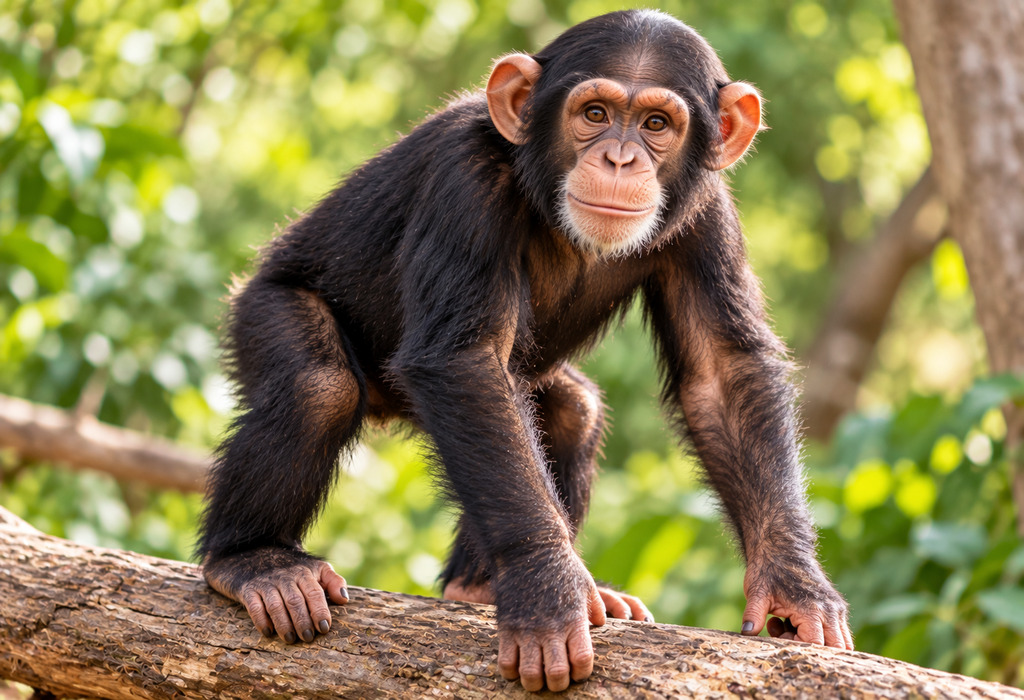
Scientific Name – Pan troglodytes
Type of Animal – Mammal
Where They Live – African forests
Fun Facts
- Uses sticks as tools.
- Lives in alpha-led groups.
- Learns simple sign language.
- Shares 98% human DNA.
7. Crab
A sea creature that walks sideways.
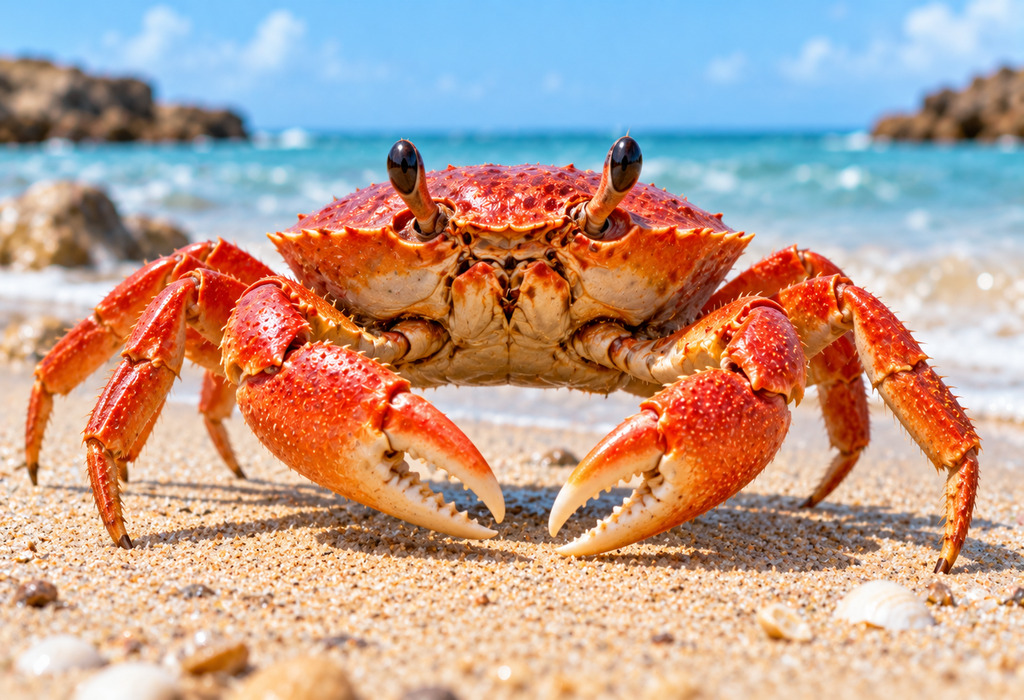
Scientific Name – Brachyura
Type of Animal – Crustacean
Where They Live – Oceans and beaches worldwide
Fun Facts
- Walks sideways from leg joints.
- Regrows a lost claw.
- Some live on land too.
- Waves claws to communicate.
8. Crocodile
A large reptile of rivers and lakes.
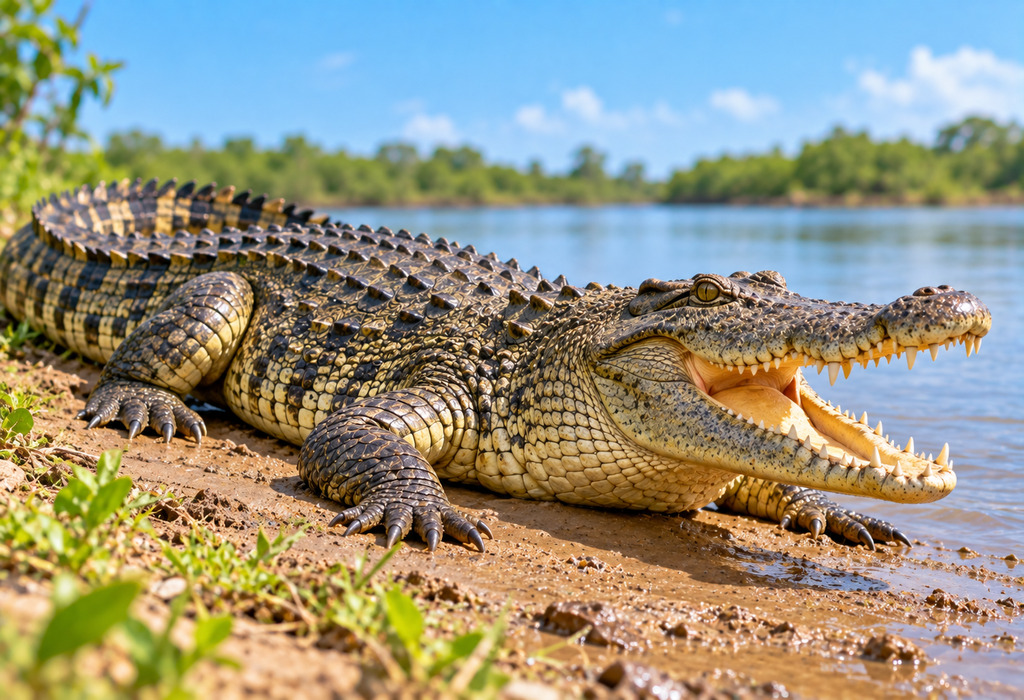
Scientific Name – Crocodylus niloticus
Type of Animal – Reptile
Where They Live – Rivers in Africa
Fun Facts
- Holds breath over an hour.
- Existed 200 million years.
- Has a very strong bite.
- Swallows stones to dive deeper.
9. Coyote
A clever wild dog of North America.
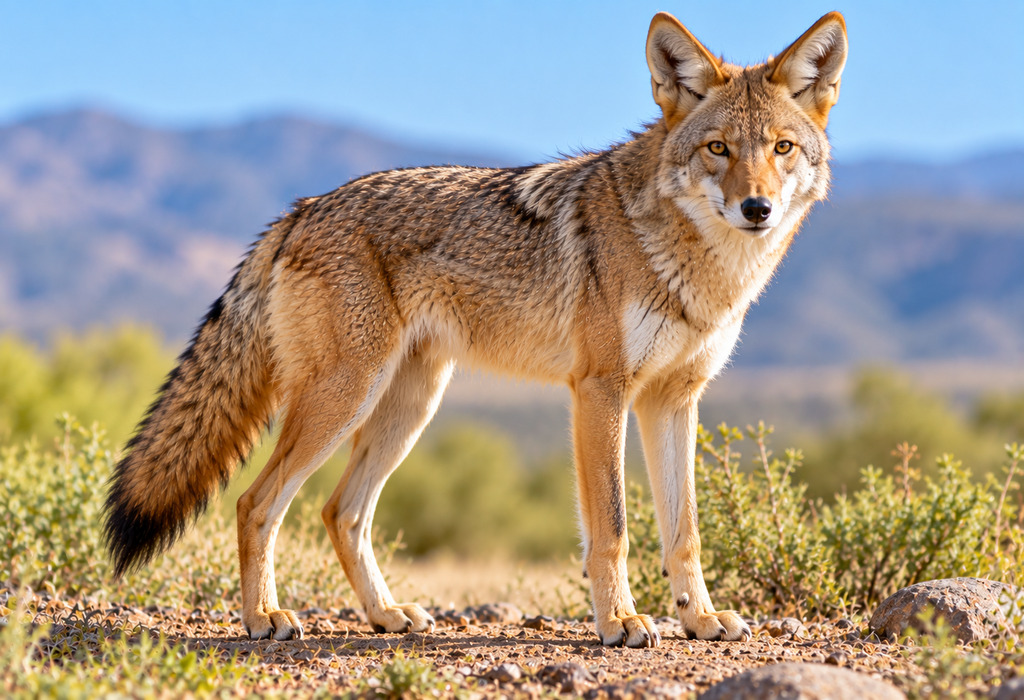
Scientific Name – Canis latrans
Type of Animal – Mammal
Where They Live – North America
Fun Facts
- Runs 40 mph.
- Howls to communicate.
- Adapts well near cities.
- Often hunts in small groups.
10. Cobra
A venomous snake with a hood.
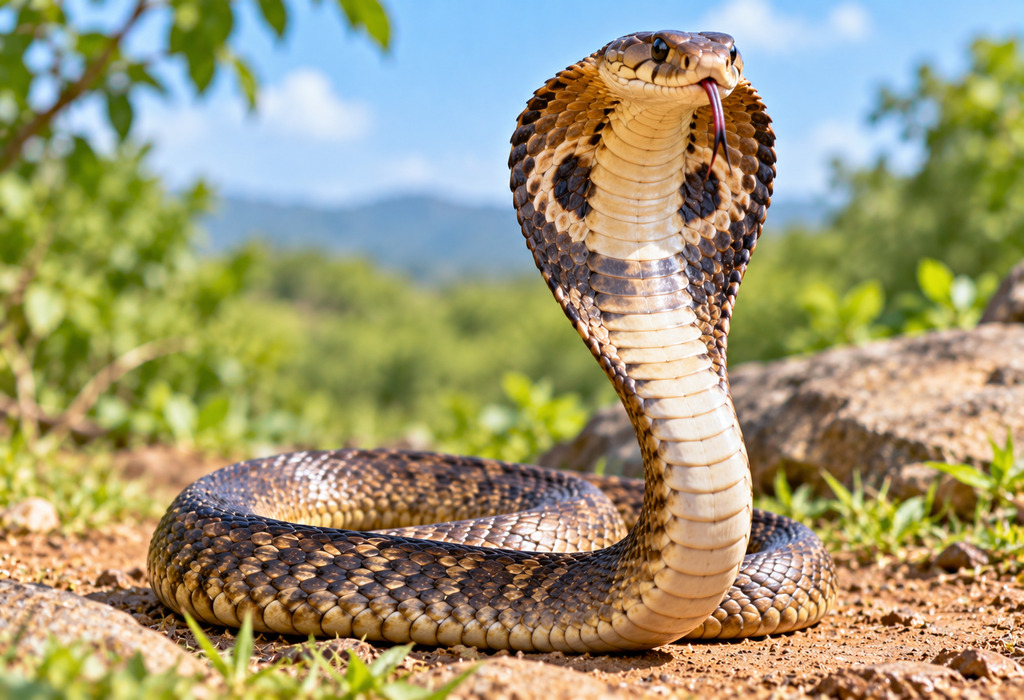
Scientific Name – Naja
Type of Animal – Reptile
Where They Live – Asia and Africa
Fun Facts
- Spreads neck ribs into a hood.
- Some can spit venom.
- Grows up to 18 feet.
- Smells air with its tongue.
11. Cockatoo
A colorful, playful parrot.
Scientific Name – Cacatuidae
Type of Animal – Bird
Where They Live – Australia
Fun Facts
- Has a movable feather crest.
- Lives over 60 years.
- Mimics human speech.
- Cracks seeds with its beak.
12. Cardinal
A bright red, cheerful songbird.
Scientific Name – Cardinalis cardinalis
Type of Animal – Bird
Where They Live – North America
Fun Facts
- Only males are bright red.
- Does not migrate in winter.
- Both parents feed the young.
- State bird of seven US states.
13. Caribou
Known for long tundra migrations.
Scientific Name – Rangifer tarandus
Type of Animal – Mammal
Where They Live – Arctic tundra
Fun Facts
- Both sexes grow antlers.
- Travels over 1,000 miles yearly.
- Hooves change with seasons.
- Thick fur guards against cold.
14. Chameleon
Famous for changing skin color.
Scientific Name – Chamaeleonidae
Type of Animal – Reptile
Where They Live – Africa and Madagascar
Fun Facts
- Changes color to communicate.
- Eyes move independently.
- Catches bugs with its tongue.
- Some change color in seconds.
15. Chinchilla
A rodent with super-soft fur.
Scientific Name – Chinchilla lanigera
Type of Animal – Mammal
Where They Live – Andes mountains, South America
Fun Facts
- Takes dust baths, not water.
- Has one of the softest furs.
- Jumps six feet high.
- Has excellent night vision.
16. Clownfish
Lives among sea anemones.
Scientific Name – Amphiprioninae
Type of Animal – Fish
Where They Live – Indo-Pacific coral reefs
Fun Facts
- Immune to anemone stings.
- Can change gender over its life.
- Lives in small family groups.
- Helps protect its anemone home.
17. Cougar
A wild cat also called a mountain lion.
Scientific Name – Puma concolor
Type of Animal – Mammal
Where They Live – Americas
Fun Facts
- Leaps 18 feet.
- Widest range of any American wild cat.
- Purrs instead of roaring.
- Also called a puma.
18. Crane
A tall bird known for dancing.
Scientific Name – Gruidae
Type of Animal – Bird
Where They Live – Wetlands worldwide
Fun Facts
- Dances to attract a mate.
- Some migrate thousands of miles.
- Can live for decades.
- Mates for life.
19. Cricket
A small insect known for chirping.
Scientific Name – Gryllidae
Type of Animal – Insect
Where They Live – Grasslands worldwide
Fun Facts
- Chirps by rubbing wings together.
- Only males chirp.
- Chirp speed shifts with heat.
- Ears sit on the front legs.
20. Cuckoo
Lays eggs in other birds’ nests.
Scientific Name – Cuculidae
Type of Animal – Bird
Where They Live – Forests worldwide
Fun Facts
- Tricks birds into raising its chicks.
- Inspired the cuckoo clock sound.
- Eats insects other birds avoid.
- Chicks may push out other eggs.
21. Capybara
The largest rodent in the world.
Scientific Name – Hydrochoerus hydrochaeris
Type of Animal – Mammal
Where They Live – South American rivers
Fun Facts
- Excellent swimmer.
- Lives in groups up to 20.
- Calm around many species.
- Webbed feet aid swimming.
22. Catfish
Named for its whisker-like barbels.
Scientific Name – Siluriformes
Type of Animal – Fish
Where They Live – Rivers and lakes worldwide
Fun Facts
- Whiskers help taste for food.
- Some grow larger than a person.
- Senses food in murky water.
- Taste buds cover its body.
23. Centipede
A fast, many-legged crawler.
Scientific Name – Chilopoda
Type of Animal – Arthropod
Where They Live – Soil worldwide
Fun Facts
- Has 30 to 350 legs.
- No species has exactly 100 legs.
- Uses venomous claws on prey.
- Prefers dark, damp spots.
24. Cormorant
A diving bird and skilled hunter.
Scientific Name – Phalacrocoracidae
Type of Animal – Bird
Where They Live – Coastal areas worldwide
Fun Facts
- Dives over 100 feet deep.
- Dries wet feathers in the sun.
- Strong swimmer, webbed feet.
- Holds breath over a minute.
25. Crayfish
A small freshwater lobster relative.
Scientific Name – Astacoidea
Type of Animal – Crustacean
Where They Live – Freshwater streams worldwide
Fun Facts
- Walks forward, swims backward.
- Regrows a lost claw.
- Uses pincers to catch food.
- Can live over 20 years.
26. Cassowary
A flightless bird with a colorful neck.
Scientific Name – Casuarius
Type of Animal – Bird
Where They Live – Rainforests of Australia & New Guinea
Fun Facts
- Cannot fly but runs very fast.
- Has a helmet-like casque.
- Kicks powerfully to defend itself.
- Bright neck stands out.
27. Caterpillar
The larval stage of a butterfly.
Scientific Name – Lepidoptera larva
Type of Animal – Insect
Where They Live – Gardens and forests worldwide
Fun Facts
- Sheds its skin as it grows.
- Becomes a butterfly or moth.
- Some species are poisonous.
- Spends its time eating leaves.
28. Chipmunk
A striped rodent with full cheeks.
Scientific Name – Tamias
Type of Animal – Mammal
Where They Live – North American forests
Fun Facts
- Stuffs cheeks to carry food.
- Stores food for winter.
- Hibernates in cold months.
- Stripes help it hide.
29. Chihuahua
One of the smallest dog breeds.
Scientific Name – Canis lupus familiaris
Type of Animal – Mammal
Where They Live – Homes worldwide; originally Mexico
Fun Facts
- Named after a Mexican state.
- Often outlives larger breeds.
- Bonds strongly with one person.
- Bold despite its small size.
30. Clam
A creature with two hard shells.
Scientific Name – Bivalvia
Type of Animal – Mollusk
Where They Live – Oceans, rivers, and lakes worldwide
Fun Facts
- Filters water for tiny food.
- Some live over 100 years.
- Burrows into sand to hide.
- Has no head, but has a heart.
31. Cockroach
A hardy insect that survives anywhere.
Scientific Name – Blattodea
Type of Animal – Insect
Where They Live – Warm climates worldwide
Fun Facts
- Survives a month without food.
- Runs 3 mph.
- Holds its breath 40 minutes.
- Existed for millions of years.
32. Condor
One of the largest flying birds.
Scientific Name – Vultur gryphus
Type of Animal – Bird
Where They Live – South American mountains
Fun Facts
- Wingspan over 10 feet.
- Soars for hours without flapping.
- Can live over 50 years.
- Mainly eats animals that have died.
33. Cottontail Rabbit
A wild rabbit with a white tail.
Scientific Name – Sylvilagus
Type of Animal – Mammal
Where They Live – North American fields and forests
Fun Facts
- Zigzags to escape danger.
- White tail confuses predators.
- Has several litters yearly.
- Relies on stillness and camouflage.
34. Cuttlefish
A clever squid and octopus relative.
Scientific Name – Sepiida
Type of Animal – Mollusk
Where They Live – Oceans worldwide
Fun Facts
- Changes color and pattern instantly.
- Has three hearts, blue blood.
- Releases ink to escape danger.
- One of the smartest invertebrates.
35. Corn Snake
A gentle, colorful pet snake.
Scientific Name – Pantherophis guttatus
Type of Animal – Reptile
Where They Live – Southeastern United States
Fun Facts
- Not venomous, harmless to people.
- Excellent climber.
- Named for corn-kernel patterns.
- Helps farmers by eating rodents.
36. Collie
An intelligent, loyal herding dog.
Scientific Name – Canis lupus familiaris
Type of Animal – Mammal
Where They Live – Homes and farms; originally Scotland
Fun Facts
- Bred to herd sheep.
- Known for being trainable and gentle.
- Instinctively protective of family.
- Lassie the dog was a collie.
37. Copperhead
A venomous snake with a copper head.
Scientific Name – Agkistrodon contortrix
Type of Animal – Reptile
Where They Live – North American forests
Fun Facts
- Often freezes instead of fleeing.
- Patterned skin blends with leaves.
- Gives birth to live young.
- Bites are rarely deadly.
38. Cocker Spaniel
Known for long, silky ears.
Scientific Name – Canis lupus familiaris
Type of Animal – Mammal
Where They Live – Homes worldwide
Fun Facts
- Bred to hunt birds.
- Named after the woodcock bird.
- Gentle with children.
- Needs regular grooming.
39. Chorus Frog
A tiny frog with a loud call.
Scientific Name – Pseudacris
Type of Animal – Amphibian
Where They Live – North American wetlands
Fun Facts
- Named for calling in groups.
- Call sounds like a strummed comb.
- Active on warm, rainy nights.
- Often smaller than a thumbnail.
40. Chick
A baby chicken, a classic first fact.
Scientific Name – Gallus gallus domesticus
Type of Animal – Bird
Where They Live – Farms worldwide
Fun Facts
- Walks and eats within hours.
- Knows its mother’s voice before hatching.
- Covered in soft down.
- Huddles with others for warmth.
From the tiny cricket to the towering cassowary, this list shows how many incredible animals begin with the letter C. Children can use these facts to learn about habitats ranging from deserts and rainforests to oceans and backyards. Learning this way builds vocabulary while sparking curiosity about the natural world. With creatures to explore, there is always a new C animal fact waiting to be discovered.
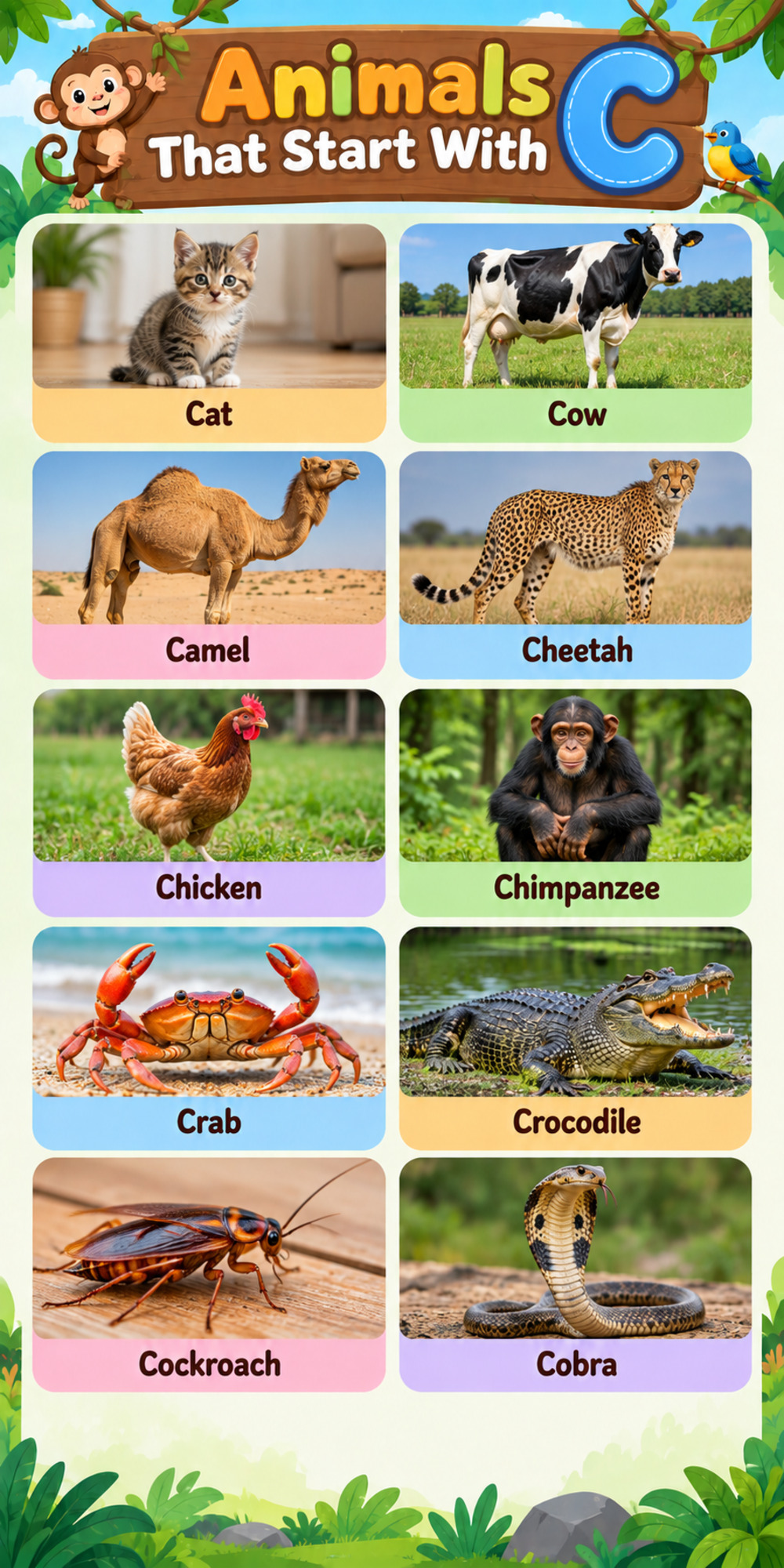
Infographic – Animals Starting With Letter C
Also Read: Animals That Begin With Letter A to Z