

Have you ever wondered how many animals begin with d? From playful dogs to graceful dolphins, the letter D introduces young readers to a delightful mix of pets, farm animals, and wild creatures from around the world. This list of animal name start with alphabet d is designed especially for children up to eight years old, with simple facts and fun details for every entry. Whether you are searching for animals starting with letter d for a school project or just curious about cute animals that start with d, this guide covers forty wonderful creatures waiting to be discovered.
Animals Names Beginning With D
Get ready to explore forty amazing animals, each one starting with the letter D. Every entry below includes fun facts and habitat details to help children learn and remember each creature easily.
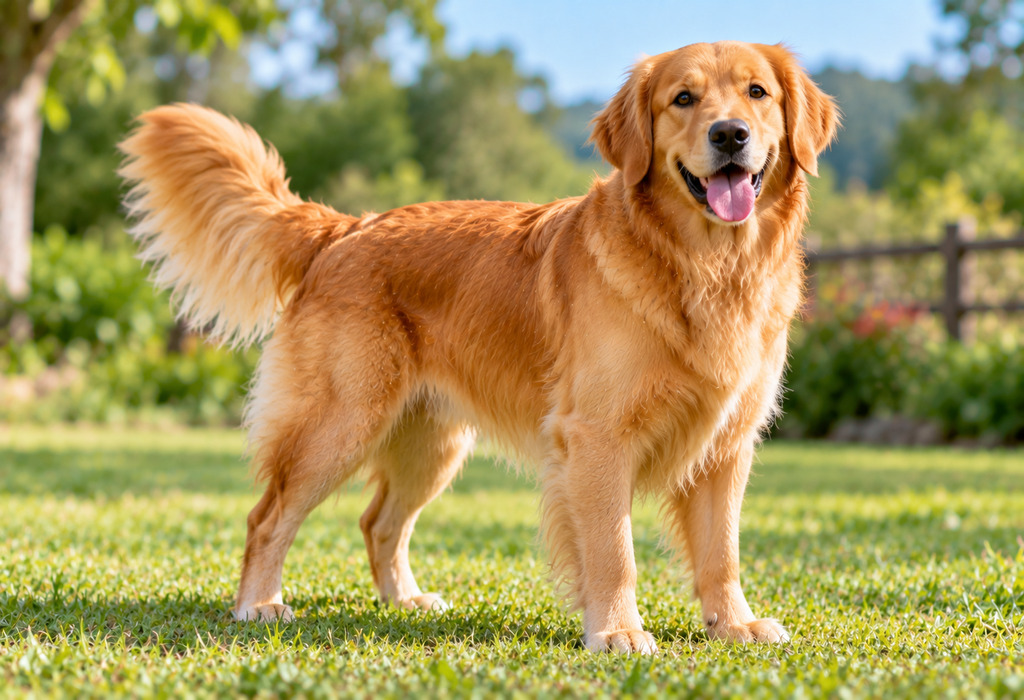
1. Dog
The dog is a loyal and friendly companion that has lived alongside humans for thousands of years.
Scientific Name – Canis familiaris
Type of Animal – Mammal
Where They Live – Homes and farms worldwide
Fun Facts
- Dogs can understand more than 100 words and gestures.
- A dog’s nose print is unique, just like a human fingerprint.
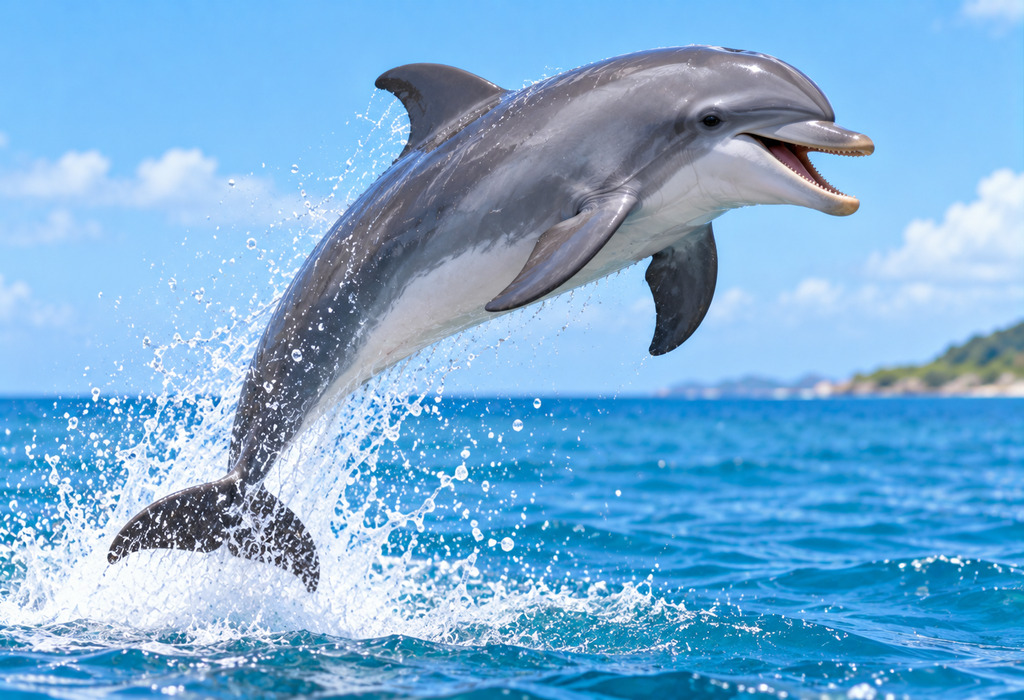
2. Dolphin
Dolphins are smart, playful sea mammals known for leaping out of the water.
Scientific Name – Delphinus delphis
Type of Animal – Mammal
Where They Live – Warm and temperate oceans worldwide
Fun Facts
- Dolphins sleep with one eye open to stay alert.
- They use clicks and whistles to talk to each other.
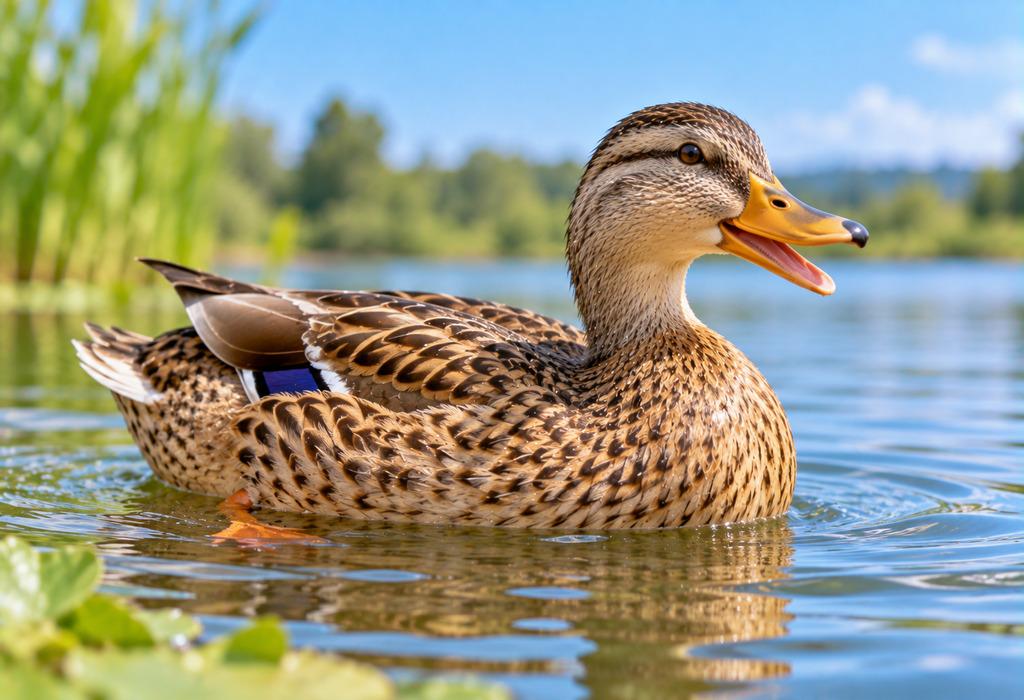
3. Duck
Ducks are friendly water birds famous for their quacking sound and webbed feet.
Scientific Name – Anas platyrhynchos
Type of Animal – Bird
Where They Live – Ponds, rivers, and lakes worldwide
Fun Facts
- A duck’s feathers are naturally waterproof.
- Baby ducks can swim within hours of hatching.
4. Deer
Deer are gentle, graceful animals often seen grazing quietly in forests and meadows.
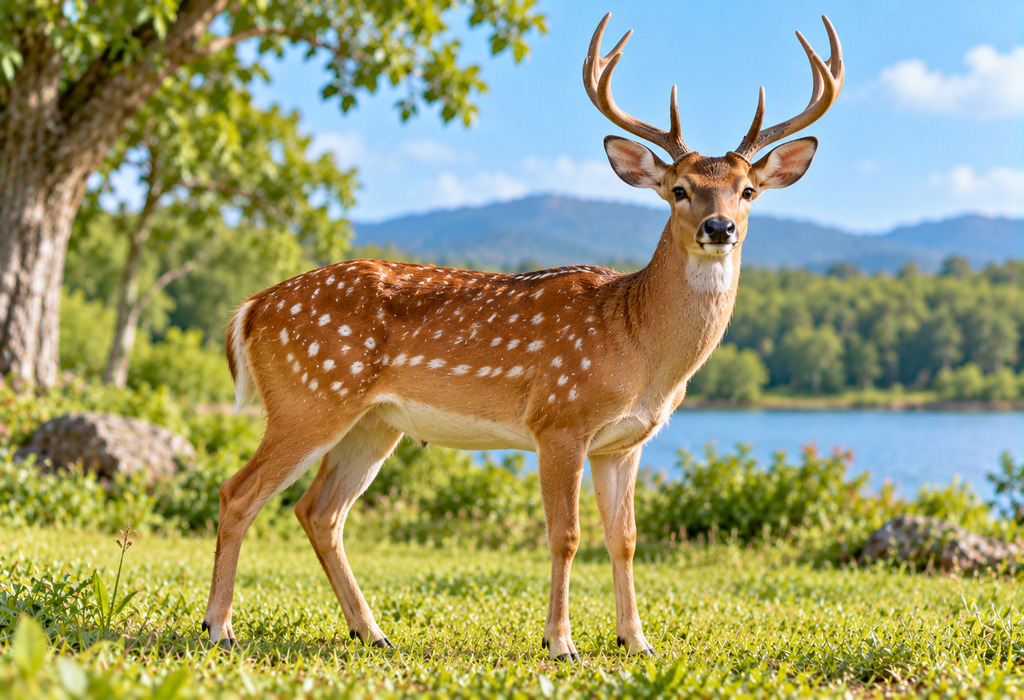
Scientific Name – Cervidae family
Type of Animal – Mammal
Where They Live – Forests and grasslands worldwide
Fun Facts
- Male deer grow a new set of antlers every year.
- Deer can run very fast to escape predators.
5. Donkey
Donkeys are strong, hardworking animals that have helped farmers for thousands of years.
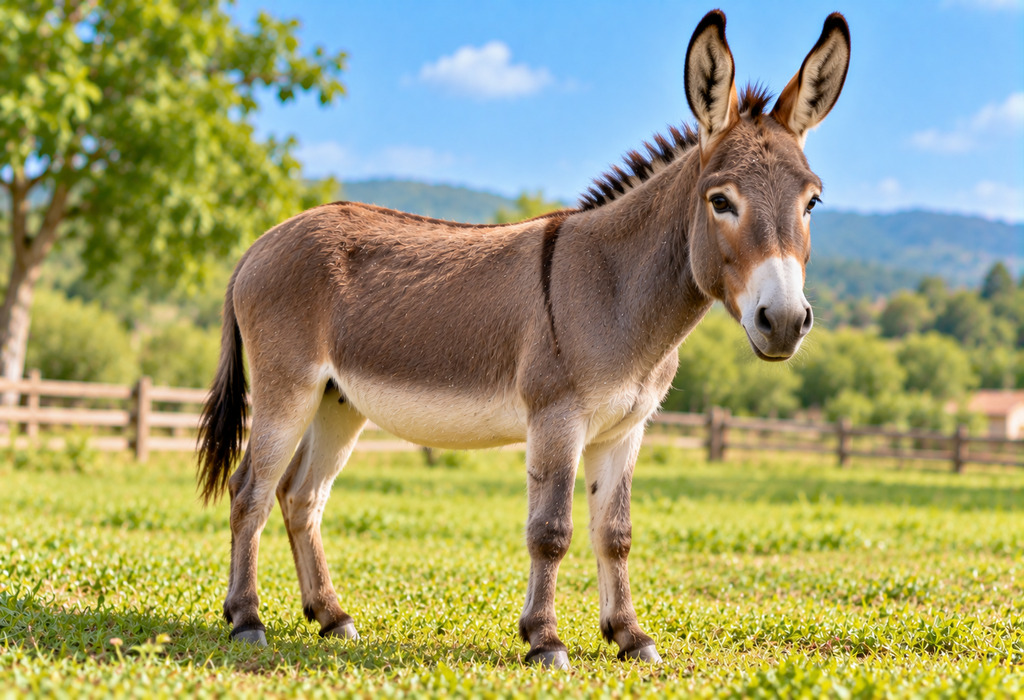
Scientific Name – Equus asinus
Type of Animal – Mammal
Where They Live – Farms and dry grasslands
Fun Facts
- Donkeys have excellent memories and can recognize places for years.
- They can carry heavy loads over rough, rocky terrain.
6. Dove
The gentle dove is a small, peaceful bird known for its soft cooing sound.
Scientific Name – Columbidae family
Type of Animal – Bird
Where They Live – Cities, farms, and woodlands worldwide
Fun Facts
- Doves are often seen as a symbol of peace.
- Both parents feed their babies a special milk from their throats.
7. Dragonfly
Dragonflies are colorful insects with large wings that dart quickly over water.
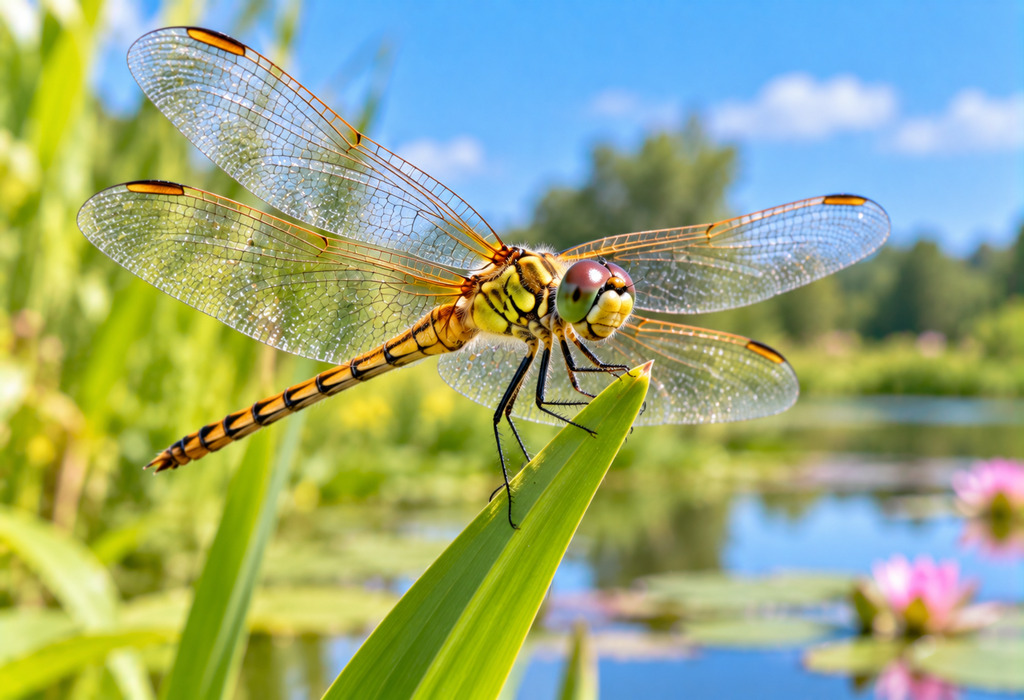
Scientific Name – Anisoptera suborder
Type of Animal – Insect
Where They Live – Near ponds, lakes, and rivers
Fun Facts
- Dragonflies can fly in six directions, including backward.
- They have existed on Earth for over 300 million years.
8. Dalmatian
The Dalmatian is a spotted dog breed made famous by movies and cartoons.
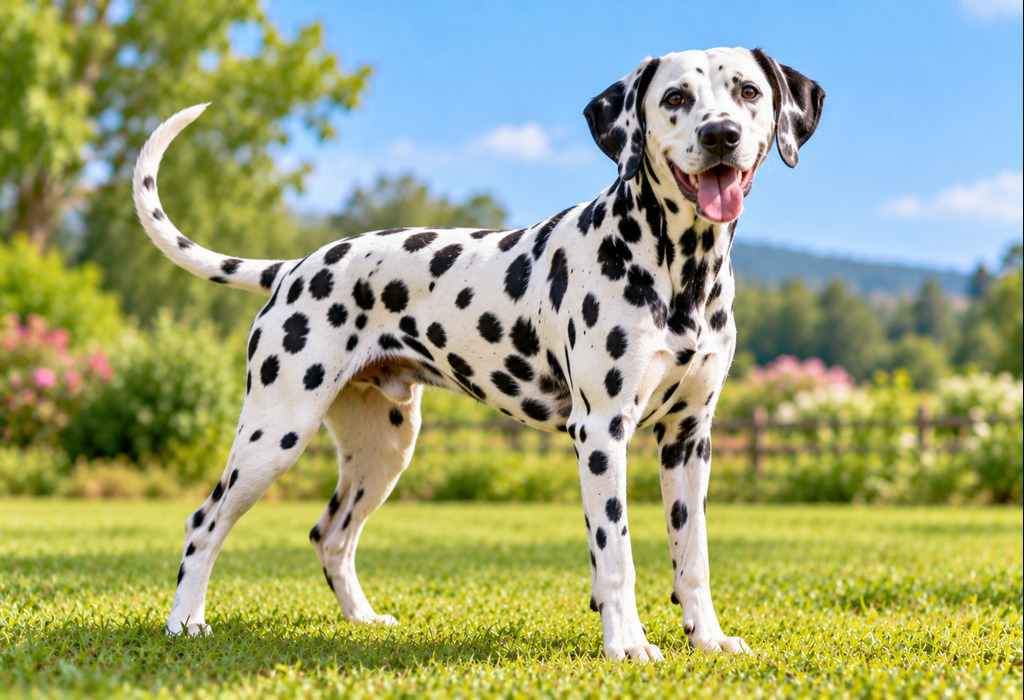
Scientific Name – Canis familiaris
Type of Animal – Mammal (dog breed)
Where They Live – Homes worldwide
Fun Facts
- Dalmatian puppies are born completely white.
- Their spots appear gradually as they grow older.
9. Dachshund
The dachshund is a small dog with a long body and short legs.
Scientific Name – Canis familiaris
Type of Animal – Mammal (dog breed)
Where They Live – Homes worldwide
Fun Facts
- Dachshunds were originally bred to hunt badgers.
- Their long bodies give them the nickname “wiener dogs.”
10. Dromedary Camel
The dromedary camel is a desert animal built to survive hot, dry places.
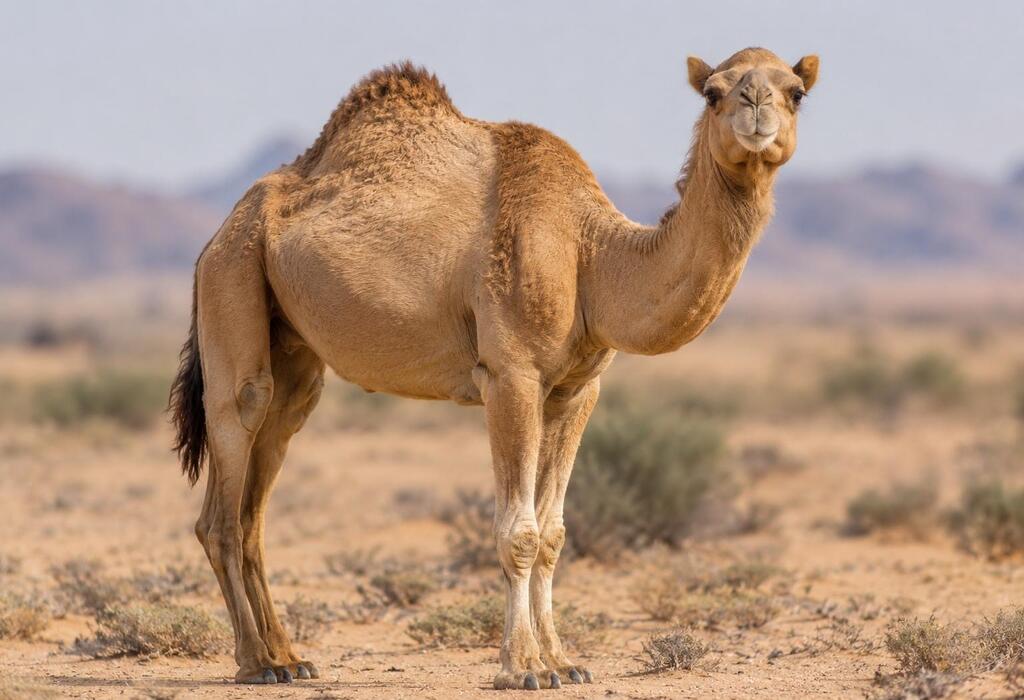
Scientific Name – Camelus dromedarius
Type of Animal – Mammal
Where They Live – Deserts of Africa and the Middle East
Fun Facts
- A dromedary camel has one hump, not two.
- Camels can go without drinking water for many days.
11. Dugong
The dugong is a gentle sea mammal that grazes slowly along shallow coastlines.
Scientific Name – Dugong dugon
Type of Animal – Mammal
Where They Live – Warm coastal waters
Fun Facts
- Dugongs are sometimes nicknamed “sea cows.”
- They spend most of their day eating sea grass.
12. Desert Tortoise
The desert tortoise is a slow-moving reptile with a thick, protective shell.
Scientific Name – Gopherus agassizii
Type of Animal – Reptile
Where They Live – Deserts of North America
Fun Facts
- Desert tortoises can live for more than 50 years.
- They dig burrows underground to escape extreme heat.
13. Tasmanian Devil
The Tasmanian devil is a small, feisty marsupial found only in Tasmania.
Scientific Name – Sarcophilus harrisii
Type of Animal – Mammal
Where They Live – Forests of Tasmania, Australia
Fun Facts
- Tasmanian devils have one of the strongest bites for their size.
- They got their name from their loud, screeching calls.
14. Dorking Chicken
The Dorking chicken is a farmyard bird prized for its meat and gentle temperament.
Scientific Name – Gallus gallus domesticus
Type of Animal – Bird
Where They Live – Farms worldwide
Fun Facts
- Dorking chickens have five toes instead of four.
- They are known for their calm, friendly nature.
15. Dexter Cattle
Dexter cattle are small, hardy cows that are popular on family farms.
Scientific Name – Bos taurus
Type of Animal – Mammal
Where They Live – Farms and pastures
Fun Facts
- Dexter cattle are one of the smallest cattle breeds in the world.
- The breed originally came from Ireland.
16. Dodo
The dodo was a large, flightless bird that no longer exists today.
Scientific Name – Raphus cucullatus
Type of Animal – Bird (extinct)
Where They Live – Once lived on Mauritius Island
Fun Facts
- The dodo could not fly and had no natural fear of people.
- It became extinct in the late 1600s.
17. Dingo
The dingo is a wild dog native to the plains and forests of Australia.
Scientific Name – Canis lupus dingo
Type of Animal – Mammal
Where They Live – Grasslands and forests of Australia
Fun Facts
- Dingoes usually hunt at night in small family groups.
- They rarely bark the way pet dogs do.
18. Dhole
The dhole is a wild dog found in the forests and mountains of Asia.
Scientific Name – Cuon alpinus
Type of Animal – Mammal
Where They Live – Forests of Asia
Fun Facts
- Dholes hunt together in large, coordinated packs.
- They can make whistling sounds to talk to each other.
19. Dik-dik
The dik-dik is a tiny, shy antelope that lives in the grasslands of Africa.
Scientific Name – Madoqua genus
Type of Animal – Mammal
Where They Live – Grasslands and bushlands of Africa
Fun Facts
- Dik-diks are one of the smallest antelopes in the world.
- They usually mate for life with one partner.
20. Dormouse
The dormouse is a small, sleepy rodent that hibernates for most of the winter.
Scientific Name – Muscardinus avellanarius
Type of Animal – Mammal
Where They Live – Woodlands of Europe
Fun Facts
- Dormice can sleep for more than half of the year.
- They have furry tails similar to little squirrels.
21. Duiker
The duiker is a small forest antelope known for its quick, darting movements.
Scientific Name – Cephalophinae subfamily
Type of Animal – Mammal
Where They Live – Forests of Africa
Fun Facts
- Duikers are small, shy antelopes that hide in thick bushes.
- Their name means “diver,” describing how quickly they dash for cover.
22. Darter
The darter is a slender water bird that spears fish with its sharp beak.
Scientific Name – Anhinga genus
Type of Animal – Bird
Where They Live – Lakes and rivers worldwide
Fun Facts
- Darters swim with only their long neck poking above the water.
- They spread their wings wide to dry off after diving.
23. Discus Fish
The discus fish is a colorful, round fish popular in home aquariums.
Scientific Name – Symphysodon genus
Type of Animal – Fish
Where They Live – Rivers of the Amazon
Fun Facts
- Discus fish feed their babies a special nutritious skin mucus.
- Their round, flat shape looks like a spinning discus.
24. Damselfly
The damselfly is a delicate flying insect often mistaken for a small dragonfly.
Scientific Name – Zygoptera suborder
Type of Animal – Insect
Where They Live – Near ponds and streams
Fun Facts
- Damselflies fold their wings together when they rest.
- They are close relatives of dragonflies but much smaller.
25. Damselfish
The damselfish is a small, colorful fish that lives among coral reefs.
Scientific Name – Pomacentridae family
Type of Animal – Fish
Where They Live – Coral reefs worldwide
Fun Facts
- Damselfish fiercely guard their small patch of the reef.
- Many species are bright blue, yellow, or orange.
26. Dab
The dab is a small flatfish that hides on sandy ocean floors.
Scientific Name – Limanda limanda
Type of Animal – Fish
Where They Live – Sandy seabeds of Europe
Fun Facts
- Dabs can shift their color slightly to match the sea floor.
- Both of their eyes sit on one side of their flat body.
27. Darwin’s Frog
Darwin’s frog is a tiny amphibian known for its unusual way of protecting its young.
Scientific Name – Rhinoderma darwinii
Type of Animal – Amphibian
Where They Live – Forests of Chile and Argentina
Fun Facts
- Male Darwin’s frogs carry their tadpoles inside their vocal sac.
- The species is named after the scientist Charles Darwin.
28. Douc Langur
The douc langur is a colorful monkey found in the forests of Southeast Asia.
Scientific Name – Pygathrix genus
Type of Animal – Mammal
Where They Live – Forests of Southeast Asia
Fun Facts
- Douc langurs are nicknamed “costumed apes” for their colorful fur.
- They live mostly in trees and rarely come down to the ground.
29. Drill
The drill is a strong, forest-dwelling monkey related to the colorful mandrill.
Scientific Name – Mandrillus leucophaeus
Type of Animal – Mammal
Where They Live – Forests of West Africa
Fun Facts
- Drills live in large family groups led by one male.
- They are close relatives of the mandrill.
30. Dwarf Gecko
The dwarf gecko is one of the smallest reptiles in the world.
Scientific Name – Sphaerodactylus genus
Type of Animal – Reptile
Where They Live – Tropical forests worldwide
Fun Facts
- Some dwarf geckos are smaller than a coin.
- They can lay just one tiny egg at a time.
31. Dwarf Hamster
The dwarf hamster is a tiny, popular pet known for its speedy energy.
Scientific Name – Phodopus genus
Type of Animal – Mammal
Where They Live – Deserts and grasslands of Asia
Fun Facts
- Dwarf hamsters can run several miles on their wheel each night.
- They store food in their large cheek pouches.
32. Death Adder
The death adder is a short, camouflaged snake that hunts by surprise.
Scientific Name – Acanthophis genus
Type of Animal – Reptile
Where They Live – Forests and deserts of Australia
Fun Facts
- Death adders wait quietly and ambush prey instead of chasing it.
- They wiggle their tail like a worm to lure prey close.
33. Dunnart
The dunnart is a small, mouse-like marsupial found across Australia.
Scientific Name – Sminthopsis genus
Type of Animal – Mammal
Where They Live – Deserts and grasslands of Australia
Fun Facts
- Dunnarts are tiny marsupials that look a lot like mice.
- They can eat almost their body weight in insects each night.
34. Dunlin
The dunlin is a small shorebird known for its long migrations along coastlines.
Scientific Name – Calidris alpina
Type of Animal – Bird
Where They Live – Coastlines worldwide
Fun Facts
- Dunlins travel in large flocks that move together like a cloud.
- They probe the mud with their beaks to find food.
35. Duck-billed Platypus
The duck-billed platypus is an unusual mammal with a bill like a duck.
Scientific Name – Ornithorhynchus anatinus
Type of Animal – Mammal
Where They Live – Rivers and streams of Australia
Fun Facts
- The platypus is one of the only mammals that lays eggs.
- Males have a venomous spur on their back legs.
36. Desert Locust
The desert locust is a jumping insect that can form huge, fast-moving swarms.
Scientific Name – Schistocerca gregaria
Type of Animal – Insect
Where They Live – Deserts of Africa and the Middle East
Fun Facts
- Desert locusts can travel in swarms of millions.
- A single swarm can eat as much food as thousands of people.
37. Darkling Beetle
The darkling beetle is a hardy desert insect built to survive with little water.
Scientific Name – Tenebrionidae family
Type of Animal – Insect
Where They Live – Deserts worldwide
Fun Facts
- Darkling beetles can collect drinking water from early morning fog.
- Some species can survive in extremely hot, dry sand.
38. Dorcas Gazelle
The Dorcas gazelle is a small, speedy antelope adapted to desert life.
Scientific Name – Gazella dorcas
Type of Animal – Mammal
Where They Live – Deserts of Africa and the Middle East
Fun Facts
- Dorcas gazelles can survive without drinking water for long periods.
- They can run very fast to escape predators like cheetahs.
39. Drone Bee
The drone is a male honeybee that lives inside a busy beehive colony.
Scientific Name – Apis mellifera
Type of Animal – Insect
Where They Live – Beehives worldwide
Fun Facts
- Drone bees do not have stingers.
- Their only job is to mate with a queen bee.
40. Dorado Fish
The dorado is a fast-swimming ocean fish famous for its shimmering colors.
Scientific Name – Coryphaena hippurus
Type of Animal – Fish
Where They Live – Warm ocean waters worldwide
Fun Facts
- Dorado fish can change color slightly when they get excited.
- They are known for their bright blue and gold scales.
From loyal dogs and playful dolphins to rarer creatures like the dhole and the dodo, animals starting with letter d offer children a fun and educational journey into the natural world. This list shows that the letter D introduces an incredible variety of wild, farm, and pet animals from every corner of the globe. Learning about these forty creatures can help young readers build vocabulary while discovering new facts about nature. Whether for a classroom project or simple curiosity, exploring animal name start with alphabet d is a wonderful way to spark a child’s love of animals.
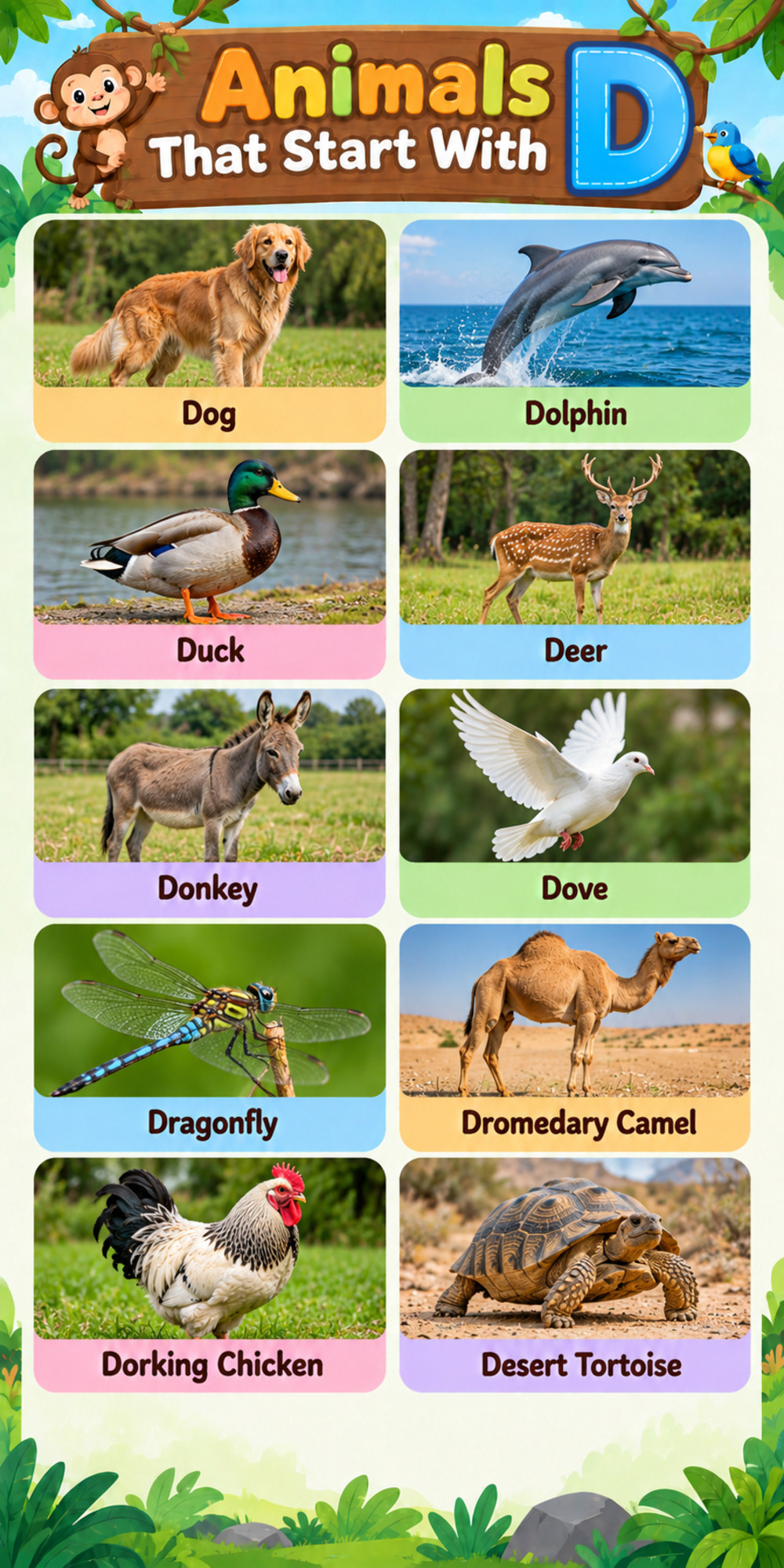
Infographic – Animals Starting With Letter D
Also Read: Animals That Begin With Letter A to Z