

From gentle giraffes to giggly geckos, the animal kingdom is bursting with fascinating creatures whose names begin with the letter G. Every animal begin with g on this list has been chosen especially for young explorers, blending everyday favourites like goats and geese with more surprising picks like gharials and genets. Children up to eight years old will love discovering where these animals live, what makes them special, and the fun facts that set each one apart. Grab your curiosity and get ready to meet forty amazing animals, one letter G at a time!
Animals Names Beginning With G
This list introduces animal name start with alphabet g favourites that children can easily recognise and enjoy learning about. From farmyard friends to wild wonders, each entry below brings a fresh story for young animal lovers to discover.
1. Giraffe
Giraffes are the tallest animals on Earth, using their long necks to reach leaves high in the treetops.
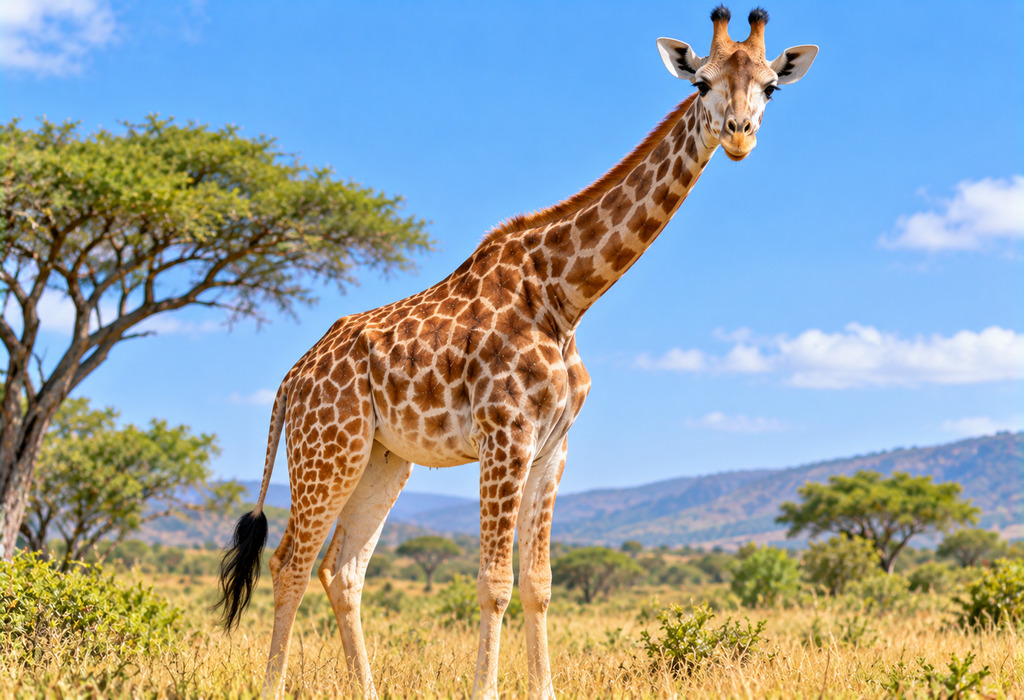
Scientific Name – Giraffa camelopardalis
Type of Animal – Mammal
Where They Live – African savannas and open woodlands
Fun Facts
- A giraffe’s tongue can grow up to 50 centimetres long, helping it grab leaves from thorny branches.
- Giraffes only need to sleep for about 30 minutes to two hours each day.
2. Gorilla
Gorillas are gentle giants that live in family groups and communicate through grunts, gestures and chest-beating.
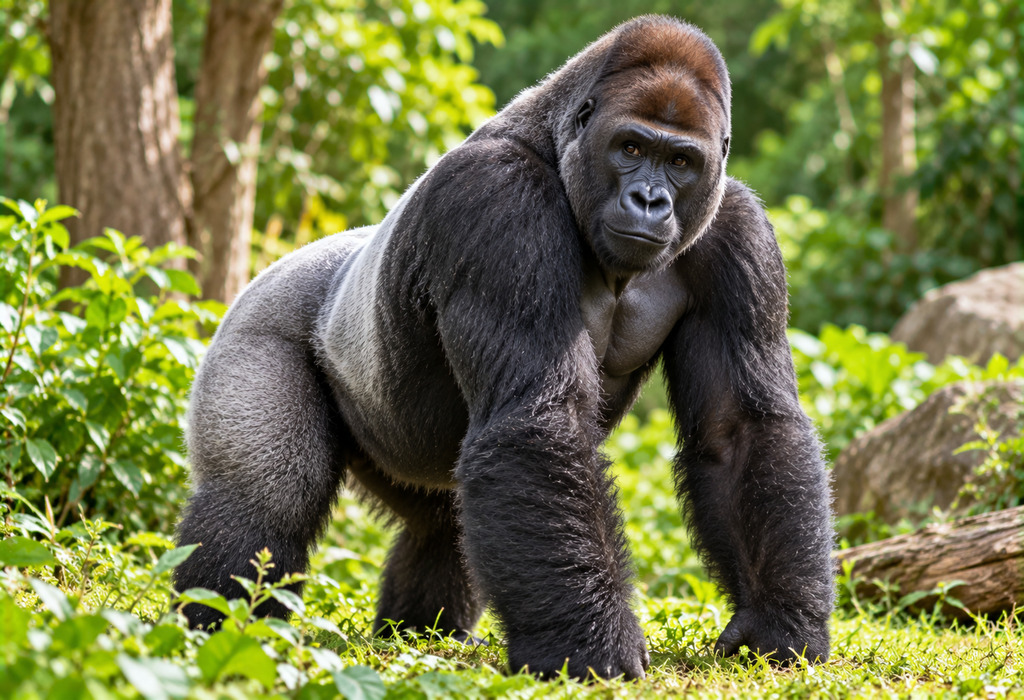
Scientific Name – Gorilla gorilla
Type of Animal – Mammal
Where They Live – Tropical forests of central Africa
Fun Facts
- Gorillas share about 98 percent of their DNA with humans.
- Baby gorillas learn to walk at around nine months old, just like human babies.
3. Goat
Goats are curious, sure-footed animals that love to climb rocks, hills and even trees in some regions.
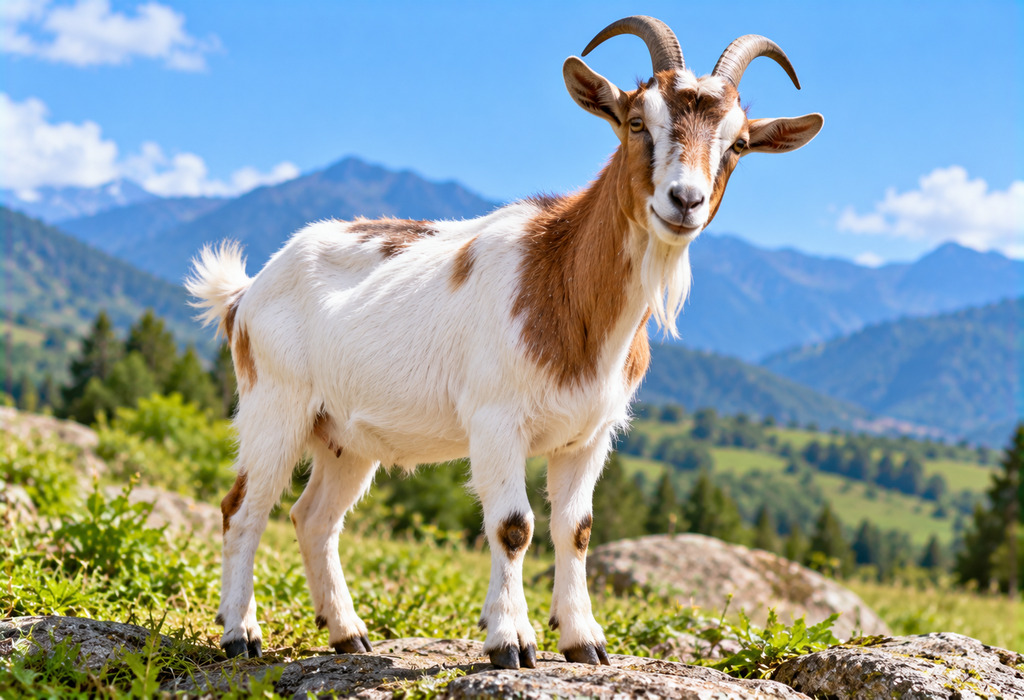
Scientific Name – Capra aegagrus hircus
Type of Animal – Mammal
Where They Live – Farms and mountainous regions worldwide
Fun Facts
- Goats have rectangular pupils that give them an almost 320-degree field of vision.
- A group of goats is called a trip or a tribe.
4. Goose
Geese are loud, social birds often seen flying together in a V-shaped formation during migration.
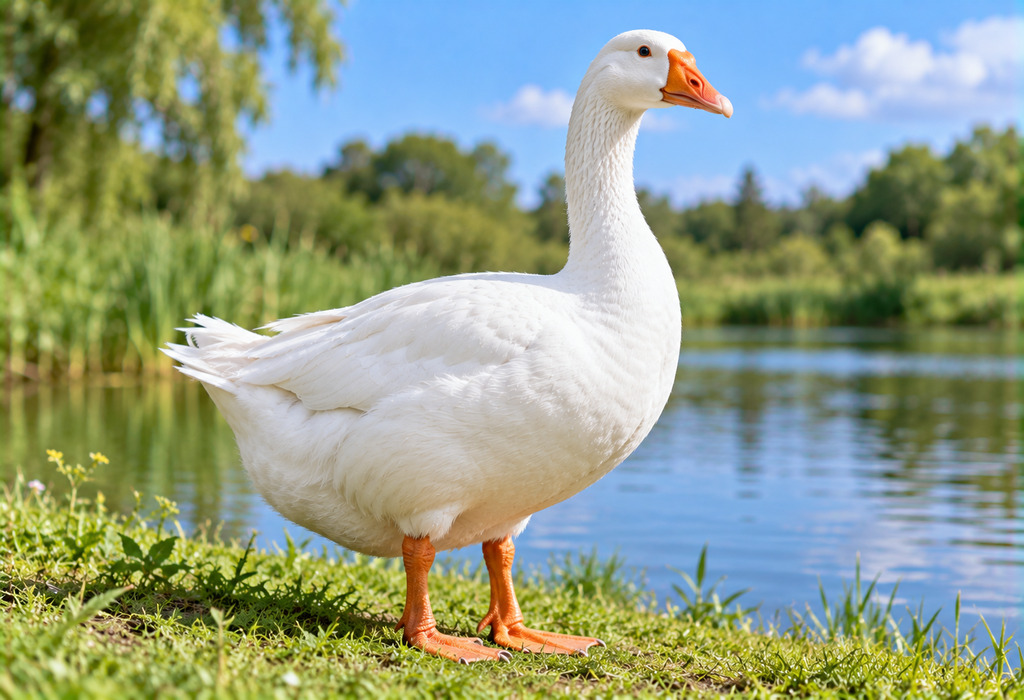
Scientific Name – Anser anser
Type of Animal – Bird
Where They Live – Wetlands, farms and grassy fields
Fun Facts
- Geese mate for life and often stay with the same partner for many years.
- A group of geese on the ground is called a gaggle.
5. Guinea Pig
Guinea pigs are small, friendly rodents that are popular pets and love to squeak when they are happy.
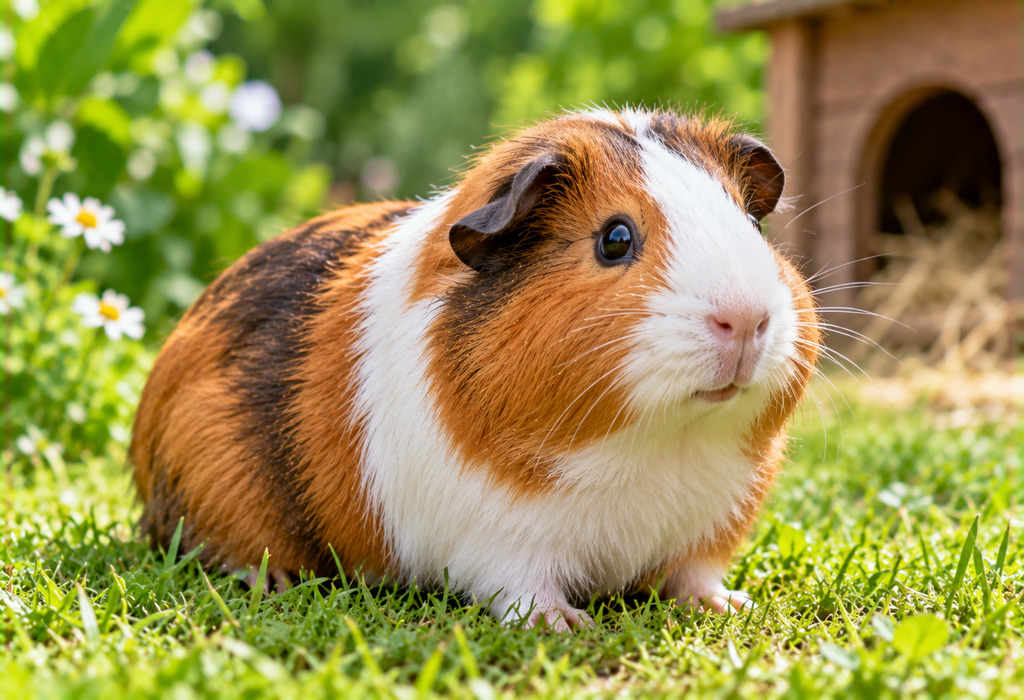
Scientific Name – Cavia porcellus
Type of Animal – Mammal
Where They Live – Homes as pets, originally from South America
Fun Facts
- Guinea pigs make a happy popcorn-like jump when they are excited.
- They cannot produce their own vitamin C, so it must come from their food.
6. Gecko
Geckos are small lizards famous for their sticky toes, which let them climb walls and even ceilings.
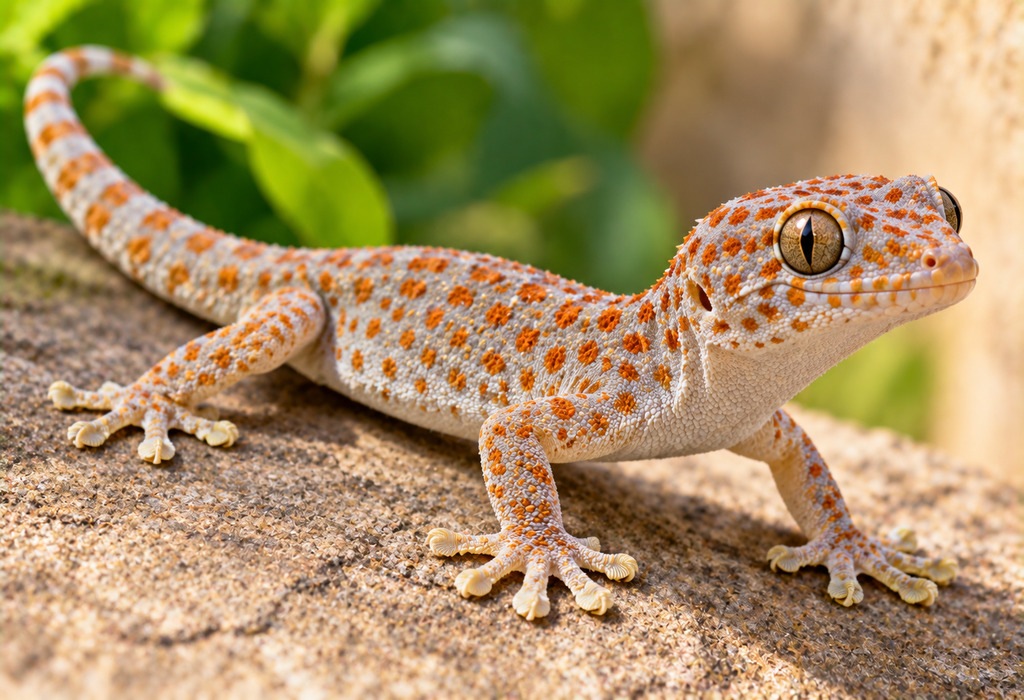
Scientific Name – Gekkonidae
Type of Animal – Reptile
Where They Live – Warm regions worldwide, including deserts and rainforests
Fun Facts
- Many geckos can lick their own eyes clean because they have no eyelids.
- Some geckos can drop their tails to escape predators, then grow a new one.
7. Grasshopper
Grasshoppers are jumping insects known for their powerful back legs and the chirping sounds they make.
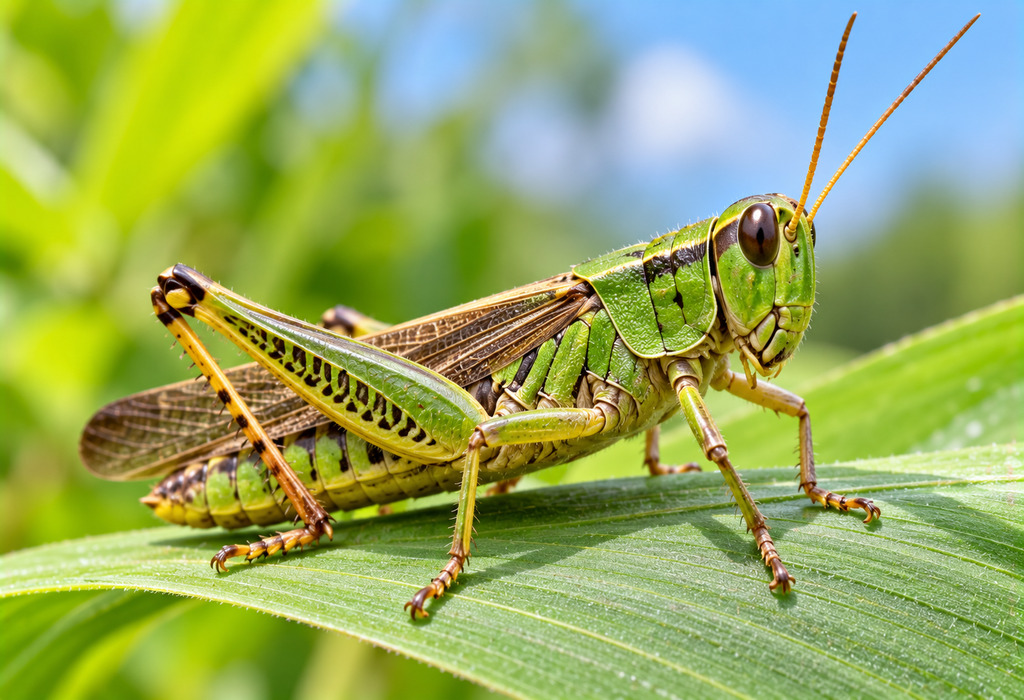
Scientific Name – Caelifera
Type of Animal – Insect
Where They Live – Grasslands, meadows and gardens worldwide
Fun Facts
- Grasshoppers can jump 20 times the length of their own body.
- They taste and smell using sensors on their antennae and feet.
8. Groundhog
Groundhogs are burrowing rodents best known for predicting the arrival of spring on Groundhog Day.
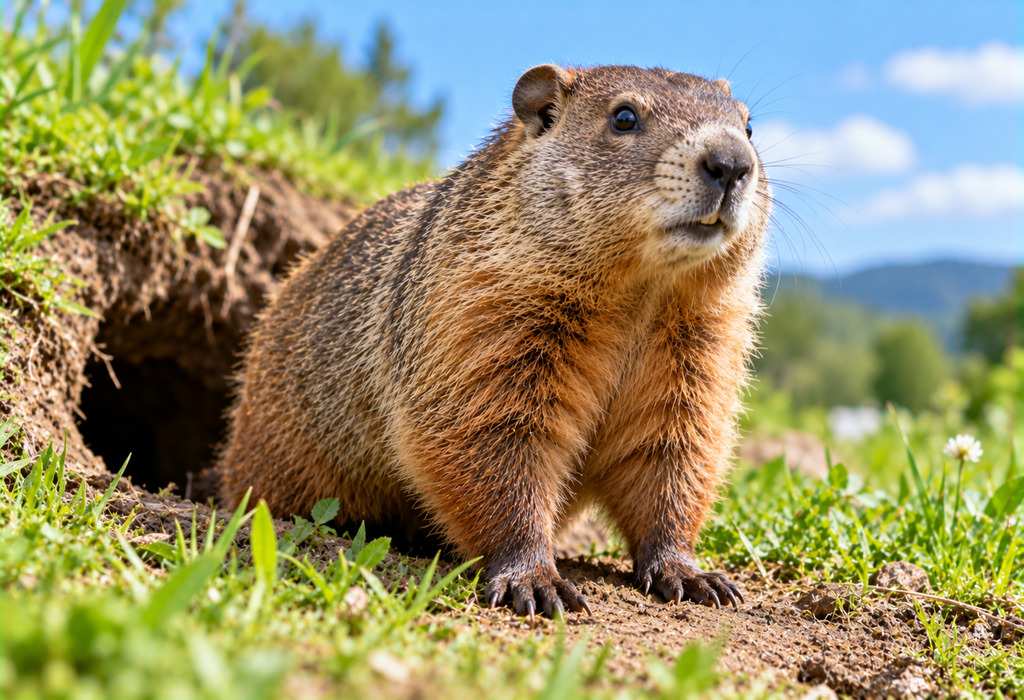
Scientific Name – Marmota monax
Type of Animal – Mammal
Where They Live – Fields, forests and roadsides in North America
Fun Facts
- Groundhogs whistle loudly when they sense danger nearby.
- They hibernate for several months, slowing their heartbeat to save energy.
9. Gazelle
Gazelles are graceful, fast-running animals that can leap high into the air to escape predators.
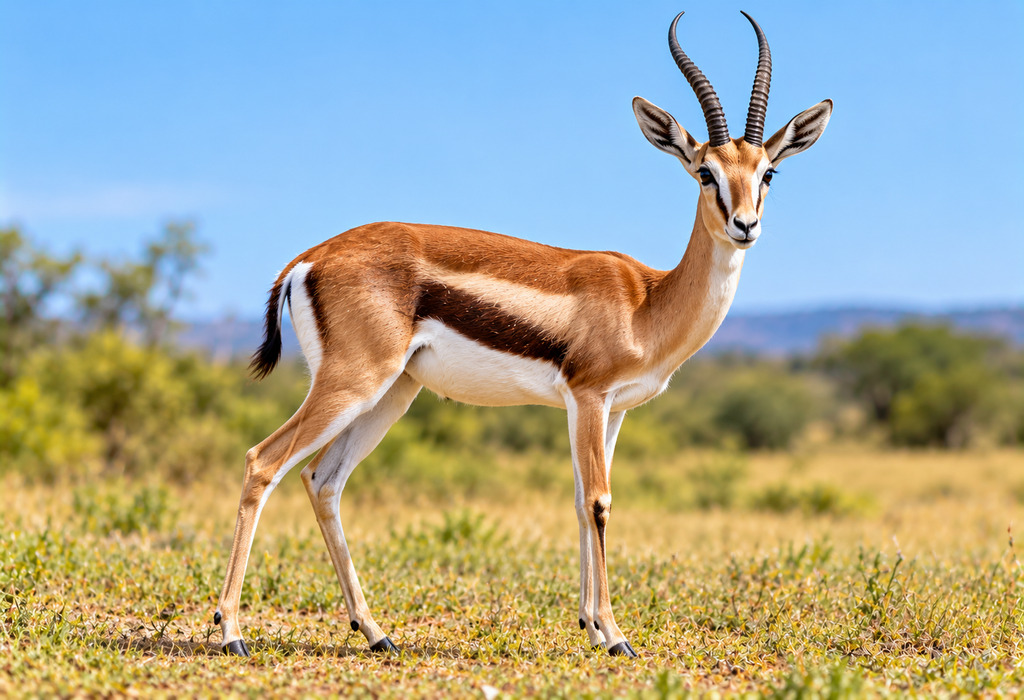
Scientific Name – Gazella
Type of Animal – Mammal
Where They Live – African and Asian grasslands and deserts
Fun Facts
- Gazelles can run at speeds of up to 60 kilometres per hour.
- Their leaping bounce is called “stotting” and may warn other gazelles of danger.
10. Great White Shark
Great white sharks are powerful ocean predators with rows of sharp, triangular teeth.
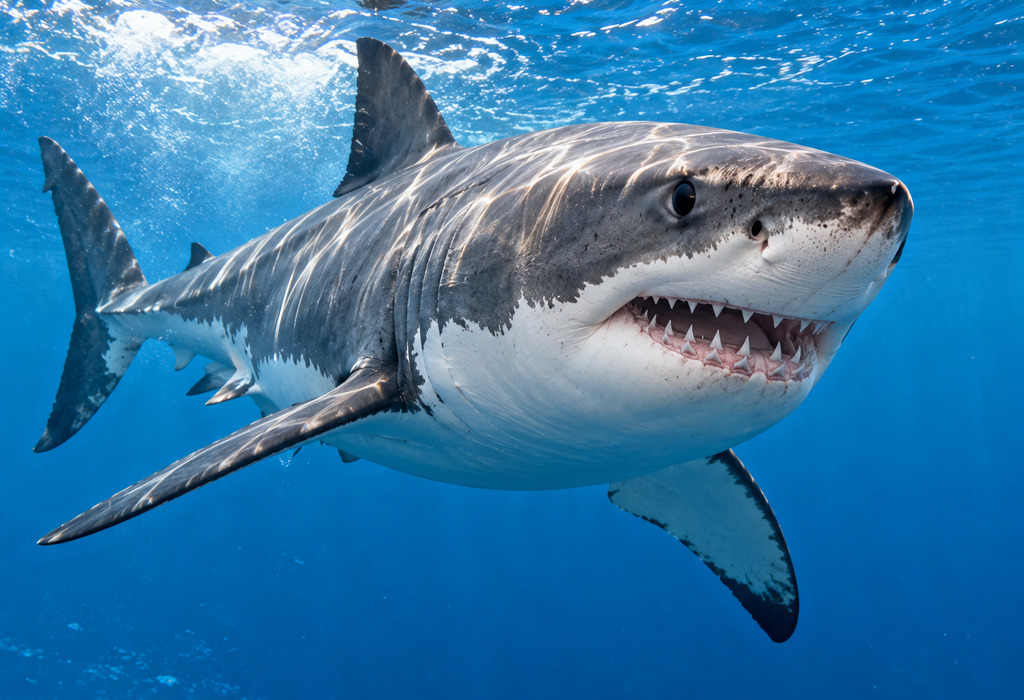
Scientific Name – Carcharodon carcharias
Type of Animal – Fish
Where They Live – Coastal and open oceans worldwide
Fun Facts
- Great white sharks can smell a single drop of blood in a huge amount of water.
- They can grow new teeth throughout their entire lives.
11. Gibbon
Gibbons are small, energetic apes known for swinging swiftly through the trees using their long arms.
Scientific Name – Hylobatidae
Type of Animal – Mammal
Where They Live – Tropical rainforests of Southeast Asia
Fun Facts
- Gibbons can swing between branches at speeds of up to 55 kilometres per hour.
- They sing loud, musical calls to communicate with their family group.
12. Guppy
Guppies are tiny, colourful fish that are popular in home aquariums because they are easy to care for.
Scientific Name – Poecilia reticulata
Type of Animal – Fish
Where They Live – Freshwater streams and home aquariums
Fun Facts
- Male guppies have much brighter colours and patterns than females.
- Guppies give birth to live young instead of laying eggs.
13. Gopher
Gophers are burrowing rodents that dig extensive underground tunnels to store food and stay safe.
Scientific Name – Geomyidae
Type of Animal – Mammal
Where They Live – Grasslands and fields across North and Central America
Fun Facts
- Gophers have fur-lined cheek pouches used to carry food back to their burrows.
- A single gopher can move several tonnes of soil in one year.
14. Grizzly Bear
Grizzly bears are large, powerful bears with a distinctive shoulder hump made of muscle.
Scientific Name – Ursus arctos horribilis
Type of Animal – Mammal
Where They Live – Forests and mountains of North America
Fun Facts
- Grizzly bears can run as fast as 55 kilometres per hour despite their size.
- They have an excellent sense of smell, far stronger than a bloodhound’s.
15. Green Iguana
Green iguanas are large lizards with a row of spines running down their back and tail.
Scientific Name – Iguana iguana
Type of Animal – Reptile
Where They Live – Tropical rainforests of Central and South America
Fun Facts
- Green iguanas can hold their breath underwater for up to 30 minutes.
- Their long tail can snap off if grabbed by a predator and later regrow.
16. Galapagos Tortoise
Galapagos tortoises are giant, slow-moving reptiles known for living exceptionally long lives.
Scientific Name – Chelonoidis niger
Type of Animal – Reptile
Where They Live – The Galapagos Islands
Fun Facts
- Galapagos tortoises can live for more than 100 years.
- They can survive up to a year without eating or drinking.
17. Golden Eagle
Golden eagles are powerful birds of prey with incredible eyesight and sharp, curved talons.
Scientific Name – Aquila chrysaetos
Type of Animal – Bird
Where They Live – Mountains, cliffs and open countryside worldwide
Fun Facts
- Golden eagles can spot a rabbit from nearly three kilometres away.
- They can dive at speeds of over 240 kilometres per hour while hunting.
18. Garter Snake
Garter snakes are small, harmless snakes often found in gardens, parks and near ponds.
Scientific Name – Thamnophis sirtalis
Type of Animal – Reptile
Where They Live – Gardens, meadows and wetlands across North America
Fun Facts
- Garter snakes give birth to live young rather than laying eggs.
- They can release a musky smell to scare away predators.
19. Gnat
Gnats are tiny flying insects often seen buzzing in small clouds near plants and water.
Scientific Name – Nematocera
Type of Animal – Insect
Where They Live – Gardens, forests and wetlands worldwide
Fun Facts
- Some gnats can beat their wings hundreds of times per second.
- Many gnat species live for only a few days as adults.
20. Gharial
Gharials are long-snouted crocodile relatives with narrow jaws lined with sharp teeth for catching fish.
Scientific Name – Gavialis gangeticus
Type of Animal – Reptile
Where They Live – Rivers of northern India and Nepal
Fun Facts
- Male gharials grow a bulb-shaped bump on their snout called a “ghara.”
- Gharials are excellent swimmers but move very awkwardly on land.
21. Gaur
Gaurs are the largest wild cattle in the world, with a muscular hump above their shoulders.
Scientific Name – Bos gaurus
Type of Animal – Mammal
Where They Live – Forests and hills of South and Southeast Asia
Fun Facts
- Gaurs can weigh as much as a small car, up to 1,500 kilograms.
- Despite their size, gaurs are shy and usually avoid humans.
22. Genet
Genets are slender, spotted mammals with long tails, often mistaken for a cross between a cat and a weasel.
Scientific Name – Genetta genetta
Type of Animal – Mammal
Where They Live – Forests and savannas of Africa and parts of Europe
Fun Facts
- Genets are excellent climbers and spend much of their time in trees.
- Their tail can be almost as long as their entire body.
23. Gerbil
Gerbils are small, active rodents with long tails that are popular pets around the world.
Scientific Name – Gerbillinae
Type of Animal – Mammal
Where They Live – Deserts and homes as pets
Fun Facts
- Gerbils thump their back feet on the ground to warn others of danger.
- They are naturally desert animals and need very little water to survive.
24. Giant Anteater
Giant anteaters use their long snouts and sticky tongues to slurp up thousands of insects each day.
Scientific Name – Myrmecophaga tridactyla
Type of Animal – Mammal
Where They Live – Grasslands and forests of Central and South America
Fun Facts
- A giant anteater’s tongue can flick in and out up to 150 times a minute.
- They have no teeth and swallow ants and termites whole.
25. Giant Panda
Giant pandas are black-and-white bears that spend most of their day eating bamboo.
Scientific Name – Ailuropoda melanoleuca
Type of Animal – Mammal
Where They Live – Bamboo forests in the mountains of central China
Fun Facts
- Giant pandas can eat up to 38 kilograms of bamboo in a single day.
- Newborn pandas are pink, hairless and roughly the size of a stick of butter.
26. Giant Tortoise
Giant tortoises are enormous, slow-moving reptiles known for their thick, domed shells.
Scientific Name – Aldabrachelys gigantea
Type of Animal – Reptile
Where They Live – Remote islands, including Aldabra Atoll
Fun Facts
- Giant tortoises can weigh over 250 kilograms.
- Their shell grows with them throughout their entire life.
27. Giant Squid
Giant squids are mysterious deep-sea creatures with enormous eyes, the largest of any animal on Earth.
Scientific Name – Architeuthis dux
Type of Animal – Mollusc
Where They Live – Deep oceans worldwide
Fun Facts
- A giant squid’s eyes can be as large as a dinner plate.
- Giant squids can grow up to 13 metres long, including their tentacles.
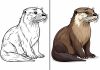
28. Giant Otter
Giant otters are playful, social animals that live in family groups and hunt fish together in rivers.
Scientific Name – Pteronura brasiliensis
Type of Animal – Mammal
Where They Live – Rivers and wetlands of South America
Fun Facts
- Giant otters can grow up to 1.8 metres long, nose to tail.
- They are sometimes called “river wolves” because they hunt in packs.
29. Golden Retriever
Golden retrievers are friendly, intelligent dogs known for their gentle nature and love of playing fetch.
Scientific Name – Canis lupus familiaris
Type of Animal – Mammal
Where They Live – Homes worldwide as pets and working dogs
Fun Facts
- Golden retrievers were originally bred in Scotland to retrieve game for hunters.
- Their soft mouths let them carry an egg without breaking it.
30. Golden Pheasant
Golden pheasants are strikingly colourful birds with bright golden crests and long, patterned tails.
Scientific Name – Chrysolophus pictus
Type of Animal – Bird
Where They Live – Forests and mountains of western China
Fun Facts
- Male golden pheasants use their colourful feathers to attract a mate.
- Their tail can make up more than half of their total body length.
31. Guinea Fowl
Guinea fowl are spotted farmyard birds known for their loud, chattering calls.
Scientific Name – Numida meleagris
Type of Animal – Bird
Where They Live – Farms and grasslands, originally from Africa
Fun Facts
- Guinea fowl are excellent at eating ticks and other garden pests.
- They often act as noisy “watchdogs,” calling loudly when strangers approach.
32. Seagull
Seagulls are clever coastal birds that are often seen swooping near beaches in search of food.
Scientific Name – Larus
Type of Animal – Bird
Where They Live – Coastlines, lakes and cities worldwide
Fun Facts
- Seagulls can drink both salt water and fresh water.
- They are excellent problem-solvers and can be seen dropping shells to crack them open.
33. Grey Wolf
Grey wolves are highly social animals that live and hunt together in family groups called packs.
Scientific Name – Canis lupus
Type of Animal – Mammal
Where They Live – Forests, tundra and mountains across the Northern Hemisphere
Fun Facts
- Grey wolves can travel more than 30 kilometres in a single day.
- Each wolf pack has its own unique howl that members recognise.
34. Green Sea Turtle
Green sea turtles are gentle ocean reptiles that travel long distances between feeding and nesting grounds.
Scientific Name – Chelonia mydas
Type of Animal – Reptile
Where They Live – Tropical and subtropical oceans worldwide
Fun Facts
- Green sea turtles can hold their breath for several hours while resting.
- Female turtles return to the very beach where they hatched to lay their own eggs.
35. Glowworm
Glowworms are insects that produce their own soft, greenish light to attract mates on dark nights.
Scientific Name – Lampyris noctiluca
Type of Animal – Insect
Where They Live – Grassy banks, hedgerows and woodlands
Fun Facts
- A glowworm’s light comes from a chemical reaction called bioluminescence.
- Only the wingless female glowworm produces the glow that gives the species its name.
36. Goldfish
Goldfish are colourful, hardy fish that are one of the most popular pets in the world.
Scientific Name – Carassius auratus
Type of Animal – Fish
Where They Live – Ponds, tanks and home aquariums
Fun Facts
- Goldfish can live for more than 20 years with proper care.
- They do not actually have a memory span of just a few seconds, as is often believed.
37. Grouper
Groupers are large, sturdy fish that hide among rocks and reefs while hunting smaller prey.
Scientific Name – Epinephelinae
Type of Animal – Fish
Where They Live – Coral reefs and rocky coastal waters worldwide
Fun Facts
- Some groupers can change their colour to blend into their surroundings.
- Many groupers can change from female to male during their lifetime.
38. Galah
Galahs are pink-and-grey parrots known for their playful personality and loud, cheerful calls.
Scientific Name – Eolophus roseicapillus
Type of Animal – Bird
Where They Live – Woodlands and open country across Australia
Fun Facts
- Galahs often hang upside down from branches purely for fun.
- They can live for over 40 years in the wild.
39. Green Tree Frog
Green tree frogs have sticky toe pads that let them cling to leaves and branches high above the ground.
Scientific Name – Dryophytes cinereus
Type of Animal – Amphibian
Where They Live – Wetlands, ponds and forests
Fun Facts
- Green tree frogs can change their shade slightly depending on temperature and light.
- Their loud, honking call can often be heard on warm, humid nights.
40. Gopher Snake
Gopher snakes are non-venomous snakes that sometimes hiss and shake their tail to mimic a rattlesnake.
Scientific Name – Pituophis catenifer
Type of Animal – Reptile
Where They Live – Deserts, grasslands and farmland across North America
Fun Facts
- Gopher snakes are excellent burrowers and often take over abandoned rodent tunnels.
- They help farmers by eating large numbers of rodents and pests.
Learning about animals starting with letter g is a wonderful way for children to build their vocabulary while exploring the natural world. From towering giraffes to tiny glowworms, this list shows just how varied and surprising the animal kingdom can be. Each creature offers its own habitat, appearance and fascinating facts for young minds to remember. With forty new friends to discover, letter G has proven to be one of the most exciting letters in the animal alphabet.
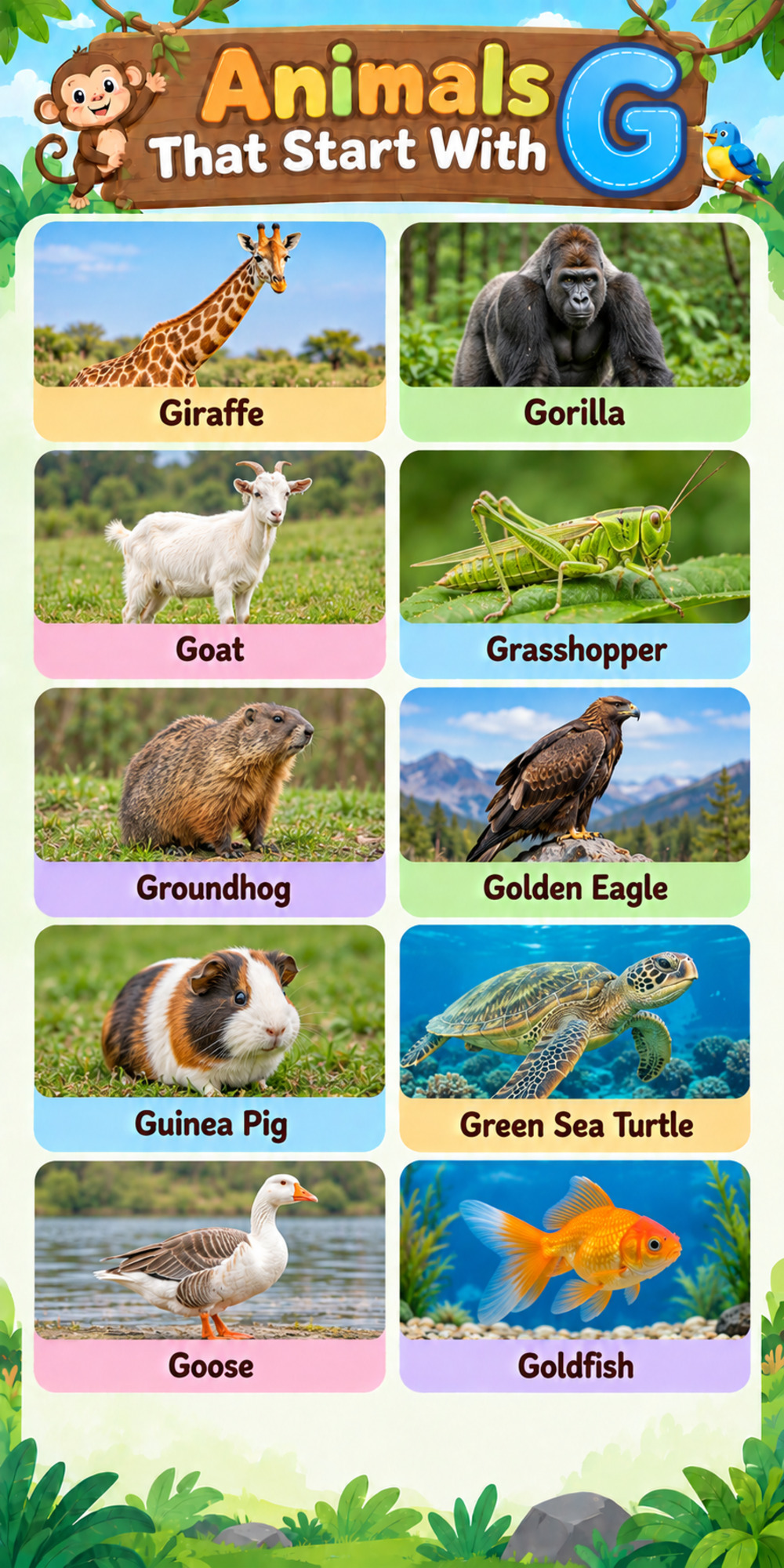
Infographic – Animals Starting With Letter G
Also Read: Animals That Begin With Letter A to Z