

Have you ever wondered how many creatures share the same first letter? If you ask any child to name an animal begin with f, they might say “fox” or “frog” right away — but there are so many more! From tiny fireflies to giant forest elephants, the letter F introduces us to a wonderful mix of mammals, birds, fish, and bugs. This list is perfect for curious kids, parents, and teachers looking for a fun, easy animal guide.
Animals Names Beginning With F
Below are fun animals starting with letter f, each with simple facts for young learners. Every animal name start with alphabet f on this list includes its scientific name, animal type, habitat, and two fun facts.
1. Fox
Foxes are clever, bushy-tailed animals with orange fur and pointy ears.
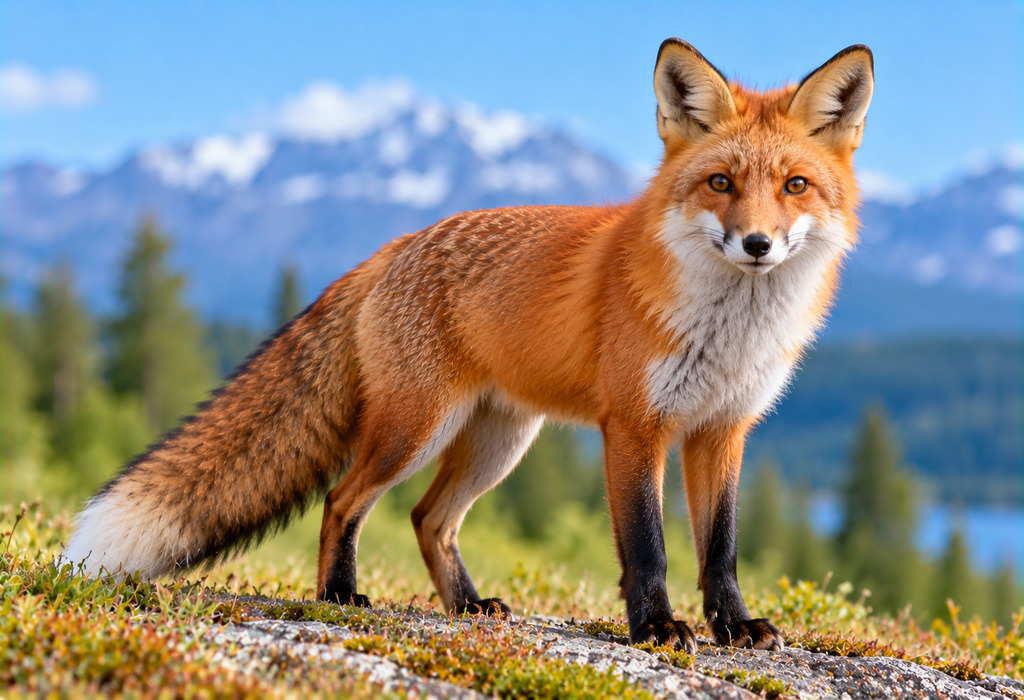
Scientific Name – Vulpes vulpes
Type of Animal – Mammal
Where They Live – Forests, grasslands, and cities worldwide
Fun Facts
- Foxes can hear animals moving underground.
- A group of foxes is called a skulk.
2. Frog
Frogs are small, jumpy amphibians that love ponds and streams.
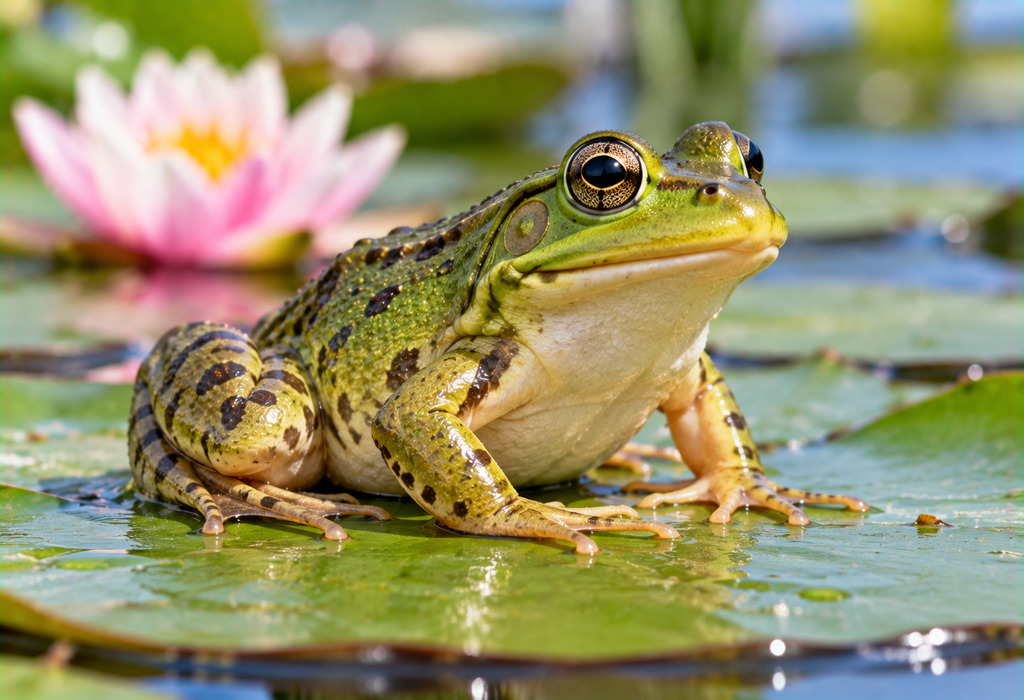
Scientific Name – Rana temporaria
Type of Animal – Amphibian
Where They Live – Ponds, rivers, and damp forests
Fun Facts
- Frogs breathe partly through their skin.
- Baby frogs are called tadpoles.
3. Flamingo
Flamingos are tall pink birds known for standing on one leg.
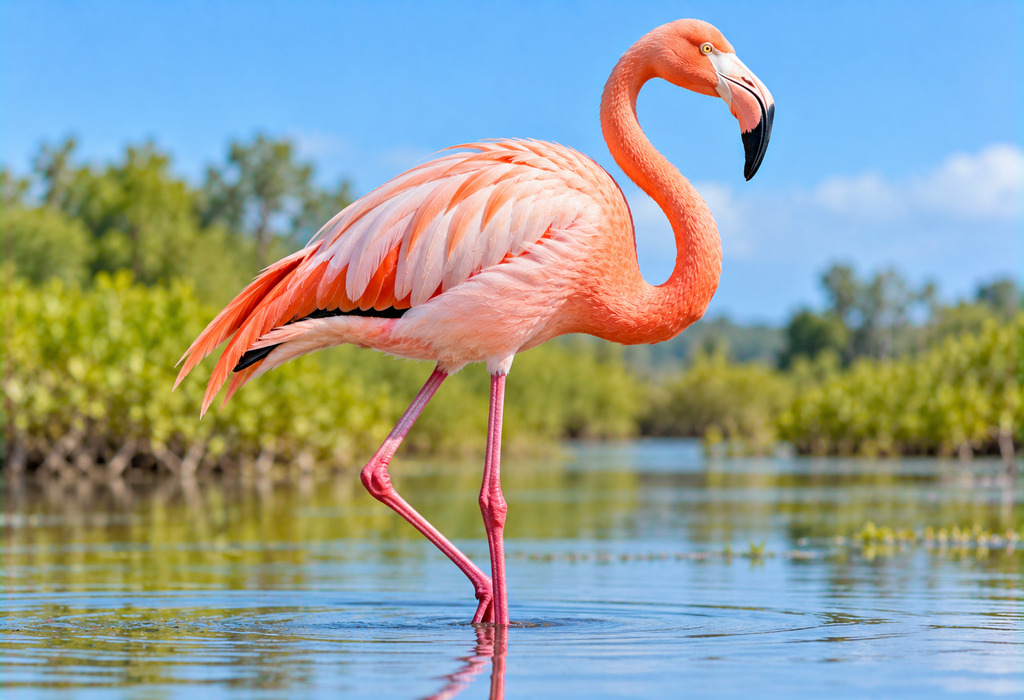
Scientific Name – Phoenicopterus roseus
Type of Animal – Bird
Where They Live – Shallow lakes in warm regions
Fun Facts
- Flamingos turn pink from the shrimp they eat.
- They often sleep standing on one leg.
4. Falcon
Falcons are fast birds of prey with sharp eyesight.
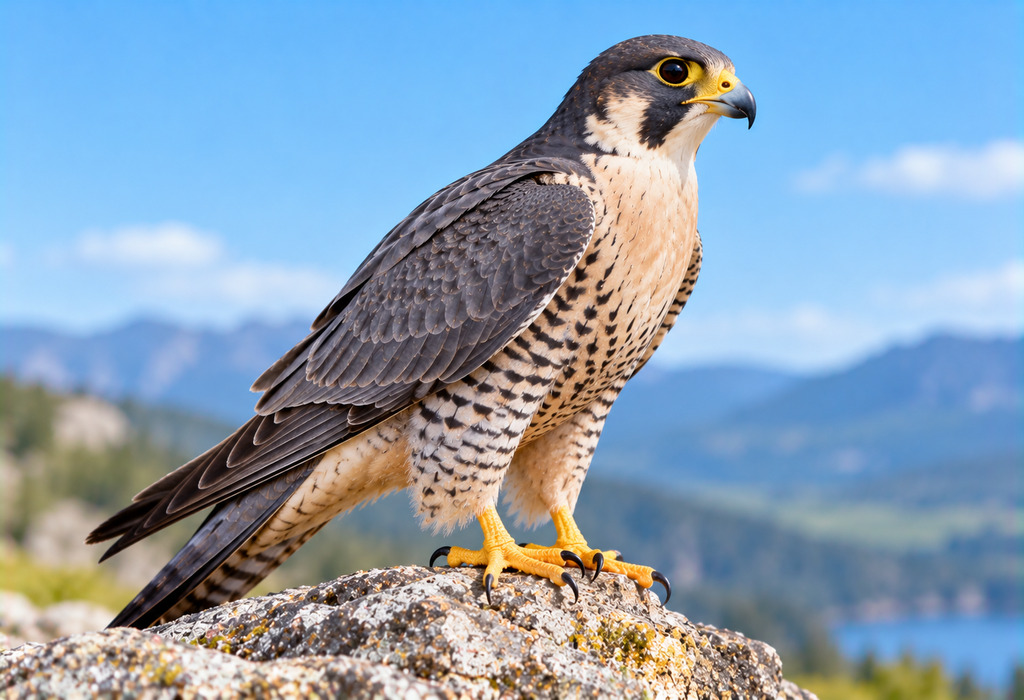
Scientific Name – Falco peregrinus
Type of Animal – Bird
Where They Live – Cliffs, open skies, and city buildings
Fun Facts
- Peregrine falcons are the fastest animals alive.
- They can spot prey from high in the sky.
5. Ferret
Ferrets are playful, long-bodied mammals often kept as pets.
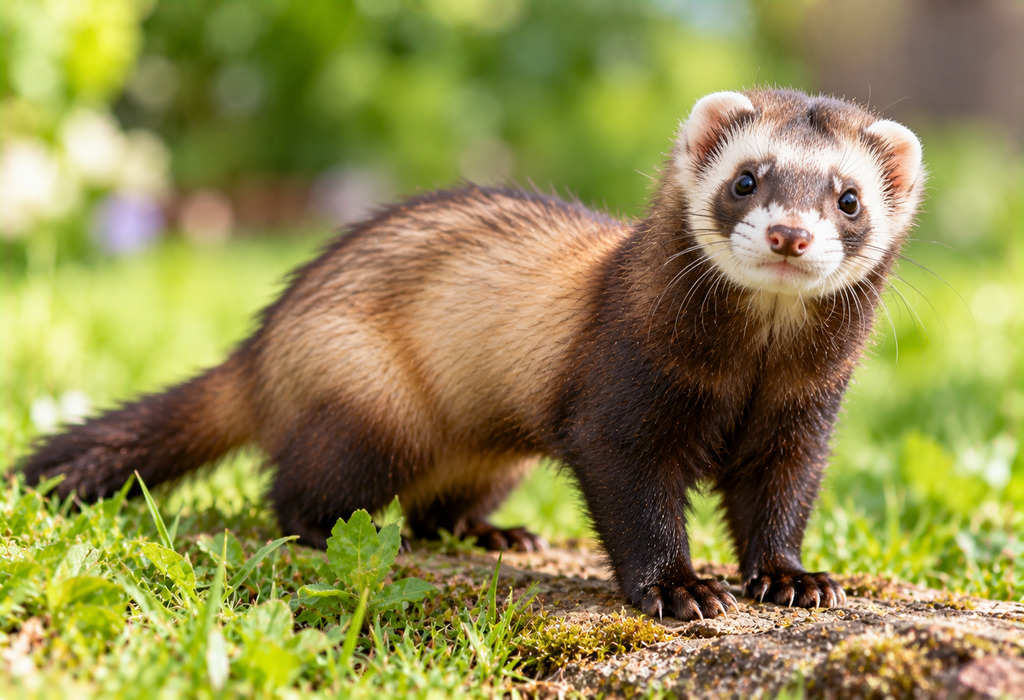
Scientific Name – Mustela putorius furo
Type of Animal – Mammal
Where They Live – Homes, farms, and burrows
Fun Facts
- Ferrets sleep up to 18 hours a day.
- A group of ferrets is called a business.
6. Fennec Fox
Fennec foxes are tiny desert foxes with huge ears.
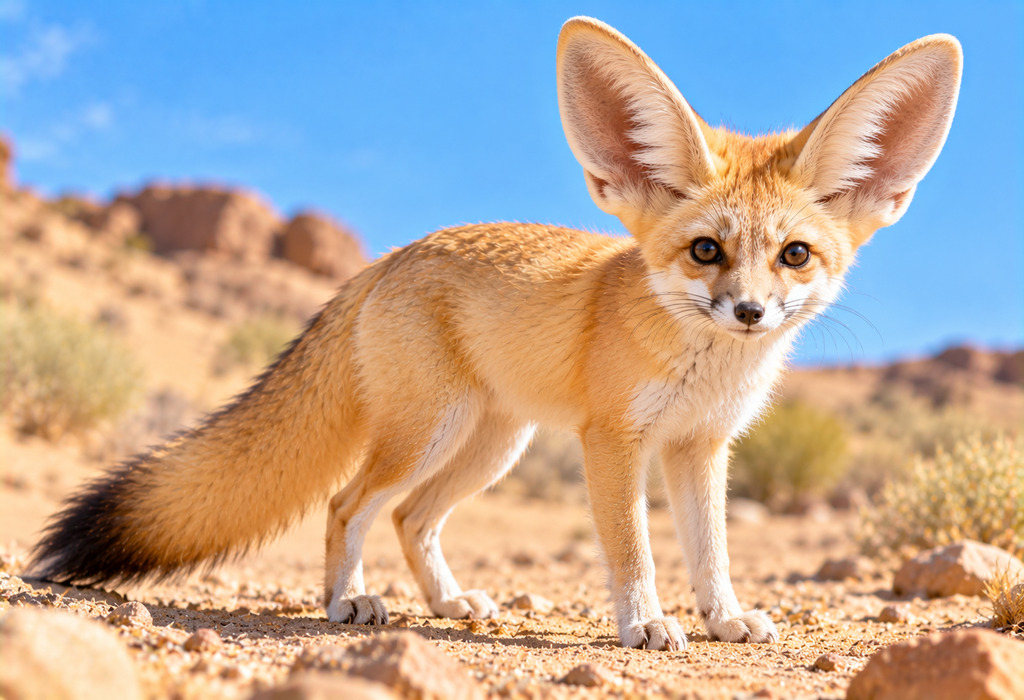
Scientific Name – Vulpes zerda
Type of Animal – Mammal
Where They Live – Sandy deserts of North Africa
Fun Facts
- Big ears help them stay cool.
- They are the smallest fox species.
7. Fantail Goldfish
Fantail goldfish are colorful pet fish with a split tail.
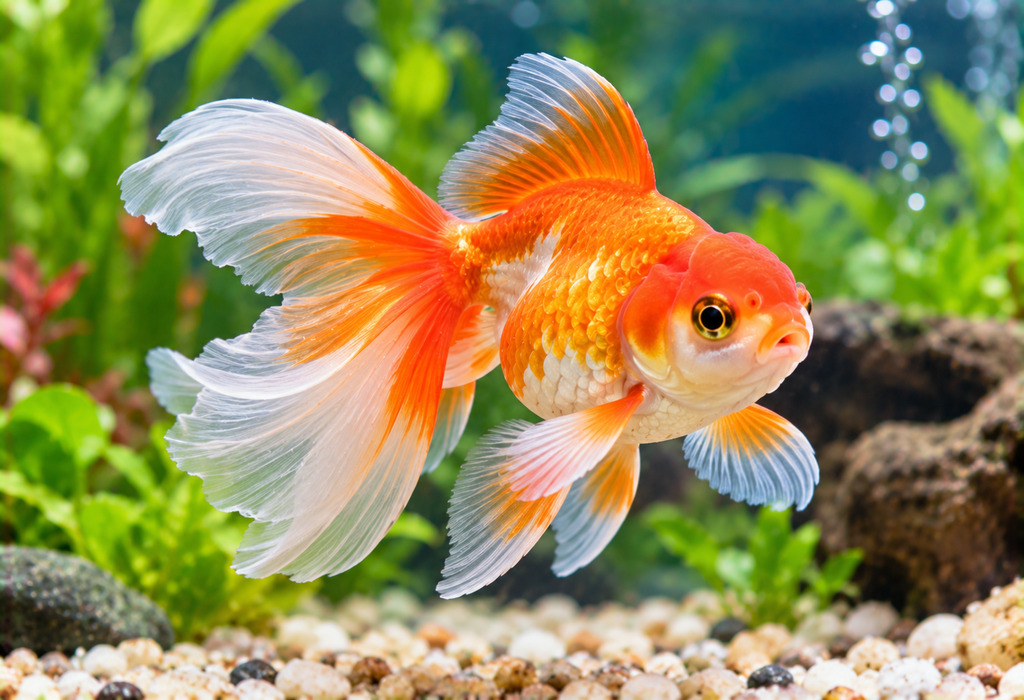
Scientific Name – Carassius auratus
Type of Animal – Fish
Where They Live – Fish tanks and ponds
Fun Facts
- Goldfish can remember things for months.
- Their tail shape helps them swim gracefully.
8. Firefly
Fireflies are small flying insects that glow in the dark.
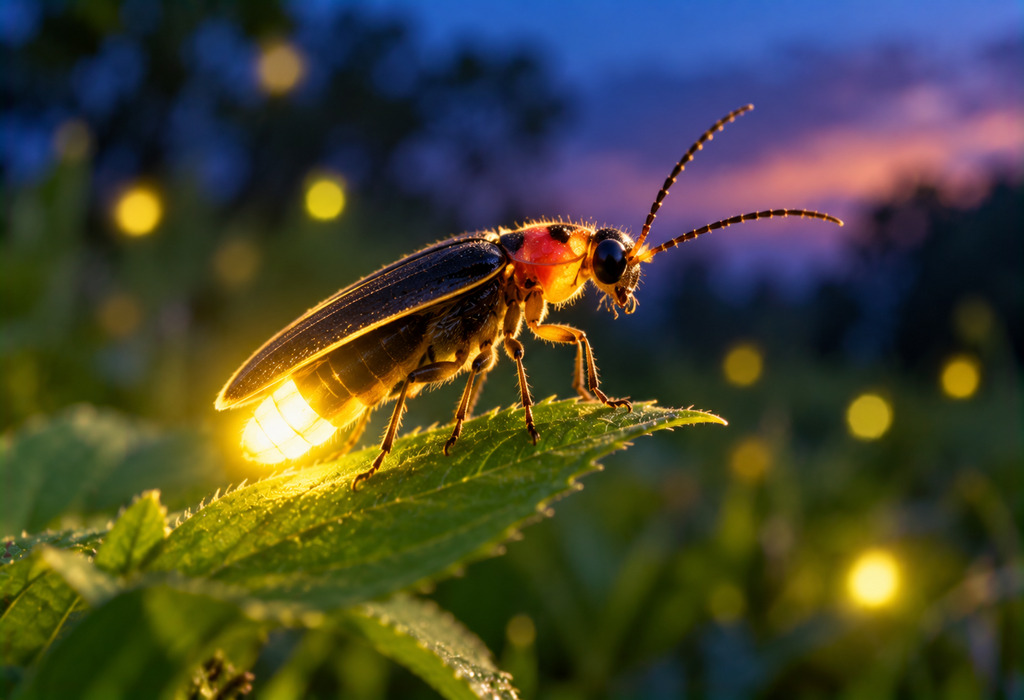
Scientific Name – Lampyridae
Type of Animal – Insect
Where They Live – Warm, damp fields and forests
Fun Facts
- Fireflies flash light to talk to each other.
- Some fireflies flash in matching patterns.
9. Flying Squirrel
Flying squirrels glide between trees using flaps of skin.
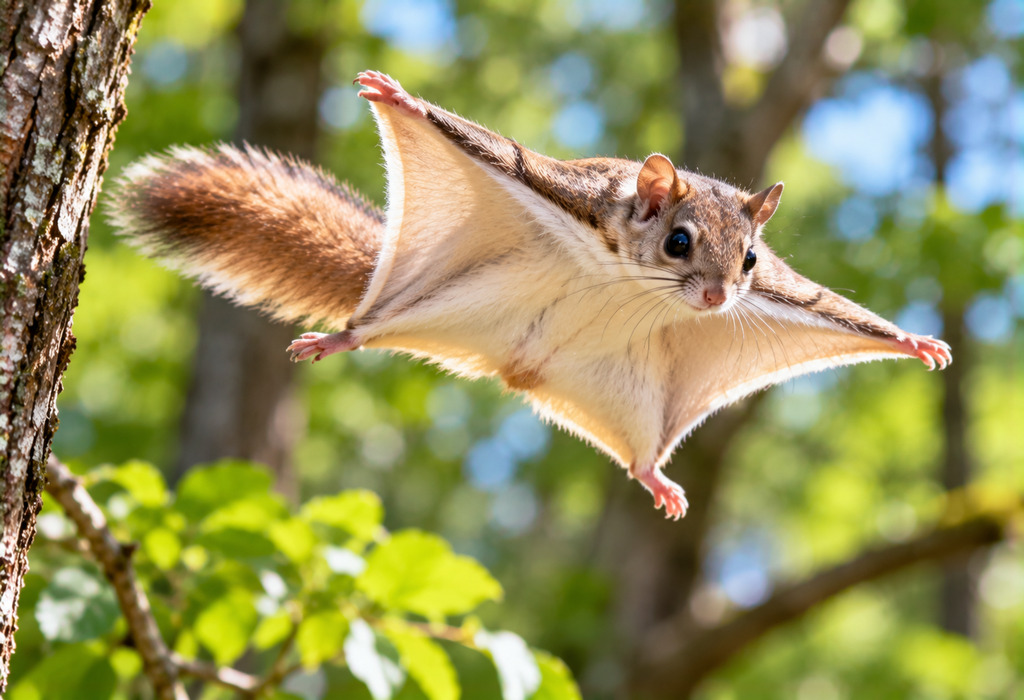
Scientific Name – Glaucomys volans
Type of Animal – Mammal
Where They Live – Forests in North America and Asia
Fun Facts
- They glide instead of truly flying.
- They can glide over 150 feet.
10. Fruit Bat
Fruit bats are large bats that mainly eat fruit and nectar.
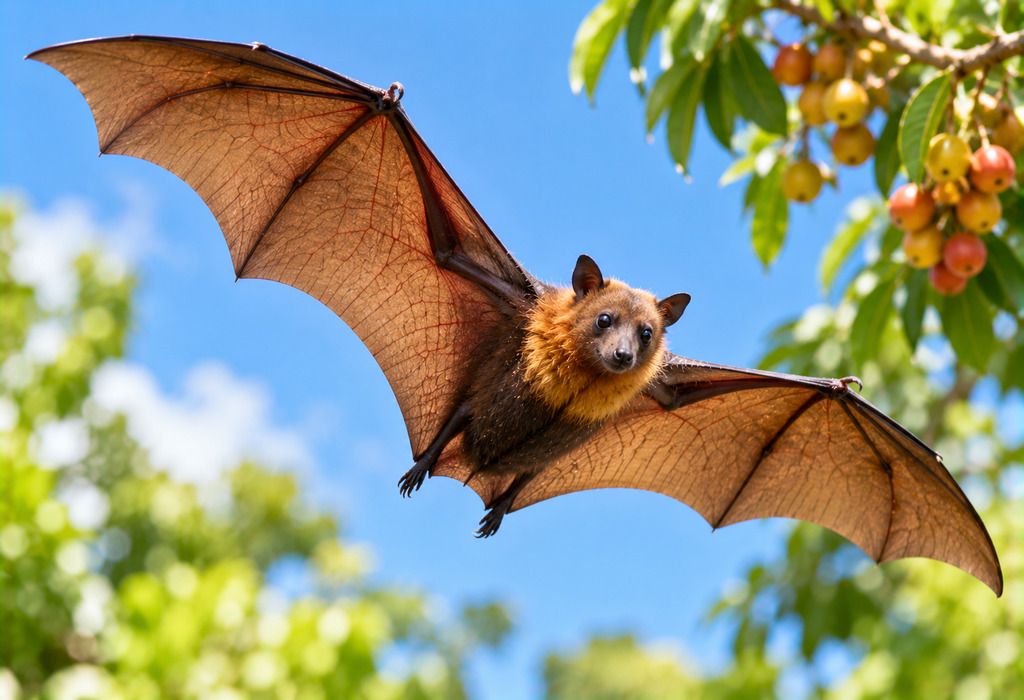
Scientific Name – Pteropus
Type of Animal – Mammal
Where They Live – Tropical forests in Africa, Asia, and Australia
Fun Facts
- They help spread seeds and pollinate flowers.
- They are also called flying foxes.
11. Fiddler Crab
Fiddler crabs are tiny crabs with one giant claw.
Scientific Name – Uca
Type of Animal – Crustacean
Where They Live – Sandy beaches near the ocean
Fun Facts
- Males wave their big claw to attract mates.
- They live in burrows in the sand.
12. Finch
Finches are small songbirds known for their cheerful chirping.
Scientific Name – Fringilla coelebs
Type of Animal – Bird
Where They Live – Gardens, forests, and grasslands worldwide
Fun Facts
- Strong beaks help them crack seeds open.
- Different finches have different beak shapes.
13. Fur Seal
Fur seals are ocean mammals with thick, warm coats.
Scientific Name – Arctocephalus
Type of Animal – Mammal
Where They Live – Rocky coastlines in cold oceans
Fun Facts
- They can rotate their back flippers to walk on land.
- Thick fur keeps them warm in icy water.
14. Field Mouse
Field mice are small rodents that live in grassy areas.
Scientific Name – Apodemus sylvaticus
Type of Animal – Mammal
Where They Live – Fields, farmlands, and woodlands
Fun Facts
- They are mostly active at night.
- They store food underground for winter.
15. Fisher
Fishers are quick, tree-climbing mammals related to weasels.
Scientific Name – Pekania pennanti
Type of Animal – Mammal
Where They Live – Dense forests across North America
Fun Facts
- Fishers are one of few animals that eat porcupines.
- They can climb down trees headfirst.
16. Frigatebird
Frigatebirds are seabirds with a bright red throat pouch.
Scientific Name – Fregata magnificens
Type of Animal – Bird
Where They Live – Tropical oceans and coastlines
Fun Facts
- Males puff up their red pouch to attract mates.
- They can fly for weeks without landing.
17. Fruit Fly
Fruit flies are tiny insects that gather around ripe fruit.
Scientific Name – Drosophila melanogaster
Type of Animal – Insect
Where They Live – Kitchens and gardens near fruit
Fun Facts
- They can lay hundreds of eggs in days.
- Scientists use them to study genetics.
18. Fjord Horse
Fjord horses are strong, friendly horses with a striped mane.
Scientific Name – Equus ferus caballus
Type of Animal – Mammal
Where They Live – Farms and countryside, originally Norway
Fun Facts
- Their mane is often trimmed to stand upright.
- Fjord horses are known for being calm.
19. Fossa
Fossas are cat-like predators that are excellent tree climbers.
Scientific Name – Cryptoprocta ferox
Type of Animal – Mammal
Where They Live – Forests of Madagascar
Fun Facts
- Fossas are Madagascar’s largest predator.
- They can rotate their ankles to climb down headfirst.
20. Fox Squirrel
Fox squirrels are large, bushy-tailed squirrels found across the U.S.
Scientific Name – Sciurus niger
Type of Animal – Mammal
Where They Live – Forests, parks, and neighborhoods
Fun Facts
- They bury nuts to eat later in winter.
- Forgotten buried nuts often grow into new trees.
21. Flounder
Flounders are flat fish that hide along the ocean floor.
Scientific Name – Paralichthys
Type of Animal – Fish
Where They Live – Sandy, muddy ocean floors
Fun Facts
- Both eyes end up on one side of its head.
- They can change color to match the seafloor.
22. Flying Fish
Flying fish can glide above water using wing-like fins.
Scientific Name – Exocoetidae
Type of Animal – Fish
Where They Live – Warm ocean waters worldwide
Fun Facts
- They can glide over 650 feet.
- Gliding helps them escape predators.
23. Frilled Lizard
Frilled lizards open a large neck frill to look scary.
Scientific Name – Chlamydosaurus kingii
Type of Animal – Reptile
Where They Live – Forests of Australia and New Guinea
Fun Facts
- They can run on two back legs.
- Their frill can be as wide as their body.
24. Fruit Dove
Fruit doves are brightly colored birds that eat mostly fruit.
Scientific Name – Ptilinopus
Type of Animal – Bird
Where They Live – Tropical forests in Asia and the Pacific
Fun Facts
- They come in bright colors like green and pink.
- They help spread seeds through the forest.
25. Fire-Bellied Toad
Fire-bellied toads have a bright red belly that warns predators.
Scientific Name – Bombina orientalis
Type of Animal – Amphibian
Where They Live – Ponds and wetlands in Asia
Fun Facts
- They flip over to flash their bright belly.
- Their skin can be mildly poisonous.
26. Fire Ant
Fire ants are small, reddish ants known for their painful sting.
Scientific Name – Solenopsis invicta
Type of Animal – Insect
Where They Live – Warm grasslands and fields
Fun Facts
- They build large dirt mounds as homes.
- They can link together to float during floods.
27. Flying Lemur
Flying lemurs glide through forests using a wide skin membrane.
Scientific Name – Galeopterus variegatus
Type of Animal – Mammal
Where They Live – Rainforests of Southeast Asia
Fun Facts
- They aren’t true lemurs and don’t truly fly.
- They can glide over 200 feet between trees.
28. Forest Elephant
Forest elephants are smaller cousins of the African savanna elephant.
Scientific Name – Loxodonta cyclotis
Type of Animal – Mammal
Where They Live – Rainforests of Central Africa
Fun Facts
- They help plant new trees by spreading seeds.
- They have straighter tusks than savanna elephants.
29. Field Cricket
Field crickets are noisy insects known for their nighttime chirping.
Scientific Name – Gryllus
Type of Animal – Insect
Where They Live – Fields and grassy areas
Fun Facts
- Crickets chirp by rubbing their wings together.
- You can guess temperature by counting chirps.
30. Fantail Pigeon
Fantail pigeons are fancy pigeons with a wide, fan-shaped tail.
Scientific Name – Columba livia
Type of Animal – Bird
Where They Live – Farms, cities, and pigeon lofts
Fun Facts
- Their tail can have up to 40 feathers.
- They often walk with a bobbing strut.
31. Fallow Deer
Fallow deer are gentle deer known for their spotted coats.
Scientific Name – Dama dama
Type of Animal – Mammal
Where They Live – Woodlands and grasslands across Europe
Fun Facts
- Males have wide, flat antlers.
- Coat spots help them hide among trees.
32. Flycatcher
Flycatchers are small birds that catch insects while flying.
Scientific Name – Muscicapidae
Type of Animal – Bird
Where They Live – Forests and gardens worldwide
Fun Facts
- They snatch insects out of midair.
- They often return to the same perch after catching prey.
33. Fulmar
Fulmars are seabirds that glide gracefully over ocean waves.
Scientific Name – Fulmarus glacialis
Type of Animal – Bird
Where They Live – Cold northern oceans and cliffs
Fun Facts
- They can spit smelly oil to defend themselves.
- They can live more than 30 years.
34. Flat-Tailed Gecko
Flat-tailed geckos have wide, leaf-shaped tails for camouflage.
Scientific Name – Uroplatus
Type of Animal – Reptile
Where They Live – Rainforests of Madagascar
Fun Facts
- Their skin pattern blends into tree bark.
- They can drop their tail to escape predators.
35. Freshwater Eel
Freshwater eels are long, snake-like fish that live in rivers.
Scientific Name – Anguilla anguilla
Type of Animal – Fish
Where They Live – Rivers, lakes, and streams
Fun Facts
- Eels travel thousands of miles to breed.
- They can absorb some oxygen through their skin.
36. Funnel-Web Spider
Funnel-web spiders build funnel-shaped webs to trap prey.
Scientific Name – Atrax robustus
Type of Animal – Arachnid
Where They Live – Burrows and gardens in Australia
Fun Facts
- They wait in the web for insects to pass.
- Males wander at night searching for mates.
37. Field Vole
Field voles are small, round rodents that live in grassy meadows.
Scientific Name – Microtus agrestis
Type of Animal – Mammal
Where They Live – Grasslands and meadows across Europe
Fun Facts
- They dig tunnel systems hidden under grass.
- They can have many babies in a single year.
38. Frogfish
Frogfish are strange-looking fish that “walk” along the seafloor.
Scientific Name – Antennariidae
Type of Animal – Fish
Where They Live – Coral reefs and tropical ocean floors
Fun Facts
- They use their fins like little legs to walk.
- They dangle a lure to attract prey.
39. Finless Porpoise
Finless porpoises are small, gray sea mammals without a back fin.
Scientific Name – Neophocaena phocaenoides
Type of Animal – Mammal
Where They Live – Coastal waters and rivers in Asia
Fun Facts
- Unlike most porpoises, they have no dorsal fin.
- They often swim alone or in small groups.
40. Fainting Goat
Fainting goats are farm goats that stiffen up when startled.
Scientific Name – Capra aegagrus hircus
Type of Animal – Mammal
Where They Live – Farms and pastures worldwide
Fun Facts
- Their muscles briefly freeze when surprised.
- They don’t lose consciousness — they just tip over!
From the tiny firefly to the mighty forest elephant, the animal kingdom offers an amazing variety of creatures whose names begin with F. Kids can learn so much by exploring how these animals look, where they live, and what makes each one special. Whether it’s a fennec fox’s giant ears or a flying fish’s incredible glide, every animal on this list has something fun to discover. We hope this guide helps young learners fall in love with the wonderful world of F animals.
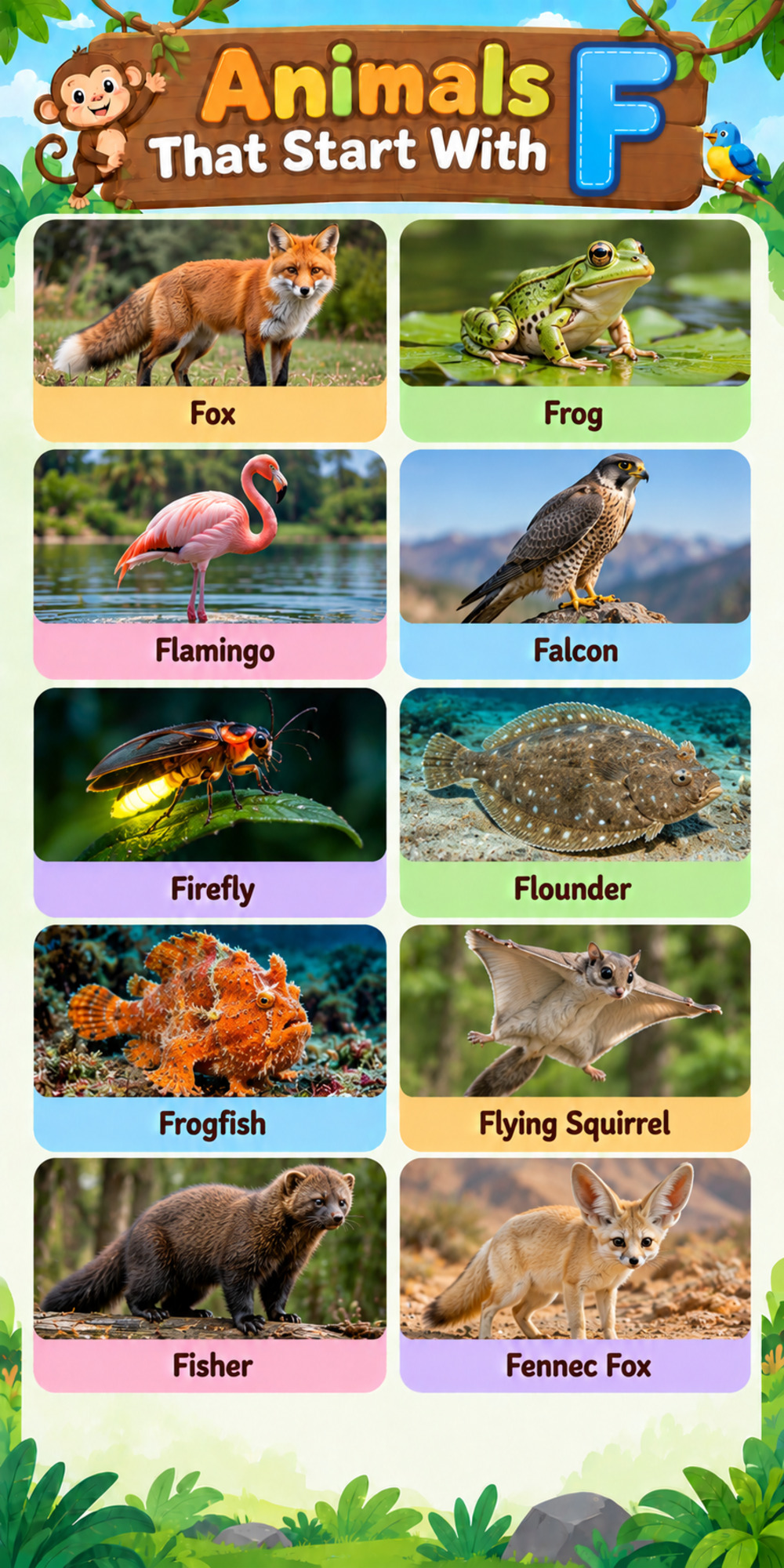
Infographic – Animals Starting With Letter F
Also Read: Animals That Begin With Letter A to Z