

Kids love learning new words, and animal names are always fun to explore together. If your child is curious about which animal begin with W, this list of creatures is a great place to start learning. These animals starting with letter W come from oceans, forests, mountains, and grasslands worldwide, each one bringing simple facts young learners will enjoy discovering. From tiny insects to giant whales, this list has something for every curious mind. Get ready to meet walruses, wolves, whales, and more wonderful W animals!
Animals Names Beginning With W
Here is a fun list of animals that start with W, with simple facts for children to enjoy.
1. Walrus
Walruses are large sea mammals with tusks.
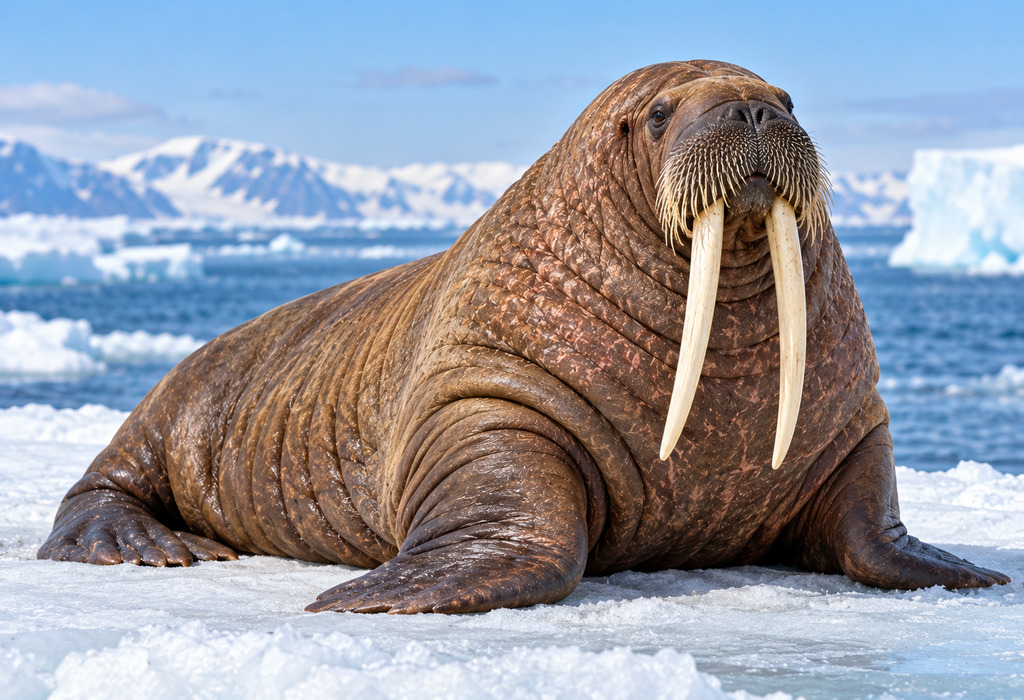
Scientific Name – Odobenus rosmarus
Type of Animal – Mammal
Where They Live – Arctic Ocean
Fun Facts
- Tusks help them climb ice.
- They can hold their breath for a long time.
2. Wolf
Wolves are wild dogs that hunt in packs.
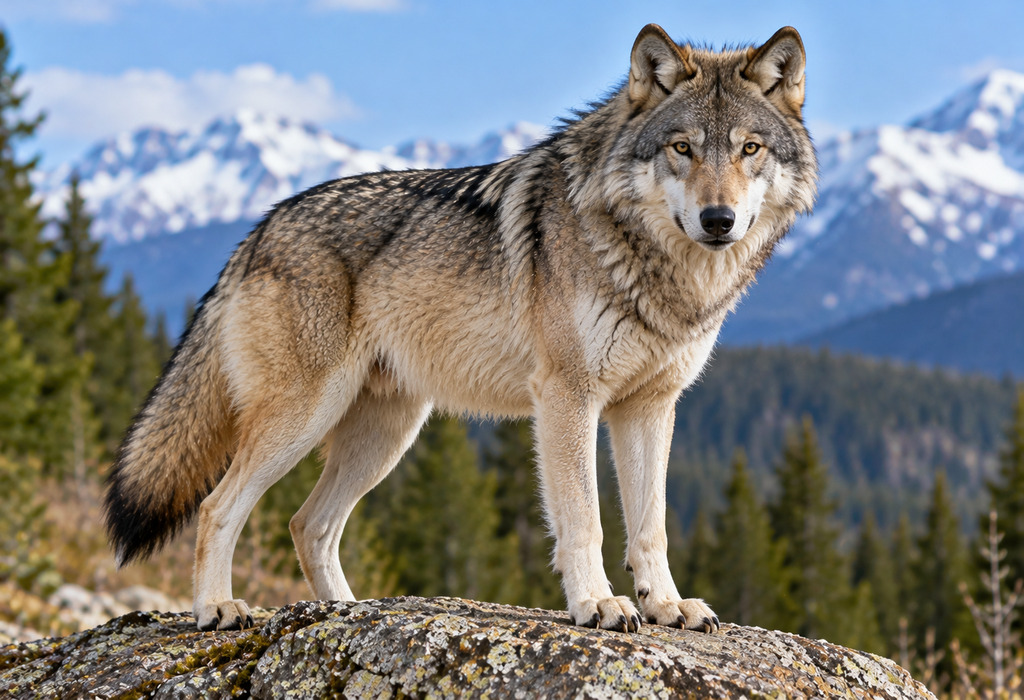
Scientific Name – Canis lupus
Type of Animal – Mammal
Where They Live – Forests and mountains
Fun Facts
- Wolves howl to communicate with their pack.
- Packs have a social hierarchy led by dominant individuals.
3. Wombat
Wombats are burrowing marsupials from Australia.
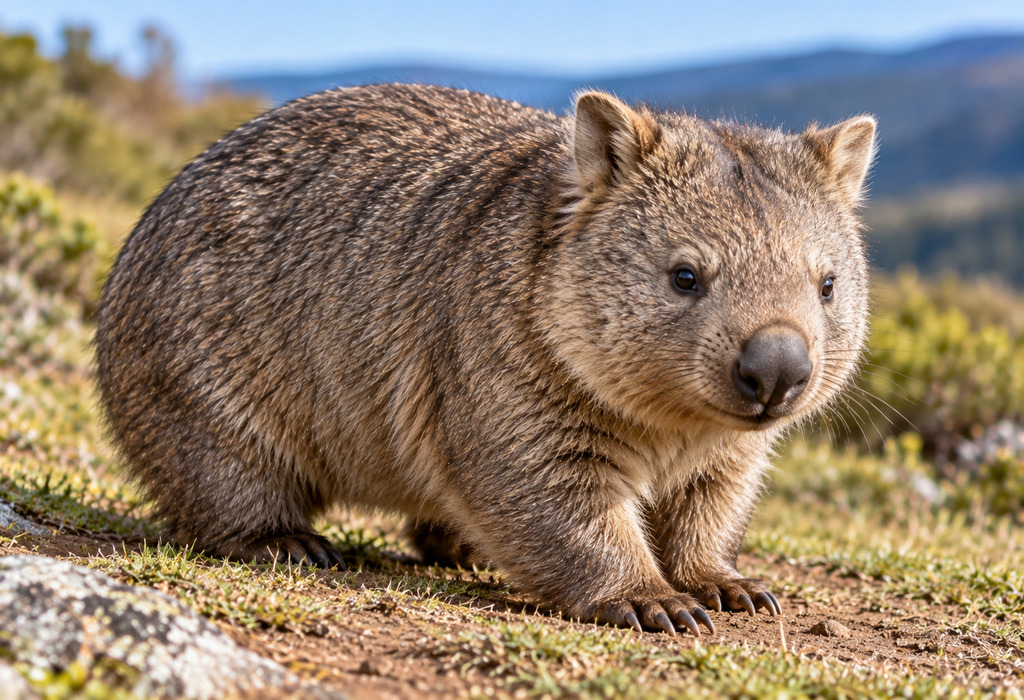
Scientific Name – Vombatus ursinus
Type of Animal – Mammal
Where They Live – Australian forests
Fun Facts
- They dig tunnels with their strong claws.
- Their poop is shaped like a cube.
4. Whale
Whales are huge mammals that breathe air.
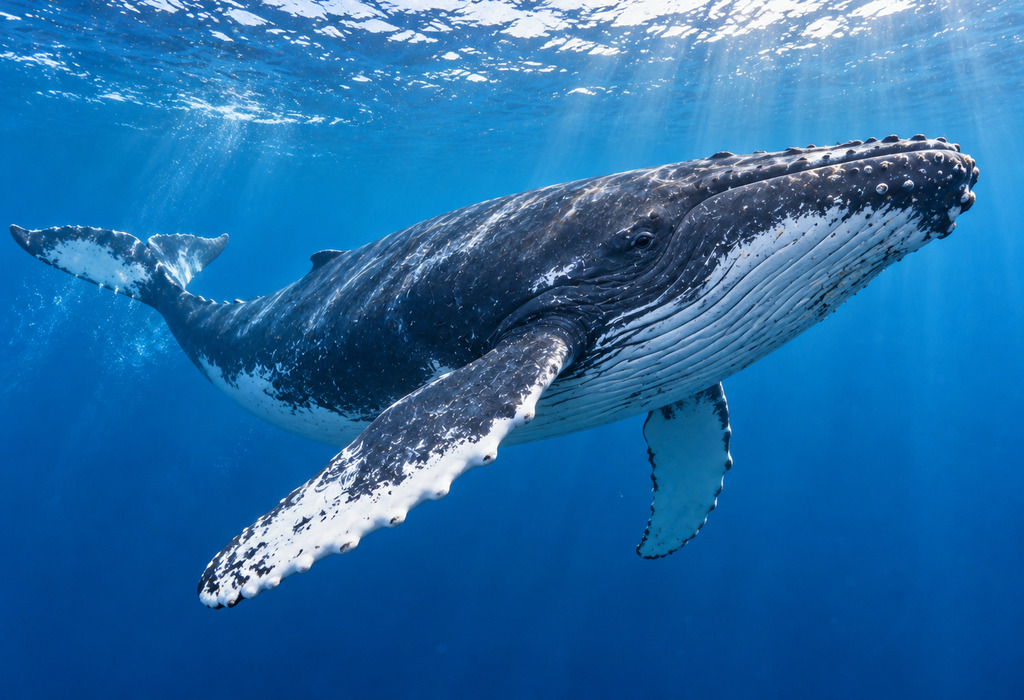
Scientific Name – Balaenoptera musculus
Type of Animal – Mammal
Where They Live – Oceans worldwide
Fun Facts
- Blue whales are the largest animals on Earth.
- Some whales produce songs that can travel long distances.
5. Woodpecker
Woodpeckers peck tree trunks with their strong beaks.
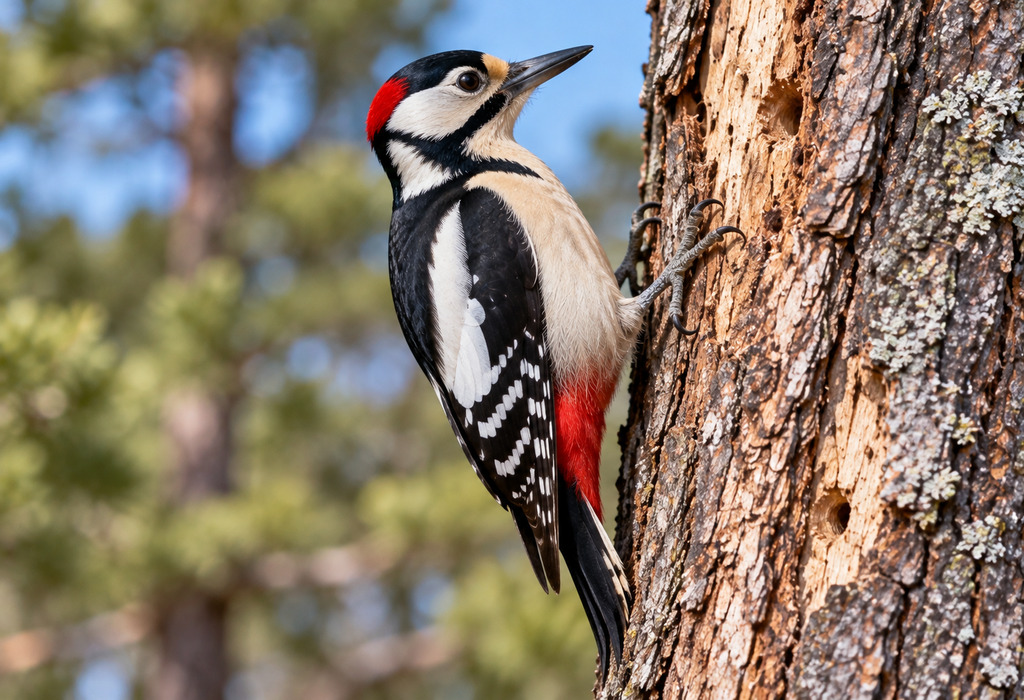
Scientific Name – Picidae
Type of Animal – Bird
Where They Live – Forests worldwide
Fun Facts
- They peck trees to find insects.
- Their strong skulls help protect their brains.
6. Weasel
Weasels are small, quick hunters.
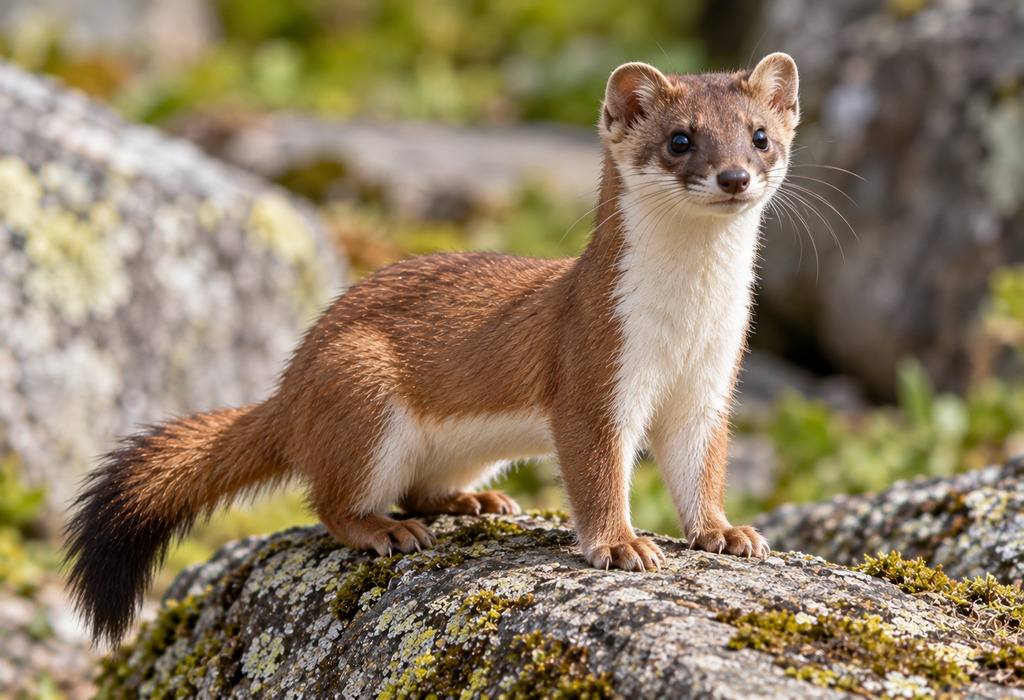
Scientific Name – Mustela nivalis
Type of Animal – Mammal
Where They Live – Farmlands and fields
Fun Facts
- They can squeeze through tiny gaps.
- Some weasels turn white in winter.
7. Warthog
Warthogs are wild pigs with tusks.
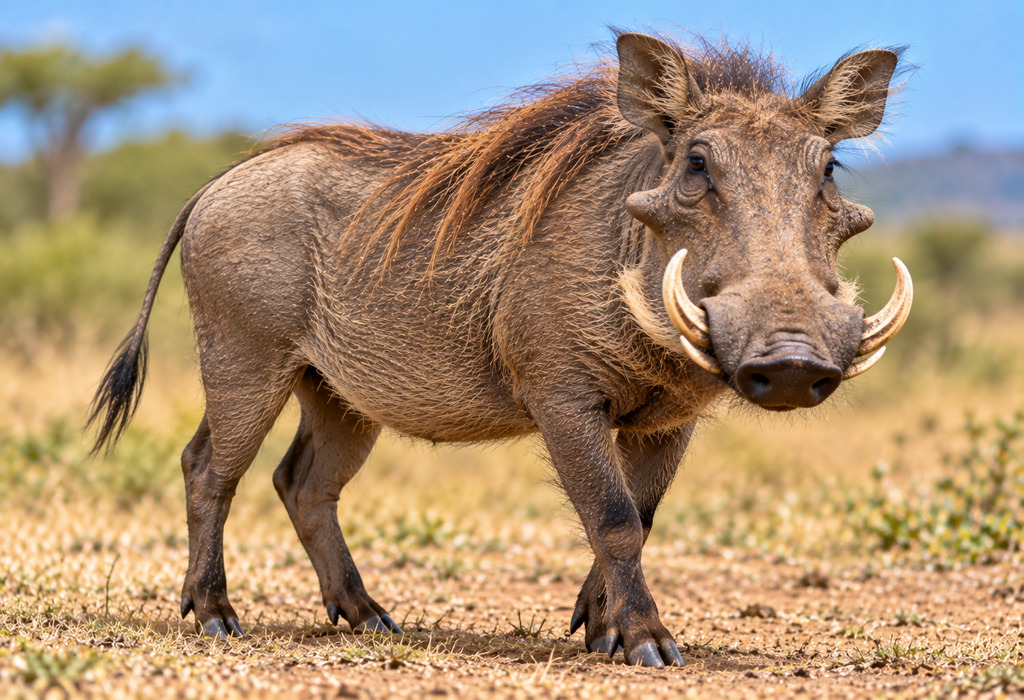
Scientific Name – Phacochoerus africanus
Type of Animal – Mammal
Where They Live – African savannas
Fun Facts
- They often kneel while feeding.
- Warthogs can run quickly to escape predators.
8. Wildebeest
Wildebeests are antelopes known for their migrations.
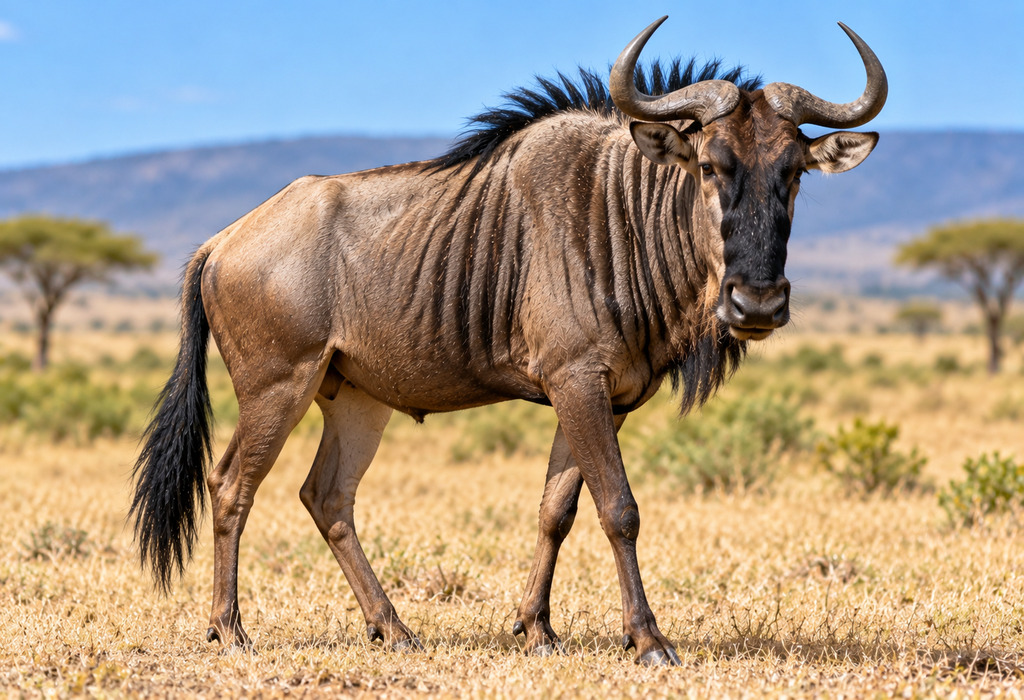
Scientific Name – Connochaetes taurinus
Type of Animal – Mammal
Where They Live – African plains
Fun Facts
- Millions migrate together in search of grass.
- Calves can run soon after birth.
9. Wasp
Wasps are flying insects with stingers.
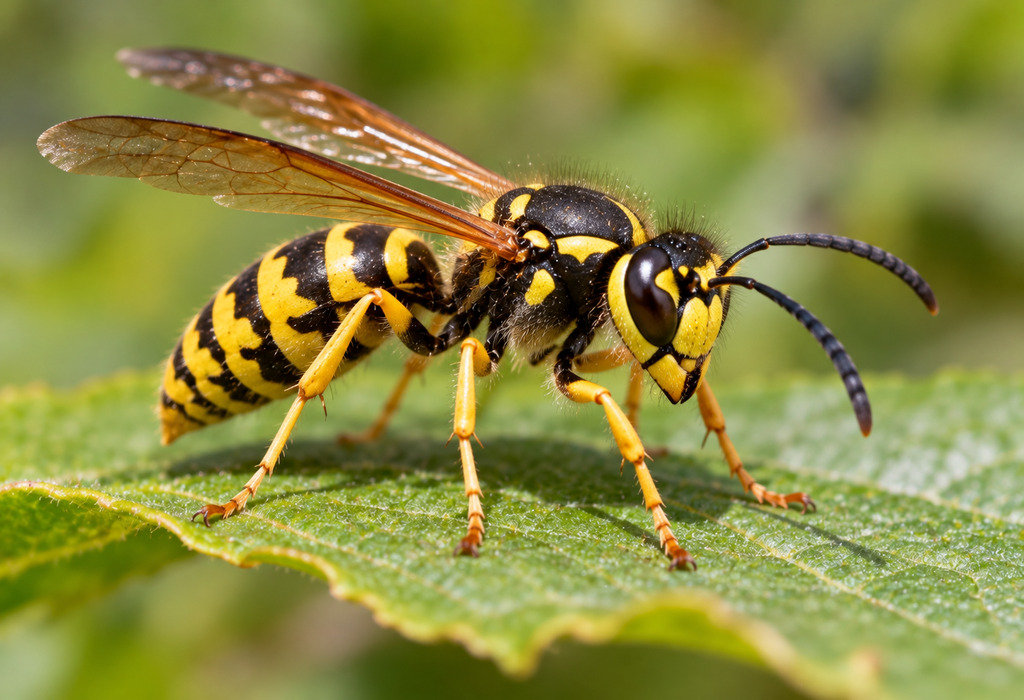
Scientific Name – Vespula vulgaris
Type of Animal – Insect
Where They Live – Gardens worldwide
Fun Facts
- Some wasps build nests from chewed wood.
- Wasps help control garden pests.
10. Worm
Worms are long, soft-bodied creatures that live in soil.
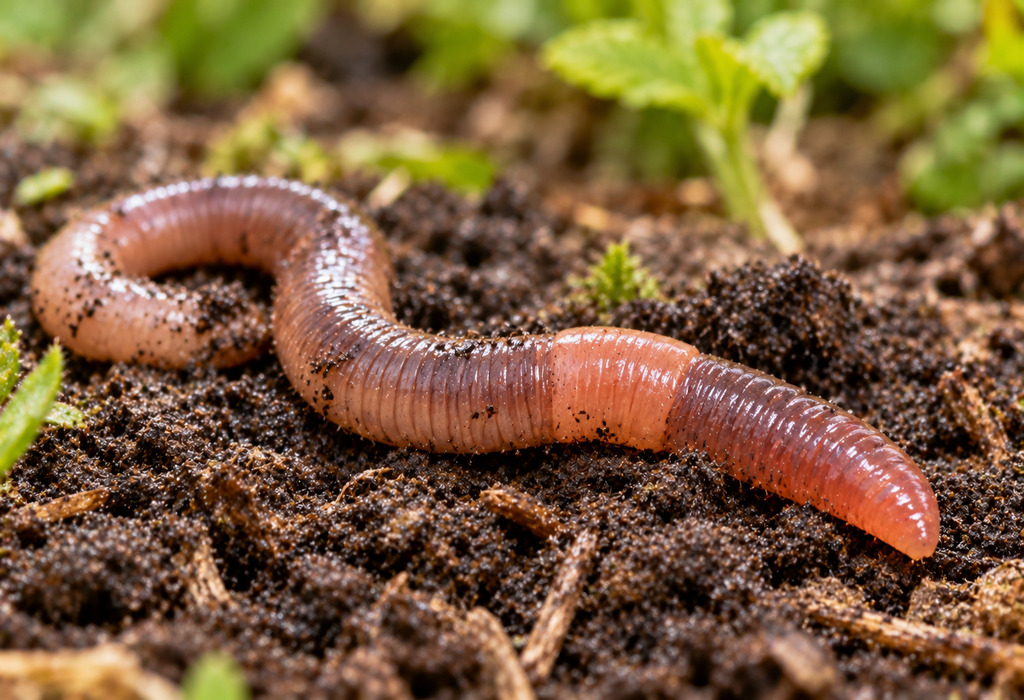
Scientific Name – Lumbricus terrestris
Type of Animal – Invertebrate
Where They Live – Moist soil
Fun Facts
- Worms loosen soil and help plant roots grow.
- Some worms can regenerate certain body parts.
11. Wallaby
Wallabies are small marsupials related to kangaroos.
Scientific Name – Macropus
Type of Animal – Mammal
Where They Live – Australia
Fun Facts
- Baby wallabies, called joeys, ride in a pouch.
- Their strong legs help them hop long distances.
12. Wolverine
Wolverines are tough, weasel-like mammals.
Scientific Name – Gulo gulo
Type of Animal – Mammal
Where They Live – Cold northern forests
Fun Facts
- Wolverines are surprisingly strong for their size.
- They can travel long distances while searching for food.
13. Woodchuck
Woodchucks are rodents that dig burrows.
Scientific Name – Marmota monax
Type of Animal – Mammal
Where They Live – American fields
Fun Facts
- They hibernate during winter.
- Groundhog Day is associated with this animal.
14. Wren
Wrens are tiny songbirds with loud songs.
Scientific Name – Troglodytidae
Type of Animal – Bird
Where They Live – Gardens and forests
Fun Facts
- Their songs sound surprisingly loud for their small size.
- Wrens often build nests in hidden spots.
15. Whooping Crane
Whooping cranes are tall birds with loud calls.
Scientific Name – Grus americana
Type of Animal – Bird
Where They Live – American wetlands
Fun Facts
- They are among the rarest cranes in the world.
- Cranes perform dancing displays during courtship.
16. White Tiger
White tigers have white fur with dark stripes.
Scientific Name – Panthera tigris
Type of Animal – Mammal
Where They Live – Zoos and some parts of India
Fun Facts
- A rare genetic variation causes their white coloring.
- White tigers are strong swimmers.
17. White Rhino
White rhinos have two horns on their snouts.
Scientific Name – Ceratotherium simum
Type of Animal – Mammal
Where They Live – African grasslands
Fun Facts
- White rhinos are actually gray, not white.
- They are among the largest land animals.
18. Weaver Bird
Weaver birds build intricate hanging nests.
Scientific Name – Ploceidae
Type of Animal – Bird
Where They Live – Africa and Asia
Fun Facts
- Their nests are woven from grass and twigs.
- Male weaver birds often build nests to attract mates.
19. Water Buffalo
Water buffalo are strong animals often used by farmers.
Scientific Name – Bubalus bubalis
Type of Animal – Mammal
Where They Live – Asian rivers and wetlands
Fun Facts
- They enjoy wallowing in mud to stay cool.
- Water buffalo can pull heavy loads.
20. Waxwing
Waxwings are sleek birds with colorful wing markings.
Scientific Name – Bombycilla
Type of Animal – Bird
Where They Live – Northern forests
Fun Facts
- Waxwings mostly eat berries and fruit.
- Red, waxy wing tips give them their name.
21. Water Vole
Water voles are furry rodents that live near rivers.
Scientific Name – Arvicola amphibius
Type of Animal – Mammal
Where They Live – European riverbanks
Fun Facts
- Water voles are good swimmers.
- Their burrows can have entrances near or below water.
22. Whippet
Whippets are slim and fast racing dogs.
Scientific Name – Canis lupus familiaris
Type of Animal – Mammal
Where They Live – As pets
Fun Facts
- Whippets can run at very high speeds.
- They enjoy relaxing after a run.
23. Whip-poor-will
The whip-poor-will is a nocturnal bird known for its distinctive call.
Scientific Name – Antrostomus vociferus
Type of Animal – Bird
Where They Live – American forests
Fun Facts
- Its call sounds like the words “whip-poor-will.”
- It hunts at night and rests during the day.
24. Wildcat
Wildcats look similar to large house cats in the wild.
Scientific Name – Felis silvestris
Type of Animal – Mammal
Where They Live – Europe, Africa, and Asia
Fun Facts
- Wildcats are closely related to domestic cats.
- They usually hunt alone around dusk.
25. Wood Duck
Wood ducks are colorful ducks that nest in tree holes.
Scientific Name – Aix sponsa
Type of Animal – Bird
Where They Live – American ponds and wetlands
Fun Facts
- Ducklings leave the nest soon after hatching.
- Male wood ducks have colorful feathers.
26. Woodlouse
Woodlice are small crustaceans often found under rocks.
Scientific Name – Oniscidea
Type of Animal – Invertebrate
Where They Live – Garden soil
Fun Facts
- Some woodlice roll into a ball for protection.
- They breathe using specialized structures similar to gills.
27. Water Boatman
Water boatmen are aquatic insects that swim in ponds.
Scientific Name – Corixidae
Type of Animal – Insect
Where They Live – Ponds
Fun Facts
- Their long hind legs help them paddle through water.
- They can carry an air bubble underwater.
28. Whale Shark
Whale sharks are the largest fish in the ocean.
Scientific Name – Rhincodon typus
Type of Animal – Fish
Where They Live – Warm oceans worldwide
Fun Facts
- They mainly feed on plankton.
- Each whale shark has a unique pattern of spots.
29. White-tailed Deer
White-tailed deer are named for their distinctive white tails.
Scientific Name – Odocoileus virginianus
Type of Animal – Mammal
Where They Live – American forests
Fun Facts
- Their tails rise when they sense danger.
- Male deer grow and shed their antlers every year.
30. Widowbird
Male widowbirds are known for their long breeding-season tails.
Scientific Name – Euplectes
Type of Animal – Bird
Where They Live – African grasslands
Fun Facts
- Males grow long tails during breeding season.
- Their tails can become longer than their bodies.
31. Wild Boar
Wild boars are hairy pigs with tusks.
Scientific Name – Sus scrofa
Type of Animal – Mammal
Where They Live – Europe and Asia
Fun Facts
- Wild boars are strong swimmers.
- They use their snouts to dig for roots and food.
32. Wood Turtle
Wood turtles have rough, sculpted shells.
Scientific Name – Glyptemys insculpta
Type of Animal – Reptile
Where They Live – American streams
Fun Facts
- Wood turtles are known for their intelligence.
- They can stomp the ground to attract earthworms.
33. Woolly Mammoth
Woolly mammoths were giant, furry relatives of elephants.
Scientific Name – Mammuthus primigenius
Type of Animal – Extinct mammal
Where They Live – Once in icy northern regions
Fun Facts
- Thick fur helped them survive freezing temperatures.
- Frozen woolly mammoth remains have been found in ice and permafrost.
34. Wandering Albatross
The wandering albatross is a seabird with an enormous wingspan.
Scientific Name – Diomedea exulans
Type of Animal – Bird
Where They Live – Southern oceans
Fun Facts
- Its wingspan can reach about three meters.
- It can glide for hours without flapping its wings.
35. Western Gorilla
Western gorillas are intelligent, family-focused apes.
Scientific Name – Gorilla gorilla
Type of Animal – Mammal
Where They Live – Central Africa
Fun Facts
- Gorillas share much of their DNA with humans.
- Groups are typically led by a dominant adult male.
36. White Stork
White storks are tall birds with long legs and beaks.
Scientific Name – Ciconia ciconia
Type of Animal – Bird
Where They Live – Wetlands and open areas
Fun Facts
- White storks often build nests on rooftops and tall structures.
- Folklore has long connected storks with babies.
37. Water Dragon
Water dragons are reptiles that live near water.
Scientific Name – Intellagama lesueurii
Type of Animal – Reptile
Where They Live – Australian rivers and waterways
Fun Facts
- They can hide underwater to escape danger.
- Their long, flat tails help them swim.
38. Weaver Ant
Weaver ants build nests by joining leaves together.
Scientific Name – Oecophylla smaragdina
Type of Animal – Insect
Where They Live – Tropical trees
Fun Facts
- They use silk to bind leaves together.
- Many ants work together to build their nests.
39. Wood Mouse
Wood mice are small rodents with large eyes and long tails.
Scientific Name – Apodemus sylvaticus
Type of Animal – Mammal
Where They Live – European forests
Fun Facts
- Wood mice are excellent jumpers.
- They collect and store food for winter.
40. Wallcreeper
Wallcreepers are birds that climb steep mountain cliffs.
Scientific Name – Tichodroma muraria
Type of Animal – Bird
Where They Live – Europe and Asia
Fun Facts
- Their red wings flash as they climb.
- Their pointed beaks help them find insects among rocks.
From the icy home of the walrus to the sunny forests of the gorilla, this list shows how many wonderful animal name start with alphabet w options exist in nature. Children can learn about each creature’s habitat and fun facts along the way. Whether a tiny wood mouse or a giant whale shark, every animal adds something special to wildlife. We hope this list inspires young readers to keep exploring the animal kingdom.
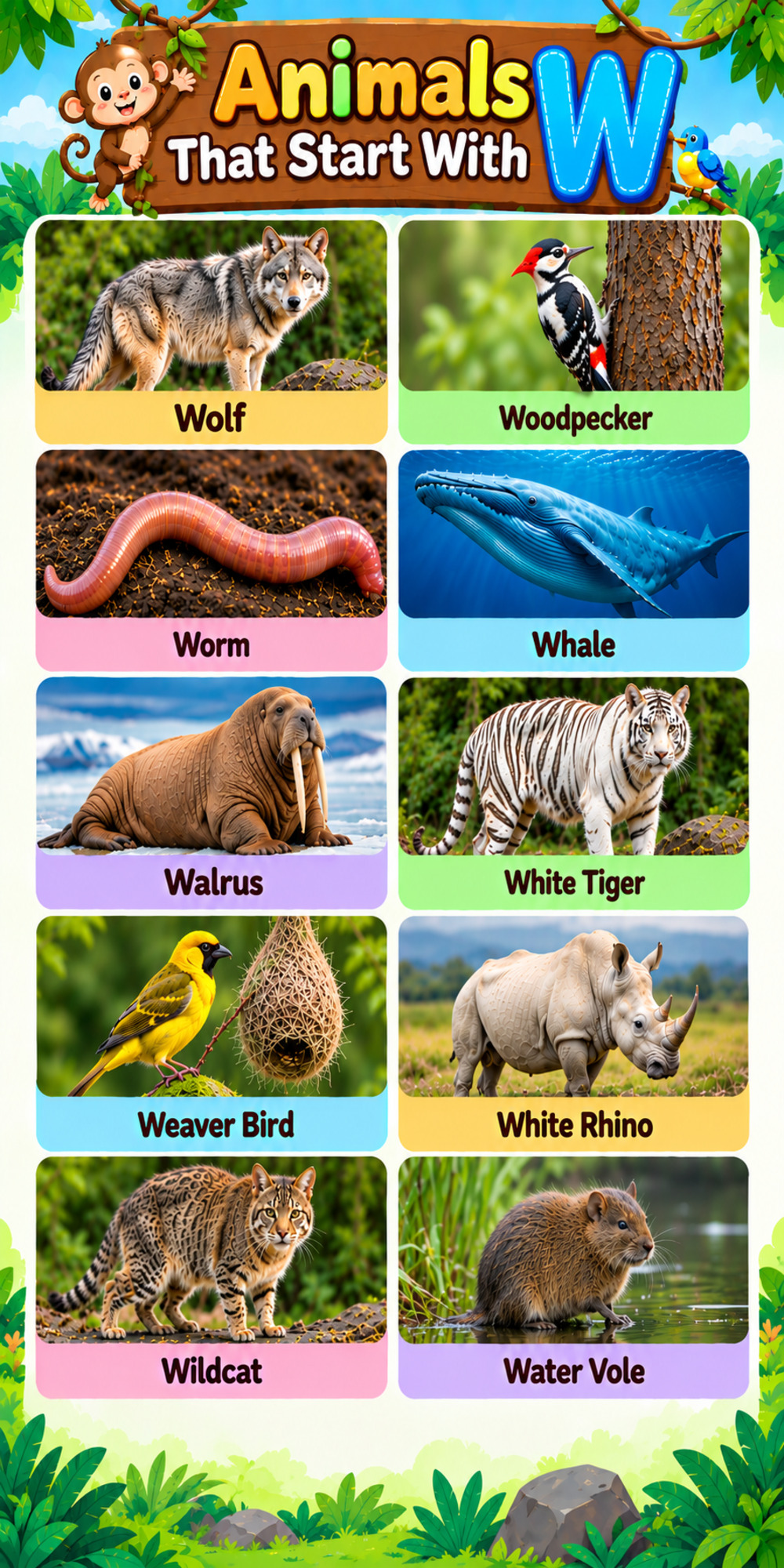
Infographic – Animals Starting With Letter W
Also Read: Animals That Begin With Letter A to Z