

If you have ever tried to think of an animal begin with X, you probably struggled and that is completely normal! The letter X is one of the rarest starting letters in the animal kingdom, so finding fun, kid-friendly examples takes a little digging. The good news is that once you know where to look, from squirrels to swordfish, tiny frogs to prehistoric dinosaurs, there are more X animals than most people expect. This article rounds up 40 of the most interesting ones for curious young learners to explore and enjoy.
Animals Names Beginning With X
Even though the letter X is uncommon, nature still found a way to fill it with wonderful creatures. Below are animals starting with letter X that children will love learning about, complete with scientific names, habitats, and fun facts.
1. Xerus
The Xerus is a sun-loving ground squirrel that spends its day foraging in the open under the African sun.
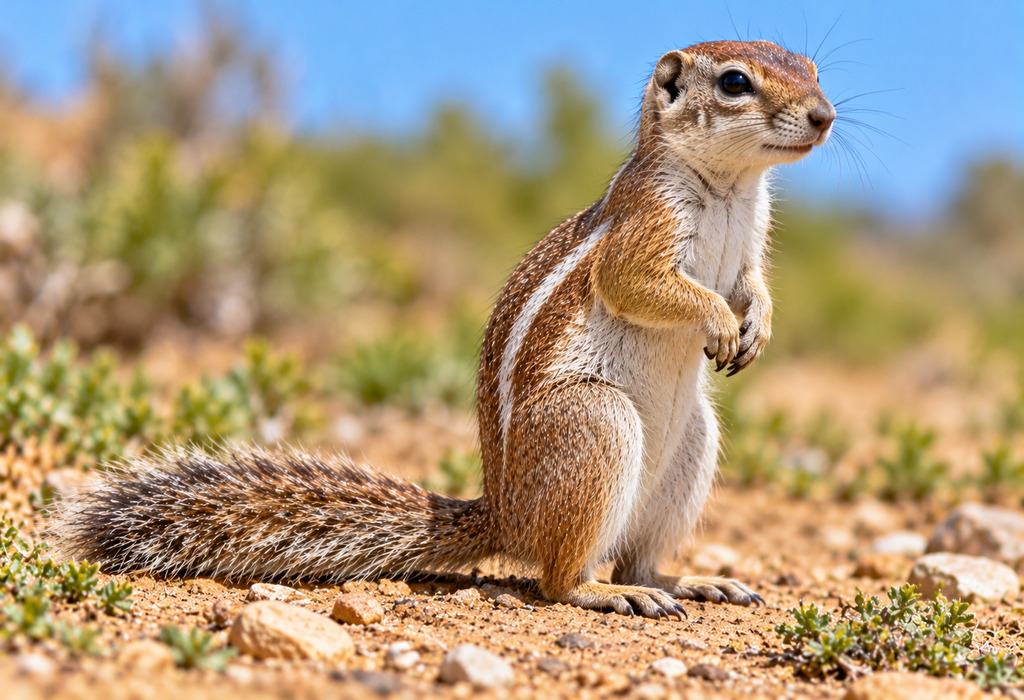
Scientific Name – Xerus
Type of Animal – Mammal (rodent)
Where They Live – Savannas and deserts of Africa
Fun Facts
- It often stands on its hind legs to watch for predators.
- Its bushy tail can be used as a sunshade.
2. Xenops
The Xenops is a small, active bird that climbs tree trunks searching for insects hidden in the bark.
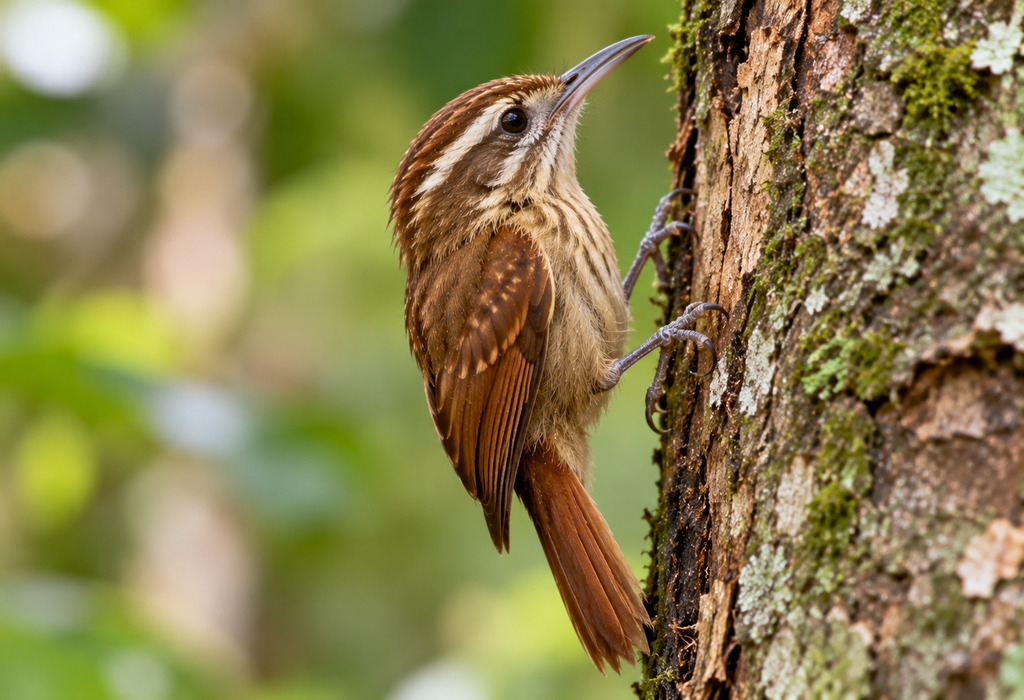
Scientific Name – Xenops (genus)
Type of Animal – Bird
Where They Live – Forests of Central and South America
Fun Facts
- It has an upturned bill that helps it dig into bark.
- It often joins mixed flocks with other small birds.
3. Xenopus
The Xenopus, or African Clawed Frog, is a fully aquatic frog known for its smooth skin and clawed toes.
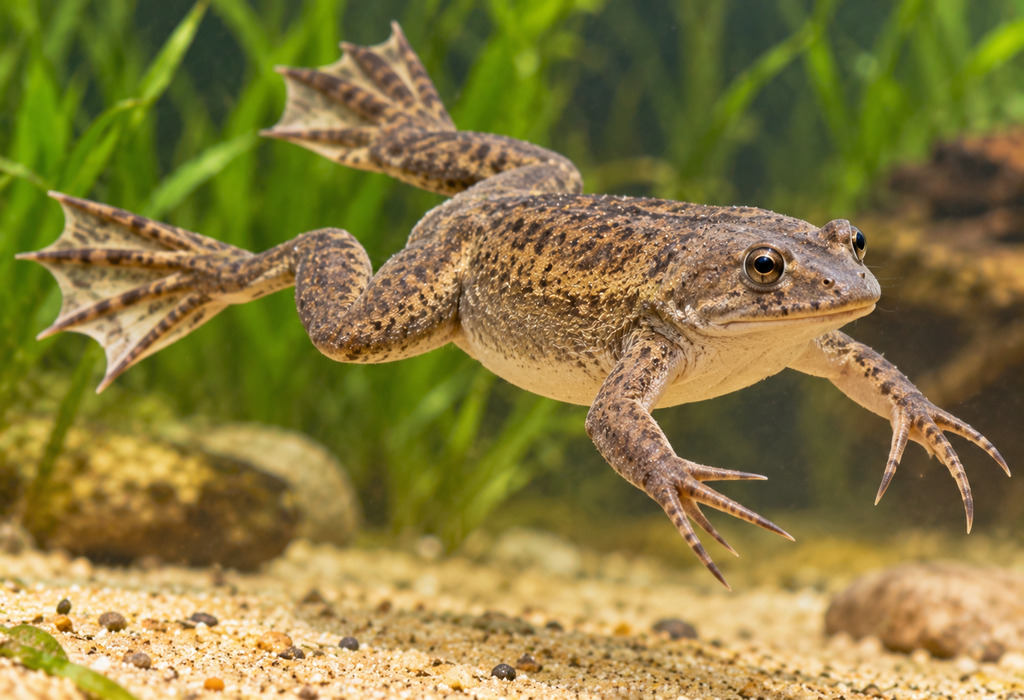
Scientific Name – Xenopus laevis
Type of Animal – Amphibian
Where They Live – Ponds and rivers of sub-Saharan Africa
Fun Facts
- It has no tongue, so it pushes food into its mouth with its front feet.
- Scientists use it often to study how animals grow.
4. X-Ray Tetra
The X-Ray Tetra is a tiny, see-through fish that is popular in home aquariums around the world.
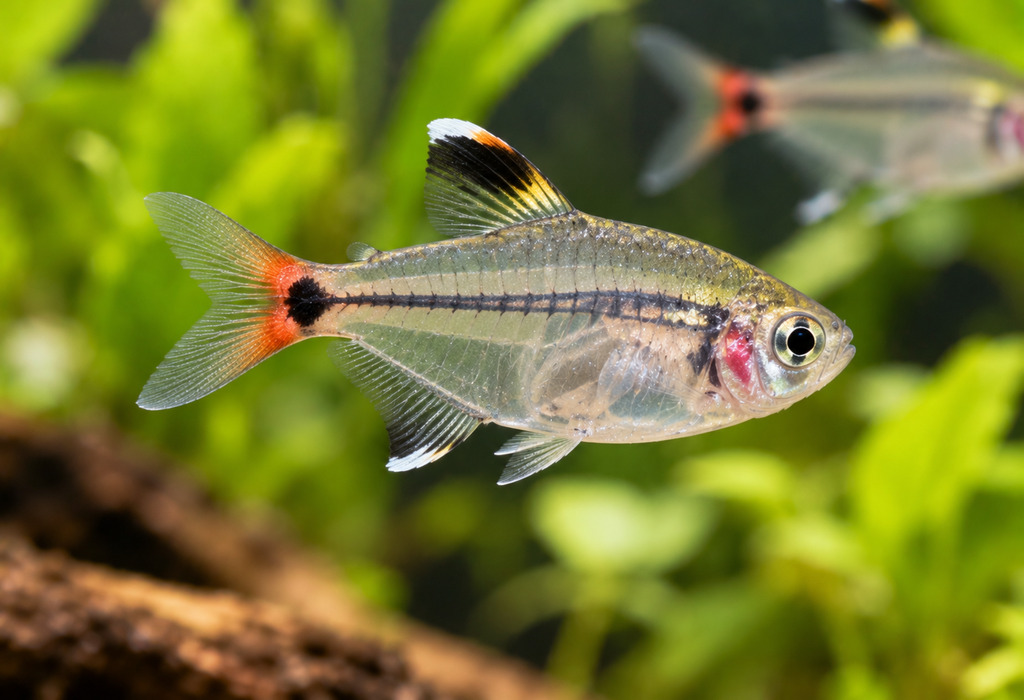
Scientific Name – Pristella maxillaris
Type of Animal – Fish
Where They Live – Rivers of South America
Fun Facts
- Its body is so transparent you can see its skeleton.
- It grows to only about two inches long.
5. Xantus’s Hummingbird
Xantus’s Hummingbird is a tiny, fast-flying bird known for its bold black-and-white face pattern.
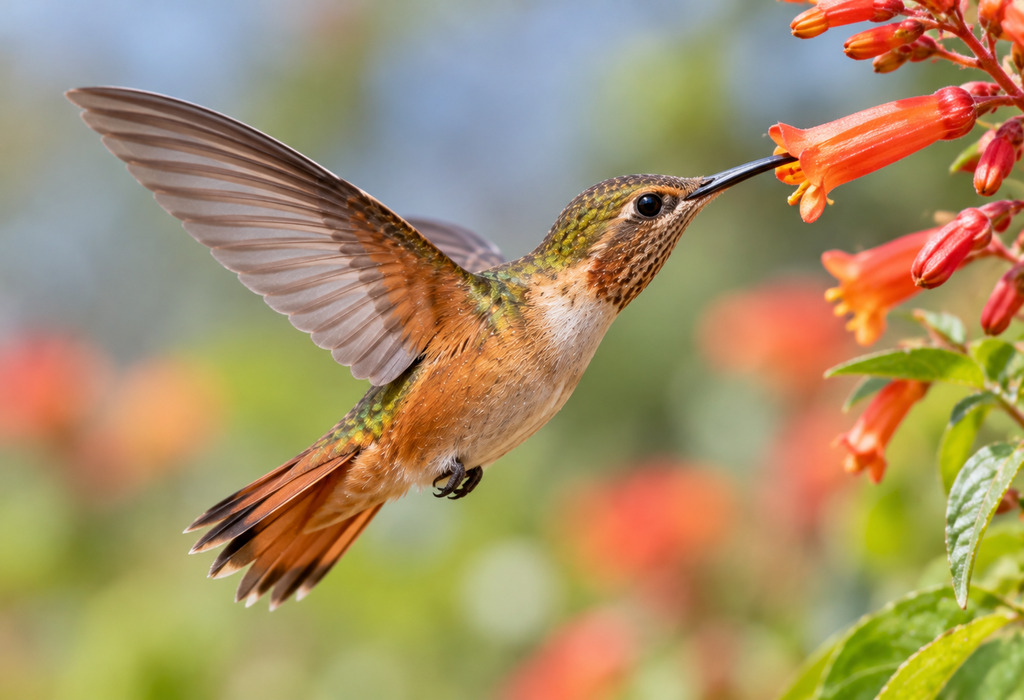
Scientific Name – Basilinna xantusii
Type of Animal – Bird
Where They Live – Baja California, Mexico
Fun Facts
- It can hover in place while sipping nectar from flowers.
- Males and females look quite different from each other.
6. Xantus’s Murrelet
Xantus’s Murrelet is a small seabird that spends most of its life far out on the open ocean.
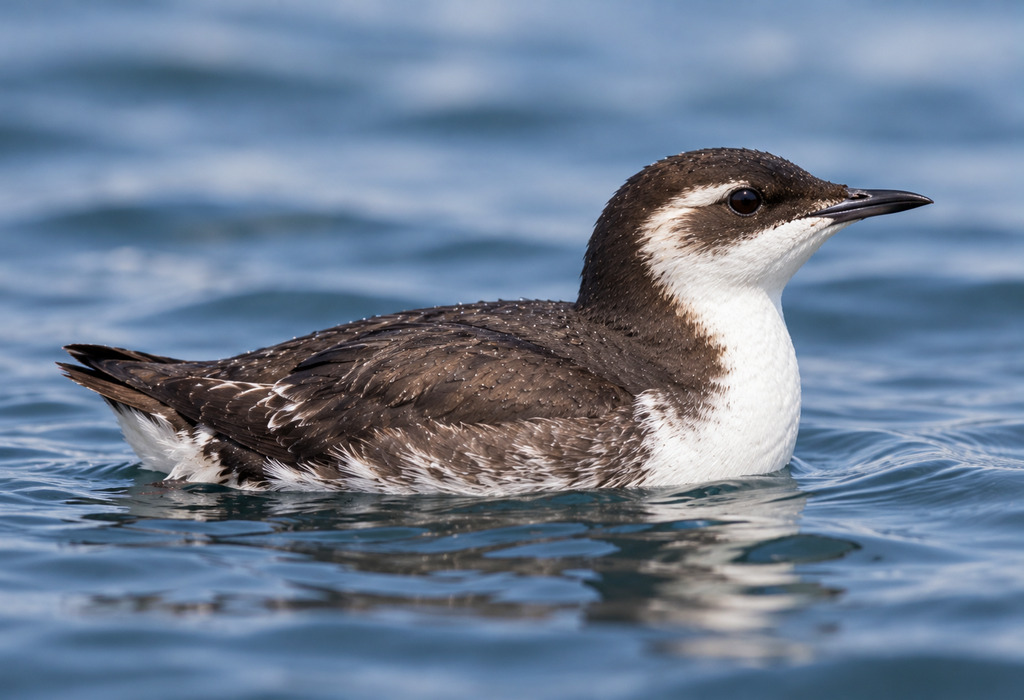
Scientific Name – Synthliboramphus hypoleucus
Type of Animal – Bird
Where They Live – Pacific Ocean, off California and Mexico
Fun Facts
- Chicks can swim within a day or two of hatching.
- It nests on rocky, hard-to-reach island cliffs.
7. Xoloitzcuintli
The Xoloitzcuintli, often called the Xolo, is an ancient dog breed known for its hairless body.
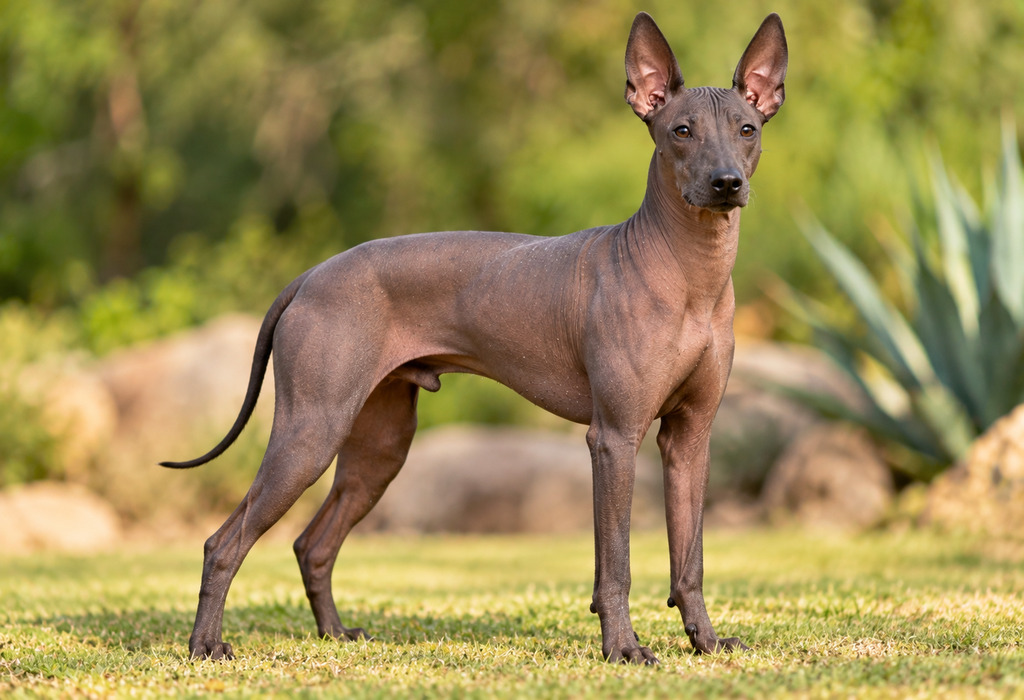
Scientific Name – Canis lupus familiaris
Type of Animal – Mammal (domestic dog)
Where They Live – Mexico (originally, now worldwide as pets)
Fun Facts
- It is one of the oldest dog breeds in the world.
- Its warm skin was once believed to soothe aches.
8. Xeme
The Xeme, also called Sabine’s Gull, is a graceful seabird with a distinctive forked tail.
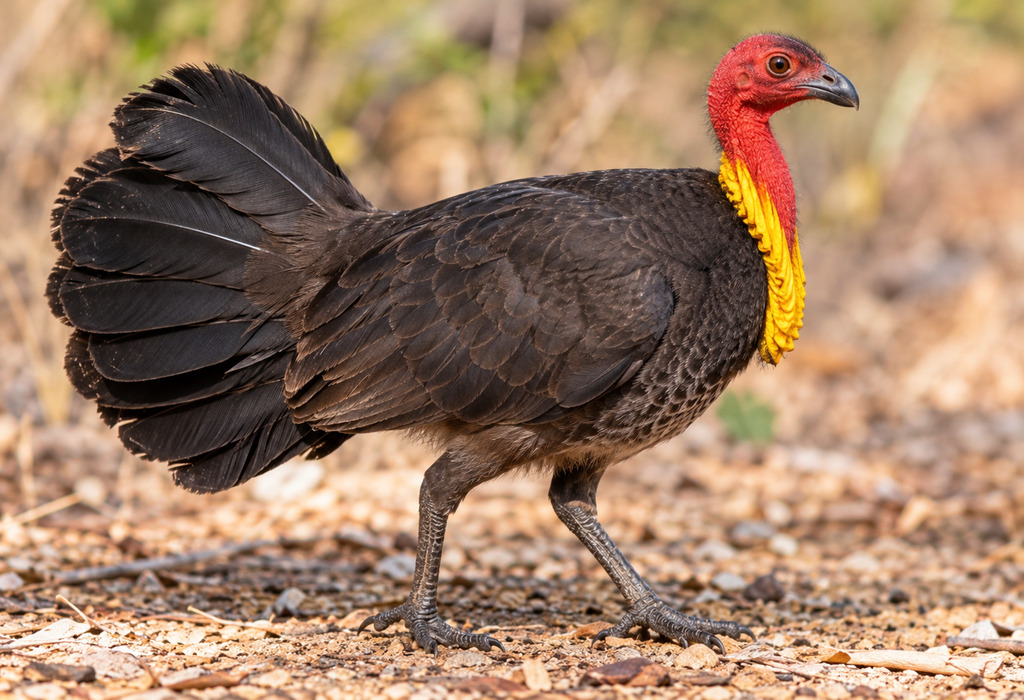
Scientific Name – Xema sabini
Type of Animal – Bird
Where They Live – Arctic in summer, oceans further south in winter
Fun Facts
- Its forked tail makes it easy to spot in flight.
- It travels thousands of miles during migration.
9. Xerces Blue Butterfly
The Xerces Blue Butterfly was a shimmering blue insect that once fluttered around sandy coastal hills.
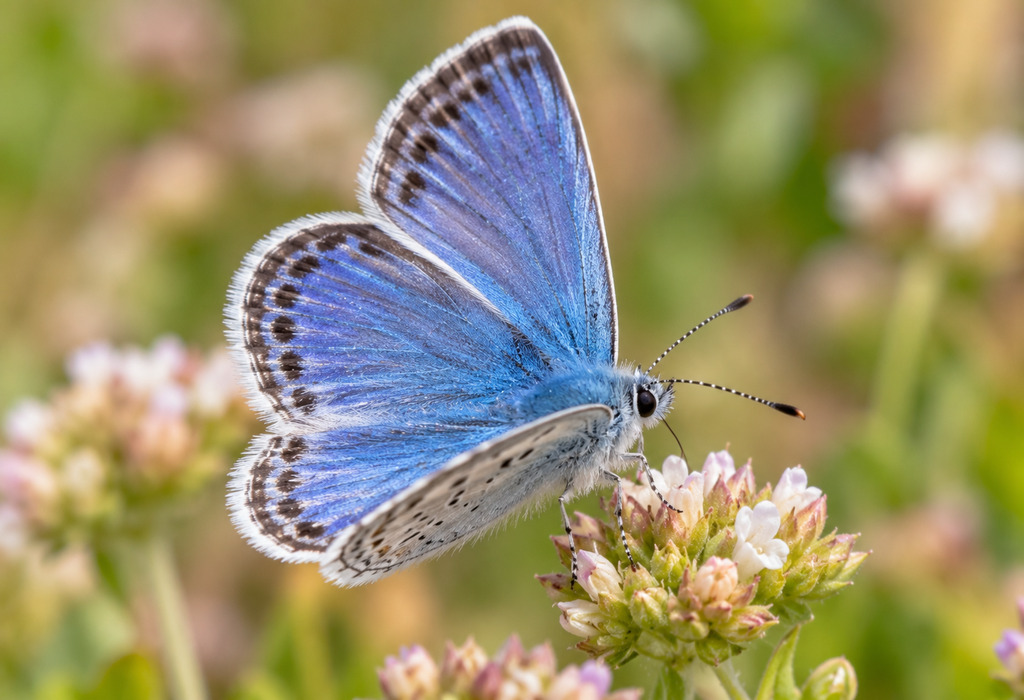
Scientific Name – Glaucopsyche xerces
Type of Animal – Insect (extinct)
Where They Live – Formerly San Francisco, California
Fun Facts
- It was the first butterfly in the U.S. known to disappear because of humans.
- Its wings had a bright, sparkling blue color.
10. Xami Hairstreak
The Xami Hairstreak is a small butterfly with delicate, patterned wings that blend into rocky habitats.
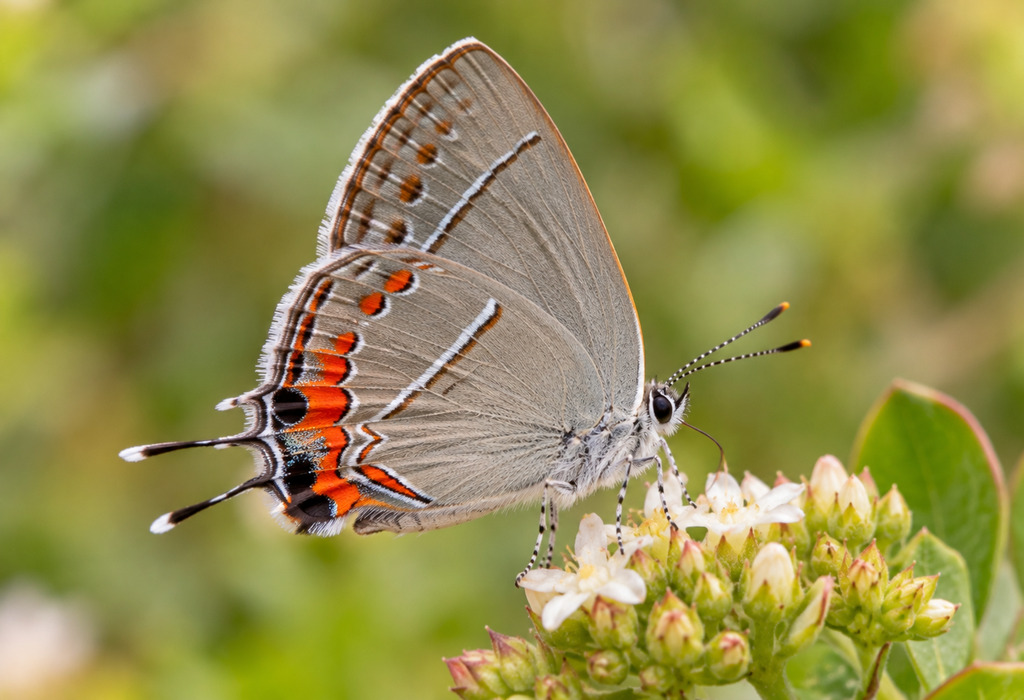
Scientific Name – Callophrys xami
Type of Animal – Insect
Where They Live – Mexico and the southwestern United States
Fun Facts
- It often rests on succulent plants like stonecrop.
- Its wings have fine, streaky lines for camouflage.
11. Xantus’s Leaf-Toed Gecko
This gecko is a small lizard with special toe pads that help it grip smooth surfaces.
Scientific Name – Phyllodactylus xanti
Type of Animal – Reptile
Where They Live – Baja California Peninsula, Mexico
Fun Facts
- It is mostly active at night.
- Its sticky toe pads let it climb rocks easily.
12. Xantus’s Swimming Crab
Xantus’s Swimming Crab is a small crustacean with flattened back legs built for paddling through water.
Scientific Name – Portunus xantusii
Type of Animal – Crustacean
Where They Live – Pacific coastal waters of Mexico and California
Fun Facts
- Its paddle-shaped legs make it a strong swimmer.
- It scuttles sideways along the sandy seafloor.
13. Xanthippe’s Shrew
Xanthippe’s Shrew is a tiny, fast-moving mammal that spends most of its time hunting insects.
Scientific Name – Crocidura xantippe
Type of Animal – Mammal
Where They Live – East Africa
Fun Facts
- It has a very high metabolism and eats often.
- Its pointed snout helps it sniff out hidden bugs.
14. Xanthic Sargo
The Xanthic Sargo is a striped fish often seen swimming in schools near rocky shorelines.
Scientific Name – Anisotremus interruptus
Type of Animal – Fish
Where They Live – Eastern Pacific coastal waters
Fun Facts
- It often gathers in large schools for safety.
- Young sargo look quite different in color from adults.
15. Xavier’s Greenbul
Xavier’s Greenbul is a small, olive-green songbird that lives quietly in dense forest cover.
Scientific Name – Phyllastrephus xavieri
Type of Animal – Bird
Where They Live – Central African rainforests
Fun Facts
- Its green feathers help it hide among leaves.
- It is named after a French naturalist.
16. Xylophanes Hawk Moth
The Xylophanes Hawk Moth is a fast-flying moth with a long tongue for reaching deep flowers.
Scientific Name – Xylophanes (genus)
Type of Animal – Insect
Where They Live – Tropical regions of the Americas
Fun Facts
- It can hover in front of flowers like a hummingbird.
- Its caterpillar has a curved horn on its tail.
17. Xylocopa Carpenter Bee
The Xylocopa Carpenter Bee is a large, buzzing bee that chews tunnels into wood to nest.
Scientific Name – Xylocopa (genus)
Type of Animal – Insect
Where They Live – Warm regions worldwide
Fun Facts
- It carves nest tunnels using its strong jaws.
- Males often hover near nests but cannot sting.
18. Xylotrupes Rhinoceros Beetle
This beetle is famous for the large, curved horn males use to wrestle rivals.
Scientific Name – Xylotrupes (genus)
Type of Animal – Insect
Where They Live – Southeast Asia and Australia
Fun Facts
- It can lift objects many times its own body weight.
- Males use their horns to flip opponents over.
19. Xenopeltis Sunbeam Snake
The Sunbeam Snake gets its name from the rainbow shimmer of its smooth, glossy scales.
Scientific Name – Xenopeltis (genus)
Type of Animal – Reptile
Where They Live – Southeast Asia
Fun Facts
- Its scales reflect light like a rainbow in the sun.
- It spends most of its time burrowing underground.
20. Xenagama Lizard
The Xenagama is a small, spiky lizard known for the odd fan-shaped tail of the male.
Scientific Name – Xenagama (genus)
Type of Animal – Reptile
Where They Live – Dry regions of East Africa
Fun Facts
- Males raise their strange tail to attract mates.
- It is well adapted to hot, rocky habitats.
21. Xenosaurus (Knob-Scaled Lizard)
The Knob-Scaled Lizard has bumpy, armor-like skin and prefers hiding in rocky crevices.
Scientific Name – Xenosaurus (genus)
Type of Animal – Reptile
Where They Live – Mexico and Central America
Fun Facts
- It rarely leaves the safety of narrow rock cracks.
- Its bumpy scales help it blend into stone.
22. Xiphias (Swordfish)
The Swordfish is a powerful ocean hunter with a long, flat bill shaped like a sword.
Scientific Name – Xiphias gladius
Type of Animal – Fish
Where They Live – Warm and temperate oceans worldwide
Fun Facts
- It can swim in short bursts of very high speed.
- It uses its sword-like bill to stun smaller fish.
23. Xiphosura (Horseshoe Crab)
The Horseshoe Crab is an ancient sea creature with a hard, rounded shell and a long tail spike.
Scientific Name – Xiphosura (order)
Type of Animal – Marine arthropod
Where They Live – Shallow coastal waters worldwide
Fun Facts
- It has survived on Earth for hundreds of millions of years.
- Its blood is blue instead of red.
24. Xingu River Ray
The Xingu River Ray is a freshwater stingray with a beautiful, patterned disc-shaped body.
Scientific Name – Potamotrygon leopoldi
Type of Animal – Fish
Where They Live – Xingu River, Brazil
Fun Facts
- Its bold black-and-white spots make it easy to identify.
- It buries itself in sand to hide from predators.
25. Xingu Corydoras
The Xingu Corydoras is a small, armored catfish popular with fish keepers everywhere.
Scientific Name – Corydoras xinguensis
Type of Animal – Fish
Where They Live – Xingu River basin, Brazil
Fun Facts
- Bony plates on its body act like a suit of armor.
- It often feeds by sifting through sand for food.
26. Xolmis (White Monjita)
The White Monjita is a pale, upright-perching bird often seen watching from open fields.
Scientific Name – Xolmis irupero
Type of Animal – Bird
Where They Live – Grasslands of South America
Fun Facts
- It hunts insects by swooping from a perch.
- Its almost all-white feathers make it stand out.
27. Xenoglaux (Long-Whiskered Owlet)
This owlet is one of the smallest owls in the world, with odd whisker-like feathers on its face.
Scientific Name – Xenoglaux loweryi
Type of Animal – Bird
Where They Live – Cloud forests of Peru
Fun Facts
- It is smaller than a person’s hand.
- It was only discovered by scientists in 1976.
28. Xenopirostris (Lafresnaye’s Vanga)
This vanga is a forest bird with a strong, hooked bill built for cracking open prey.
Scientific Name – Xenopirostris xenopirostris
Type of Animal – Bird
Where They Live – Madagascar
Fun Facts
- Its unusual bill shape helps it grab hidden insects.
- It is found nowhere else on Earth except Madagascar.
29. Xantusia (Desert Night Lizard)
The Desert Night Lizard is a small, secretive lizard that hides beneath logs and rocks by day.
Scientific Name – Xantusia (genus)
Type of Animal – Reptile
Where They Live – Deserts of the southwestern United States
Fun Facts
- It gives birth to live young instead of laying eggs.
- It is most active after the sun goes down.
30. Xuthus Swallowtail
The Xuthus Swallowtail is a large, colorful butterfly with striking yellow and black wing patterns.
Scientific Name – Papilio xuthus
Type of Animal – Insect
Where They Live – East Asia
Fun Facts
- Its caterpillars feed on citrus tree leaves.
- Its wings can span nearly four inches wide.
31. Xenopoecilus (Buntingi Fish)
The Buntingi Fish is a small, colorful freshwater fish found only in one part of the world.
Scientific Name – Xenopoecilus (genus)
Type of Animal – Fish
Where They Live – Lake Poso, Sulawesi, Indonesia
Fun Facts
- It lives in only one lake on Earth.
- Males often display brighter colors than females.
32. Xinjiang Ground Jay
The Xinjiang Ground Jay is a desert bird that prefers running across sand to flying.
Scientific Name – Podoces biddulphi
Type of Animal – Bird
Where They Live – Deserts of Xinjiang, China
Fun Facts
- It runs swiftly across sand dunes to escape danger.
- It buries seeds to eat later, like a squirrel.
33. Xenacanthus
Xenacanthus was an ancient, eel-shaped shark that swam in rivers long before the dinosaurs.
Scientific Name – Xenacanthus (genus)
Type of Animal – Fish (extinct)
Where They Live – Formerly freshwater rivers worldwide
Fun Facts
- It had a spine sticking out from the back of its head.
- It lived over 200 million years ago.
34. Xiphactinus
Xiphactinus was a giant, fierce fish that once hunted in ancient prehistoric seas.
Scientific Name – Xiphactinus (genus)
Type of Animal – Fish (extinct)
Where They Live – Formerly ancient oceans, now fossils found worldwide
Fun Facts
- It could grow longer than a school bus is wide.
- Fossils show it sometimes swallowed prey whole.
35. Xenoceratops
Xenoceratops was a horned dinosaur that used its bony frill and horns for protection.
Scientific Name – Xenoceratops foremostensis
Type of Animal – Dinosaur (extinct)
Where They Live – Formerly Alberta, Canada
Fun Facts
- It had large horns above its eyes for defense.
- Its name means “alien horned face.”
36. Xiaotingia
Xiaotingia was a small, feathered dinosaur closely related to the very first birds.
Scientific Name – Xiaotingia zhengi
Type of Animal – Dinosaur (extinct)
Where They Live – Formerly northeastern China
Fun Facts
- It was covered in feathers, much like a bird.
- It was about the size of a chicken.
37. Xenorhina Frog
The Xenorhina is a small, burrowing frog with a pointed snout used for digging.
Scientific Name – Xenorhina (genus)
Type of Animal – Amphibian
Where They Live – New Guinea rainforests
Fun Facts
- It spends most of its life underground.
- It calls from hidden burrows instead of open water.
38. Xanthocephalus (Yellow-Headed Blackbird)
The Yellow-Headed Blackbird is a striking marsh bird with a bright yellow head and chest.
Scientific Name – Xanthocephalus xanthocephalus
Type of Animal – Bird
Where They Live – Wetlands of North America
Fun Facts
- Males use loud, harsh calls to defend their territory.
- Large flocks often nest together in cattail marshes.
39. Xenotilapia
Xenotilapia is a small, sand-dwelling cichlid fish known for its gentle, social behavior.
Scientific Name – Xenotilapia (genus)
Type of Animal – Fish
Where They Live – Lake Tanganyika, Africa
Fun Facts
- Parents carry their eggs safely inside their mouths.
- It feeds by sifting tiny food from sandy lake floors.
40. Xylotrechus Longhorn Beetle
This beetle has extra-long antennae and colorful bands across its narrow body.
Scientific Name – Xylotrechus (genus)
Type of Animal – Insect
Where They Live – Forests across the Northern Hemisphere
Fun Facts
- Its antennae can be longer than its whole body.
- Its larvae tunnel through wood as they grow.
From tiny frogs to ancient dinosaurs, this list proves that even a tricky letter like X hides plenty of wonderful creatures to discover. Children exploring the alphabet will find that every animal name start with alphabet x tells its own unique story, whether it swims, flies, crawls, or once roamed the Earth millions of years ago. Learning these names is a fun way to build vocabulary while sparking curiosity about the natural world. With 40 examples to explore, there is plenty here to keep young animal lovers entertained and learning for a long time.
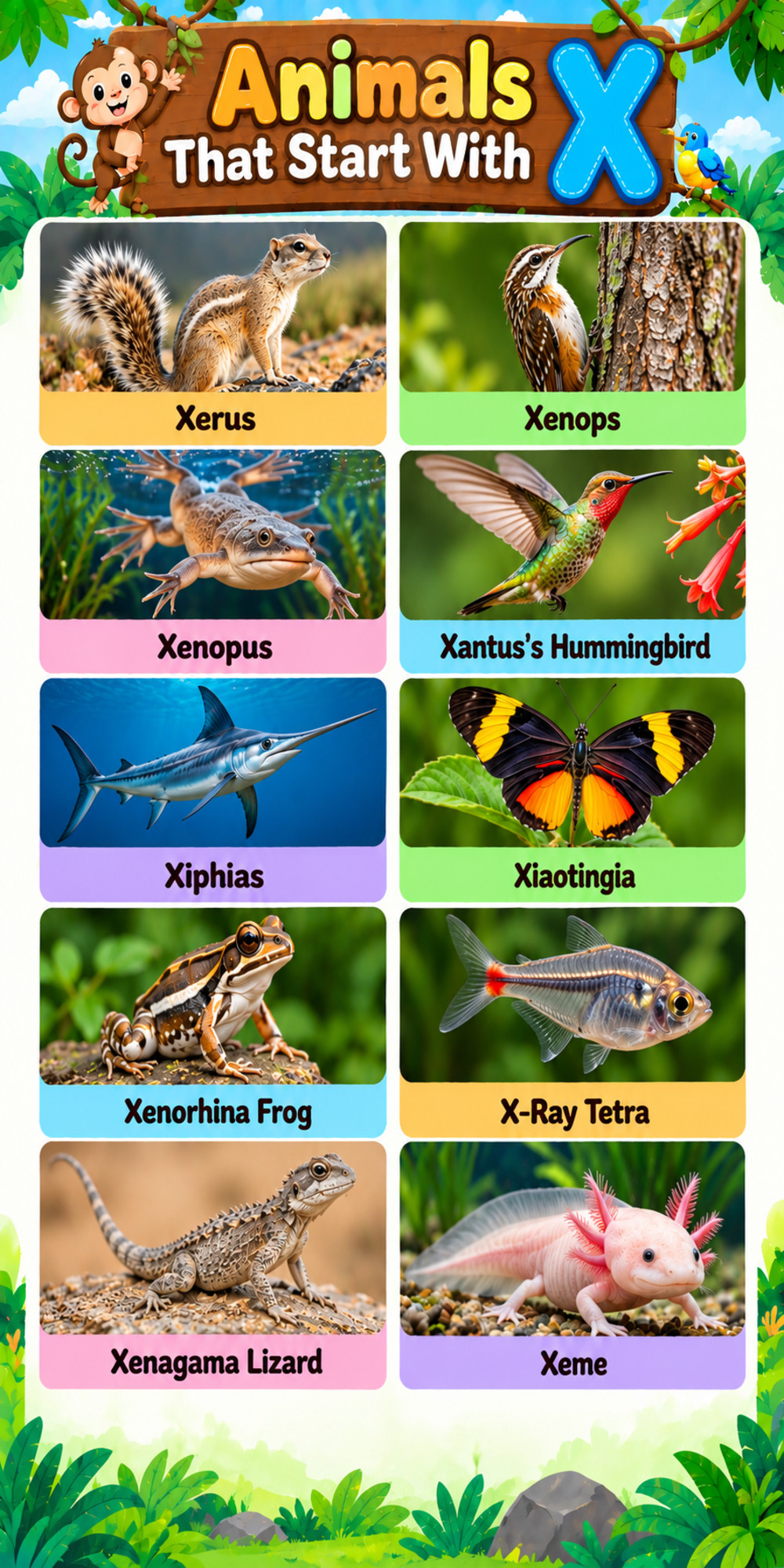
Infographic – Animals Starting With Letter X
Also Read: Animals That Begin With Letter A to Z